Man of Stone
Man of Stone is a photographic project - tribute to humanity's enduring relationship with nature, spanning from prehistoric times to the present day. This connection, initially driven by the need for survival, evolved through imagination and creativity. Stone and wood served as the primary materials for crafting tools, building shelters, and creating structures that supported sustainable living for thousands of years.
In modern times, reconnecting with nature is equally vital—not just for physical survival but for mental and spiritual well-being. By embracing this awareness, individuals can rediscover the forms and textures of nature, sparking imagination and enhancing their perception of the world. When imagination leads to action, life can transform through new choices and sustainable ways of living.
The Artists
The photographs represent a creative dialogue between photographer Dimitris Vlaikos and sculptor Panayiotis Marinis. Marinis, a master craftsman and the last traditional sculptor of his kind, carves ancient tools as objects of art. Using only natural materials sourced near his home, he applies the same methods and techniques employed by his ancestors 30,000 years ago. His work is a living testament to history, bridging the past and present.
In addition to still-life photographs of Marinis's tools, the collaboration took Vlaikos and Marinis to the hills of their shared homeland, Aegina Island. There, they explored and documented the enduring stone footprints left by their ancestors—a profound connection between history and the land.


Greek shipping Gastronomy For Gastronomos Magazine Cover
A cover of an tribute to the hidden heart of Greek shipping: its gastronomy for Gastronomos Magazine of Kathimerini News.
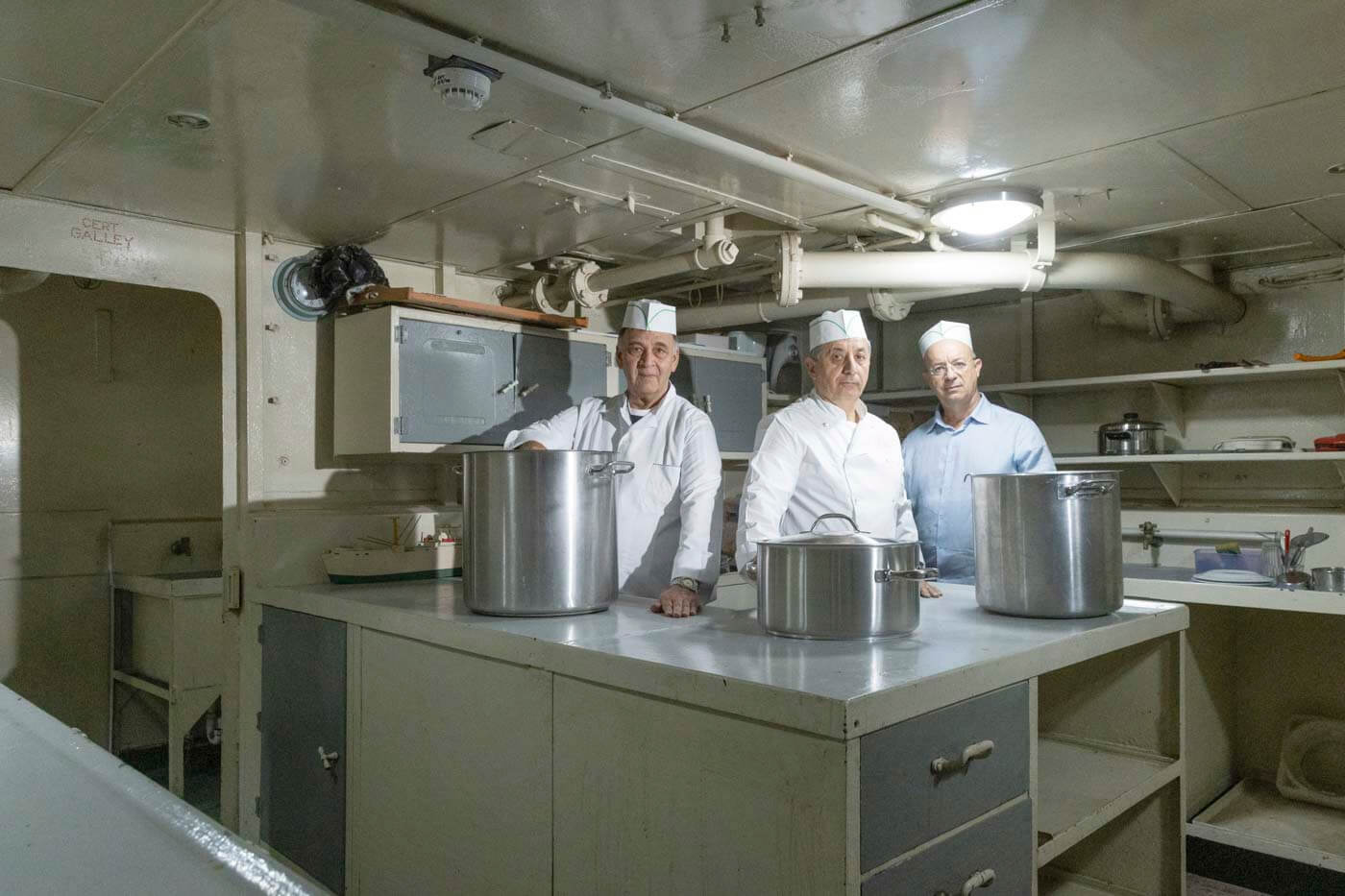
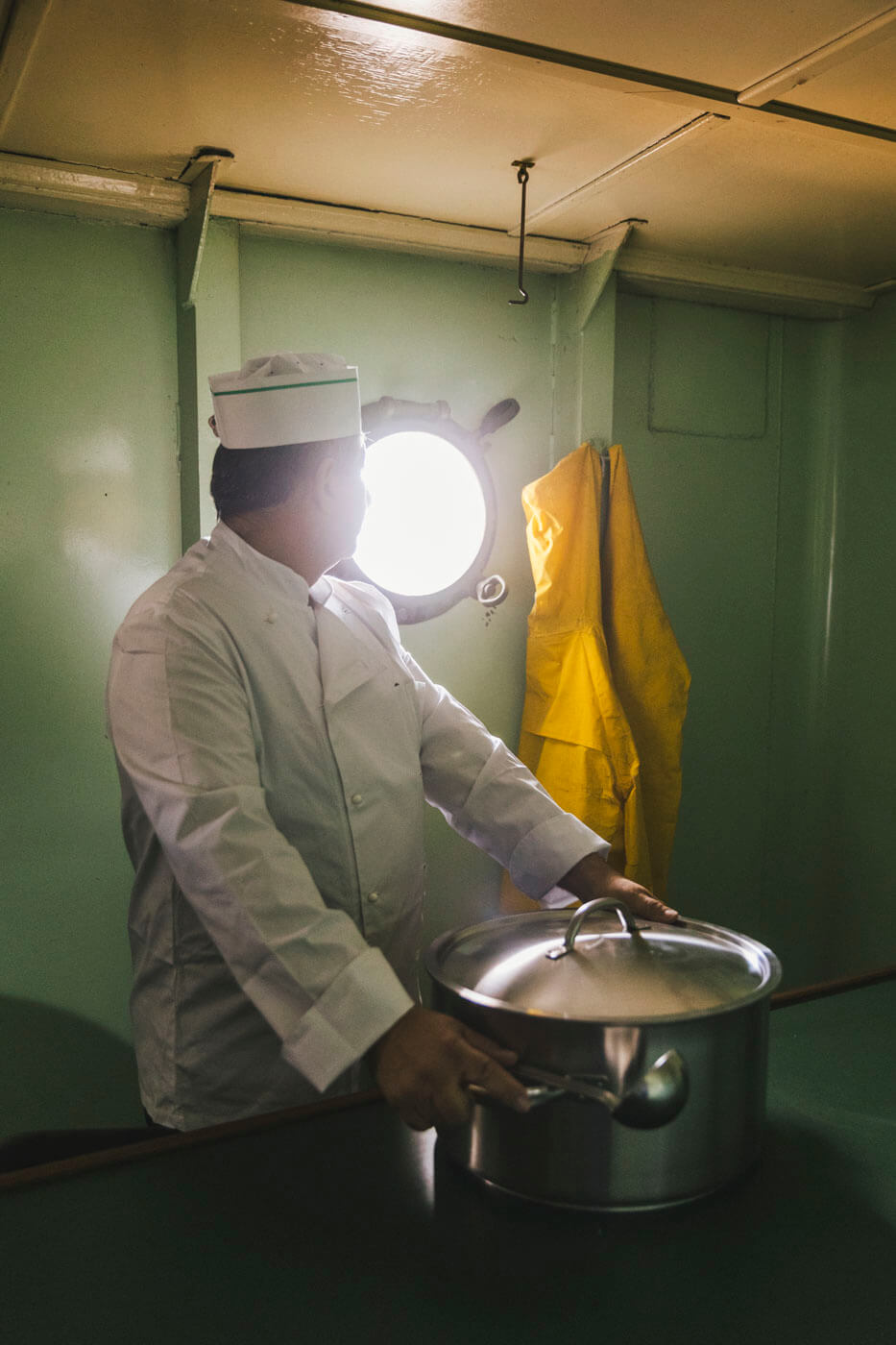
An entire tribute to the hidden heart of Greek shipping: its gastronomy. Through the eyes and stories of veteran and active ship cooks, we glimpse the joy, resilience, and camaraderie forged in the ship's kitchens. These cooks, from the legendary ocean liners to the ocean-going 'trucks' of Greek shipping, reveal how the well-being of every crew member starts from the stomach. Photographed at the historic Liberty floating museum, this homage connects us to the most legendary vessel of Greece’s post-war commercial fleet and to the generations whose strength lay in each meal shared at sea.
Story inspired by the chief editor Angelos Rentoulas
Text By Vivi Konstantinidou
Assist Antonis Kavouris


Stainless Steel Griddle Production for Gastronomos
Behind the Scenes: Capturing the Craftsmanship of Greek Steel Cooking Utensils for Gastronomos Magazine
I recently had the privilege of collaborating with Gastronomos magazine to document the intricate process behind creating one of the most essential tools in traditional Greek cooking—the Stainless Steel Griddle. This classic piece of cookware holds a special place in Greek gastronomy, and my goal was to capture the artistry and craftsmanship that go into its making in Athens.
The photoshoot spanned three historic machinery workshops in Athens, each with its own unique expertise. At Machinery Workshop Pascalidis, I observed master artisans shaping the raw materials with precision and care. Over at Machinery Workshop Kotzamanoglou, the focus shifted to the delicate balance between traditional methods and modern machinery, where every piece is crafted to perfection. Finally, at Machinery Workshop Sfiga, the final touches were added, showcasing the skill and attention to detail that make these steel utensils stand out.
The experience provided a fascinating glimpse into the world of Greek steel cooking utensils, revealing the dedication and craftsmanship behind these everyday kitchen tools. A big thank you to Gastronomos Magazine for the opportunity to be part of this unique project.
"What is the history of the stainless steel griddle and what is its role in Greek life? What pan do we choose for our roasts? copper, ceramic, aluminum, enamel or cast iron? Where will we cook our old copper utensils and where will we order new ones? What is tin and why is it the ideal pie stainless steel griddle? In the September issue, Gastronomos examines the subject of "Tapsi" from all sides, customary, cultural and culinary, and collects 60 incredible recipes for the best baked family and holiday meals.
Each place and its stainless steel griddle
We have collected the best recipes of the stainless steel griddle, from every corner of Greece, from the Caspian lamb of Lemnos and the continental chicken with rice, to the exuberant pasha macarouna, the kleftiko of Roumeli and the Kalamatian pork poula.
Filled, turlou or juvetsi?
Do we bake juveccia with couscous, noodles, macaroni or with classic barley? We learn what juvetsi is, why they call it that and what is its ideal vessel. We stuff peppers, tomatoes, eggplants, flowers and onions and present the most beautiful stuffings of Greek cuisine.
We travel back in time to find out where he got his hat from, what his name means and we recommend incredible turlous with fish, pulses, octopus.
The nicest Sundays need a roasting stainless steel griddle.
Is it Sunday dinner without chicken in the oven with potatoes? Without a honeyed moussaka, pastiche or without a leg of lamb with seared skin? If you think about it, our best Sunday meals are baked in the oven!
Pan Sweets: Dips in Syrup
Doughs and syrupy sheets, honeyed sweet pies and milky desserts, all in the pan and all delicious and aromatic.
And as always: Recipe of the Month – We return refreshed and rested and set the daily table with the best and freshest September products.
The September "Gastronomos" is released on Sunday, September 8, with "Kathimerini".


Stavros Psilakis
Recently had the pleasure of photographing Stavros Psilakis, an economist and performer who seamlessly blends intellect with artistry. Capturing his dual persona in a single headshot image was a creative challenge—merging the precision of his profession with the expressive depth of his performance.


Dimitris Papadimitriou
With the title "Cooking is inner prayer", Gastronomos magazine, host the interview of the composer Dimitris Papadimitriou for the August issue. His portrait photography took place at his home accompanied with the great taste of his recipes and an interesting conversation about his music experiences.
Music for cinema, theater and television, symphonic works, pioneering actions and vision. The composer Dimitris Papadimitriou It is still thirsty, after forty years of creation, and quenches the thirst of its recipients. With its prestige and consistent attitude, it brings together artists and people with similar concerns, at the same time giving a step to younger people to show their talents. He is steeped in our popular wealth, he owns its secrets and peculiarities, he knows deeply the ways and places of his libation. His folk songs have his "academic" aura, but they are not ossified, that is why they were sung, loved, they were even danced by the crowd, and most importantly, they stayed!
Quiet strength. It has a "plan", earthly, but also transcendental at the same time. Global, cosmopolitan, that is to say "Greek". He becomes a heretic to forge new paths, he becomes a "wrecker" to flatten swampy stereotypes and build new bridges. He loves cooking and has even received professional offers for his performance. So, my invitation for a culinary interview in a meal at his house. Dimitris Papadimitriou is a hospitable host. The space is similar to his work, flooded with unique art objects, some of which have family roots.
Text by Kostas Balachoutis
Dimitris Papadimitriou has written symphonic works, pieces for solo instruments and combinations of instruments, music for theater and for Greek cinema (Electric Angel, Revenge, Archangel of Passion, The Tree We Hurt, Victory of Samothrace, Lovers in the Time Machine, The Life One and a Half Thousand, The Light Going Out etc.), for Greek television and for television series in Sweden, France, Germany and elsewhere. The general public discovered him because of television.
Known from the beginning of the 1980s until today for his fine compositions, several of which dressed up well-known television hits (such as Anastasia by Giorgos Kordellas in a script by Mirela Papaikonomou, Don't Be Afraid of Fire, Due to Honor, Life which I did not live, Leni and the Witches of Smyrna), Dimitris Papadimitriou has also collaborated with Eleftheria Arvanitaki in a cycle of songs with the general title Songs for the Months, where he set well-known Greek poets to music.
In 2003 he took over as director of the Third Program and in September 2010 general director of Hellenic Radio[5]. Busy but versatile, after his long-term presence in the administration of ERT radio, he founded the Greek Project, a non-profit organization for the promotion of Greek and not only music[6]. In 2006 he gave a concert in the General Assembly Hall of the United Nations Organization on the occasion of the organization's 60th birthday. He was born in Alexandria, Egypt in 1958.
Grande Bretagne Magazine Cover
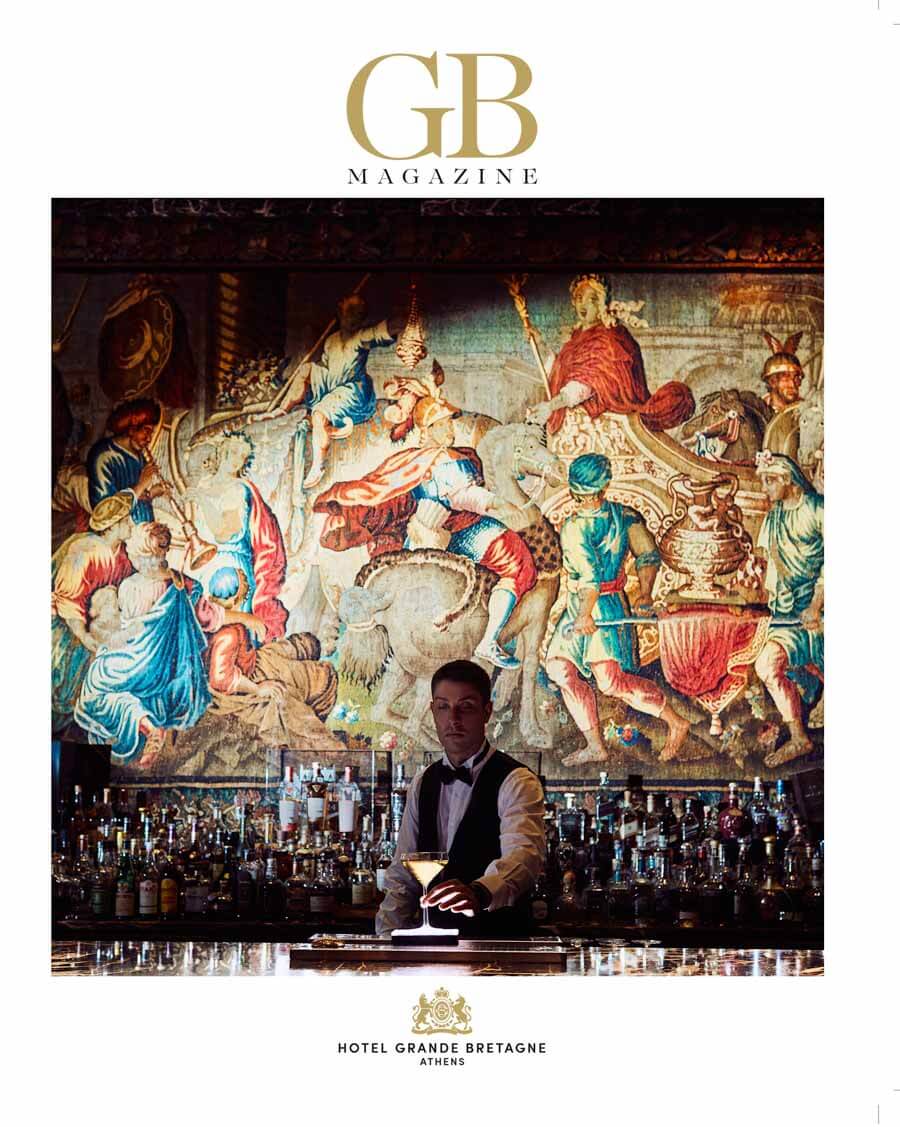
In the imposing Alexander's Bar voted as the Best Hotel Bar in the world by Forbes magazine, the choice of drinks will impress even the most demanding connoisseur. The bar offers a wide range of unique spirits, skilled bartenders and friendly waitresses, while the rare 18th century handmade tapestry that hangs above the bar depicts Alexander the Greats entrance into Gavgamila, and is one of the oldest trademark items in the Hotel.
I took this portrait photograph of the bartender in front of the magnificent handmade backround of the bar. More magazine covers..

Domaine Hatzimichalis Wine Campaign
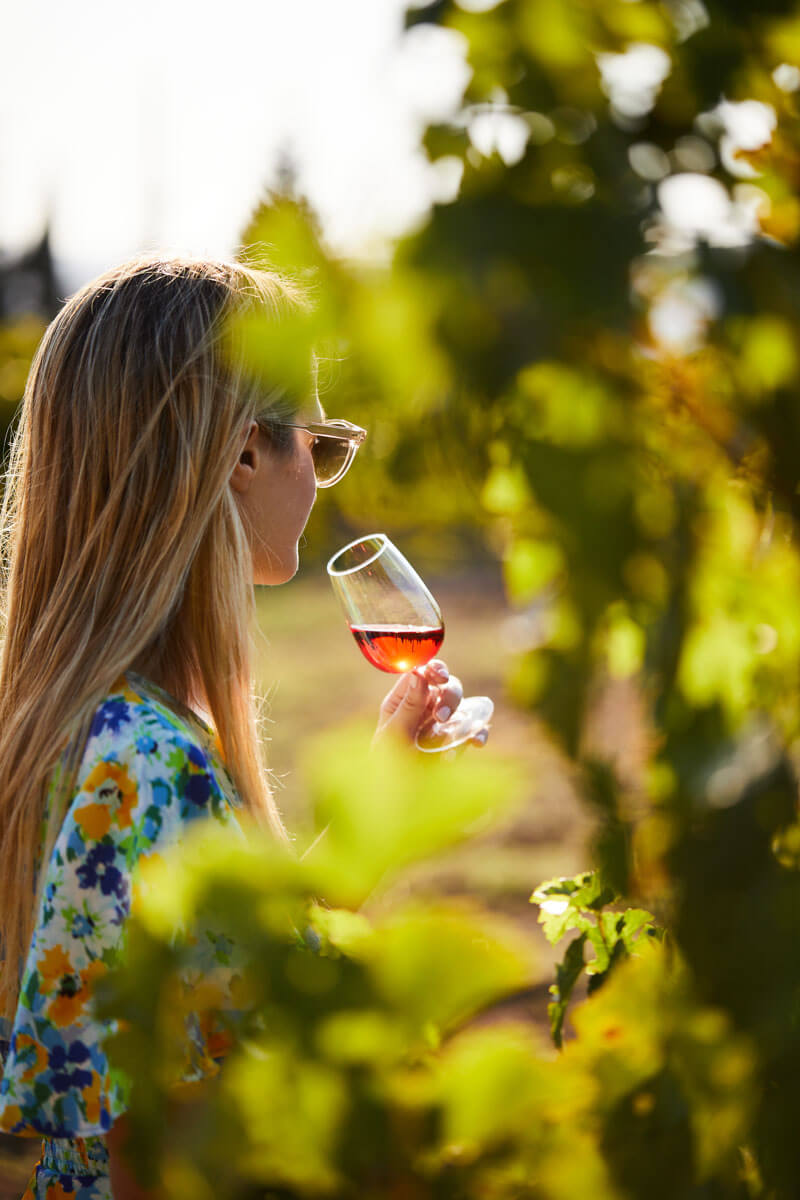
With all the support from Leonidas and Panagiotis Hatzimichalis, I followed the wine route in Domaine Hatzimichalis for this greek wine photography campaign. From the Valley of Atalanti, the vineyards, its grounds and the winery until bottling. Every space the human element turns it into a space of creation and defines it. The richness of the natural environment, the value and respect of the ecosystem are highlighted. In this campaign I felt that I followed and captured the steps of our ancestors, from the past to the present.
The producer Dimitris Hatzimichalis is the creator. He is the one who determines the entire production process. He is the one who takes care of quality in all its stages. He is the one who envisions, who chooses, who evolves, always with the aim of the taste, the aroma and the perfect experience of a wine. He made his first wine in his backyard at the age of 19 and several decades later he had excelled the process and became one of the top wine makers in Greece. When Dimitris Hatzimichalis first visited Atalanti Valley he was amazed by its unique ecosystem and fertile land; without second thoughts he bought his first vine hectares in 1973. Today, his privately owned vineyards have reached 220 hectares (520 acres).
In the wine photography process, Hatzimichalis family ties emerge through the relationship with the land, cultivation, passing of wine philosophy from generation to generation. The man who envisioned and made winemaking a reality in the Koilada Atalanti Dimitris Hatzimichalis and now his sons, Leonidas and Panagiotis, welcome a new look and all together continue the tradition and expand its borders. Both of them are passionately contributing to the family business with their modern mindsets. They work hard to keep the tradition of the winery and maintain their father’s legacy. Their vision, is to expand the brand further and enter in new markets abroad. Lastly, their mission for the winery is to make it even more environmentally sustainable, by reducing wastes, energy/water consumption and by using recyclable materials.
Every year at Domaine Hatzimichalis, the harvest and pruning periods are performed by a group of skillful and experienced women. This was a deliberate choice, as Greek women are known for their caring, patient, and tender character, in addition to their overall courage and strength. These women are who Domaine Hatzimichalis trusts in our tradition of hard work. Dimitris Hatzimichalis always been amazed and inspired by their care for the vineyards, which is essential for the quality of the wines and the brand’s success.
The photography campaign will accompany brand's ads worldwide, exhibitions walls, press releases and magazines presentations.




Paris Sigalas Winery for Oinochoos

Let There Be Light
Interview By Alexia Amvrazi | July 21st, 2022 about MYRMIΔΟNES to Greece-is.com
In an ode to his native island of Aegina, the photographer talks to Greece Is about its people, its light, and the experiences that shaped his book.
It took 20 years and over 2000 photos for Dimitris Vlaikos to decide it was time to place the soul of his work into the body of a beautiful hard-cover coffee table book that could grace homes around the world.
Titled “Myrmidones” after the name given to the inhabitants of his native Aegina (the introduction aptly explains the various possibilities of where the name originates), the book is composed of images depicting an extraordinary blend of local characters, landscapes and everyday details. The book is mostly anthropocentric, because Vlaikos has honed the art of capturing his subjects’ personal essence without guidance, a talent that has gained him a great reputation as a portrait artist and numerous assignments to photograph well known personalities.
Leafing through the book was a deeply touching experience. The way in which the photographer has captured the essence of his subjects – human or not – makes it an ode of sorts to his home island, rich in emotion, but characterized by stark realism.
Vlaikos spends half of the year in Aegina, chiefly during the summer months, and the rest of his time travels to and fro between various work projects. By creating this book, it seems as if he has established an unbreakable bond with the Saronic island’s people, land and elements, regardless of where he finds himself.
It’s apparent by looking at your book that you harbor a great love for your island.
There are amazing people living there, and it is multifaceted in a way that I’ve rarely witnessed elsewhere. Also, what I love about Aegina is that you can be sitting at a café where there’s a minister drinking coffee and at the table next to him, a fisherman – and the waiter will treat each of them with the same courtesy – or the same rudeness! Some people have described the island as ataxic. You feel and see that.
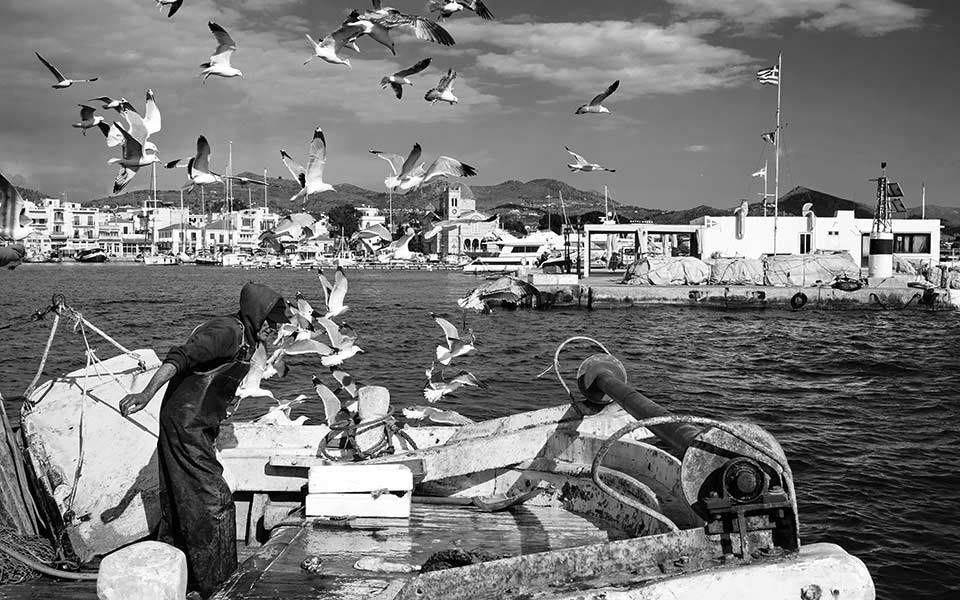
I think that has a lot to do with the fact that most of the island is flat – so all houses are on the same level, and everyone has the same access and right to light. It’s the same with the sea. There aren’t some beaches that are more exclusive than others, anyone can go to any beach, or rock, and swim. Overall, Aegina seems to bring out a life force in people, and if you’re the kind of person that wants to evolve, it offers you that possibility.”
How did the book project evolve?
The Myrmidones reached a very high level of civilization in antiquity thanks to the elements of their land – the rock, the light, the sea, the raw materials, their drive to create. And until today, these elements remain essentially the same. So the book was my way of juxtaposing the Myrmidones of the past with those of today.
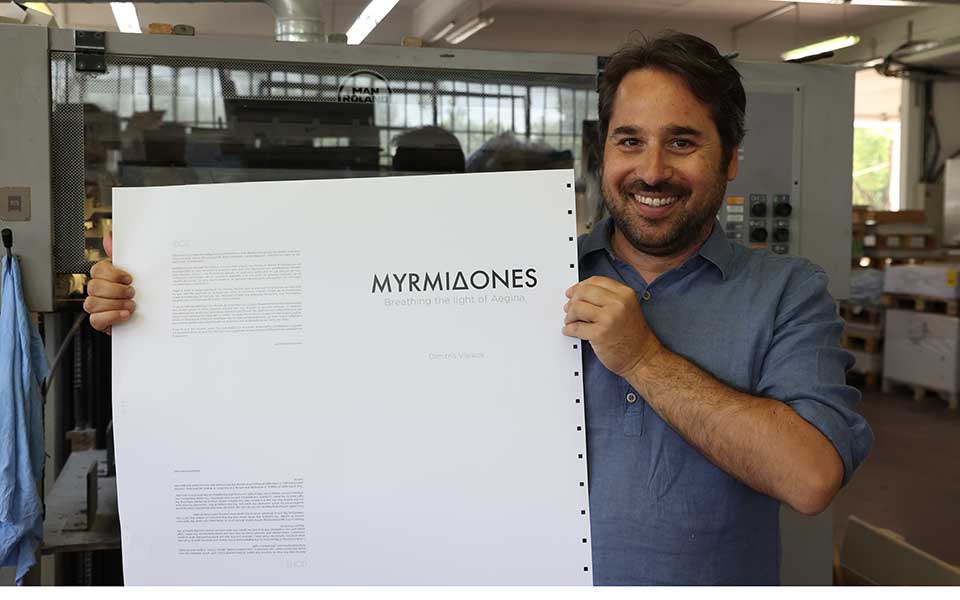
I also wanted to create a book that is like an art object, a beautiful memento to have in one’s house. I put a lot of care into every aspect – including the use of only black ink, which is very rare. I collaborated with a very good friend, the graphic artist Dimitris Makaratzis, who created the cover, as well as Despina Giannouli, who wrote the texts (in Greek and English) and is my wife and writes and directs theatre plays. My professor Vasilis Artikos, whose exhibition “In drum and dance at the rock-cut churches of Lalibela” is currently on show the Byzantine and Christian Museum in Athens, provided much advice and support, as well as other close friends.
How does the light of Aegina and influence your work?
In my research, I centered on the various elements of light. [In the book, Despoina Giannouli writes: “Thanks to the geomorphology of the island, almost all of its inhabitants can savor the light from sunrise to sunset. The paspara, the white stone and the fine-grained soil reflect the sun’s rays intensifying the colors of nature.”]
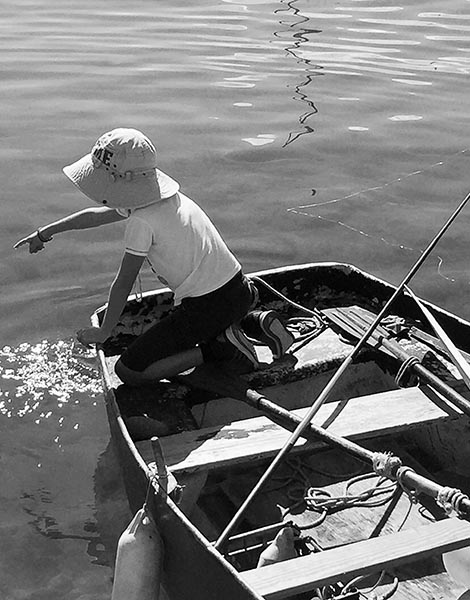
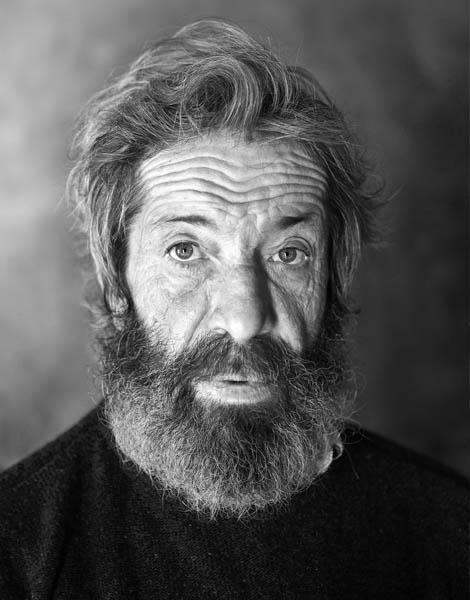
It’s not by chance that Nikos Kazantzakis lived there for 20-30 years, or Giannis Moralis, for most of his life, or Christos Kapralos, or the poet Katerina Anghelaki-Rooke, and they all produced their work there – it wasn’t their place for holidays but for creative work. And today the island is home to over 100 artists, so this land, and especially its light has something special that has drawn so many creators from antiquity until the present day. Light is my tool, it’s what made me want to evolve my art.
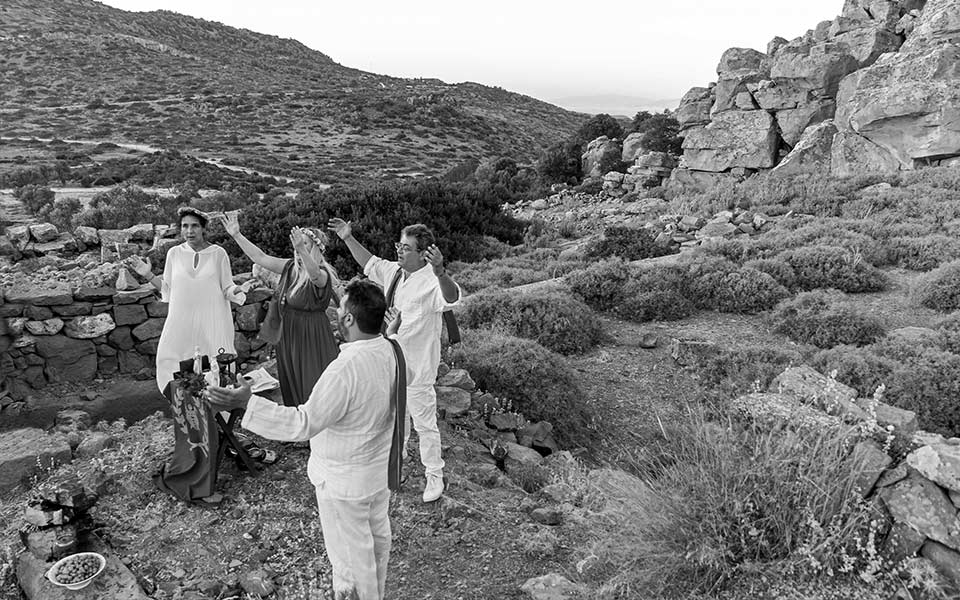
Apart from light, what do you feel are the other strong elements that inspired this work?
I think the energy of the land plays a significant role, but that’s not something that I can define with words. In the book’s introduction to the origin of the name Myrmidones, one of the ways they’re defined is that they were “the people of the “myriad vibrations,” as Aegina was considered to be a region of strong and sacred energy vibrations, a place fertile for spiritual development.
How did you put the book together?
An important part of this book is the rhythm one follows as one turns the pages. I wanted it to create in the viewer a musical rhythm, a transition from image to image through a story of sorts, like a journey.
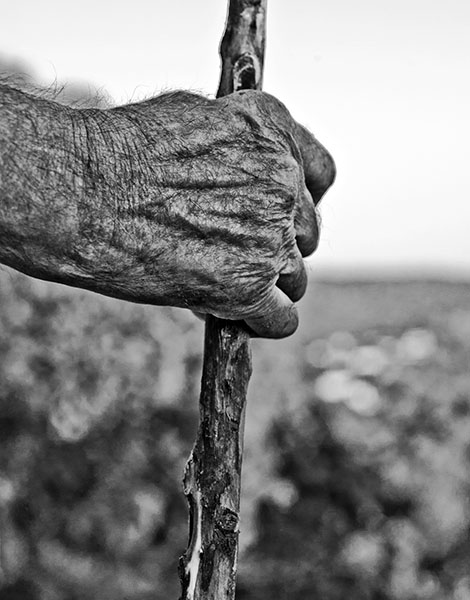 Hand of a farmer, Mesagros. © Dimitris Vlaikos / "Myrmidones" book cover. © Dimitris Vlaikos
What will become of the rest of the photos you’ve taken?
They will remain in my archives, and maybe I’ll use them in future. I have a space in my studio/gallery space in Aegina where, upon appointment, one can come and see exhibits.

Central distribution of “Myrmidones” is at “Lixnari Aegina” Bookstore. E-mail: lixnari@otenet.gr. Tel: +30 22970 26424. Shipments are made throughout Greece and abroad.
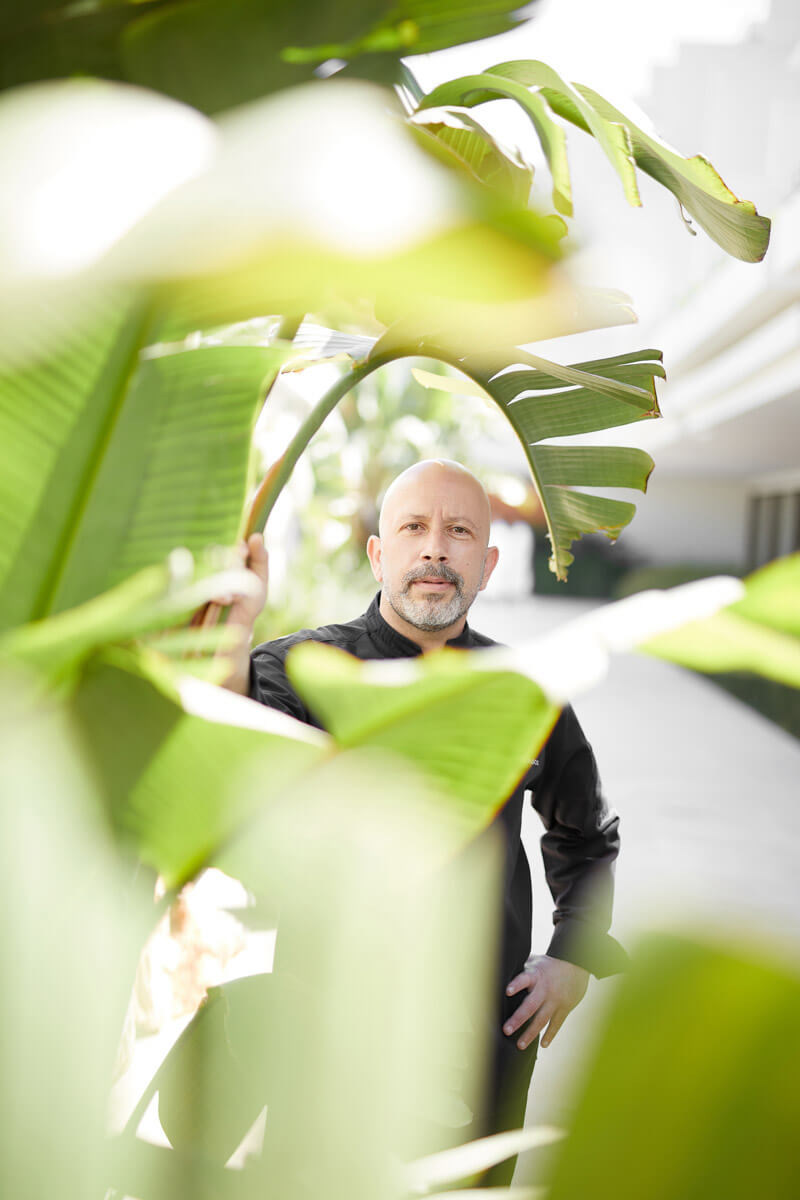
Four Seasons Athens hotel staff
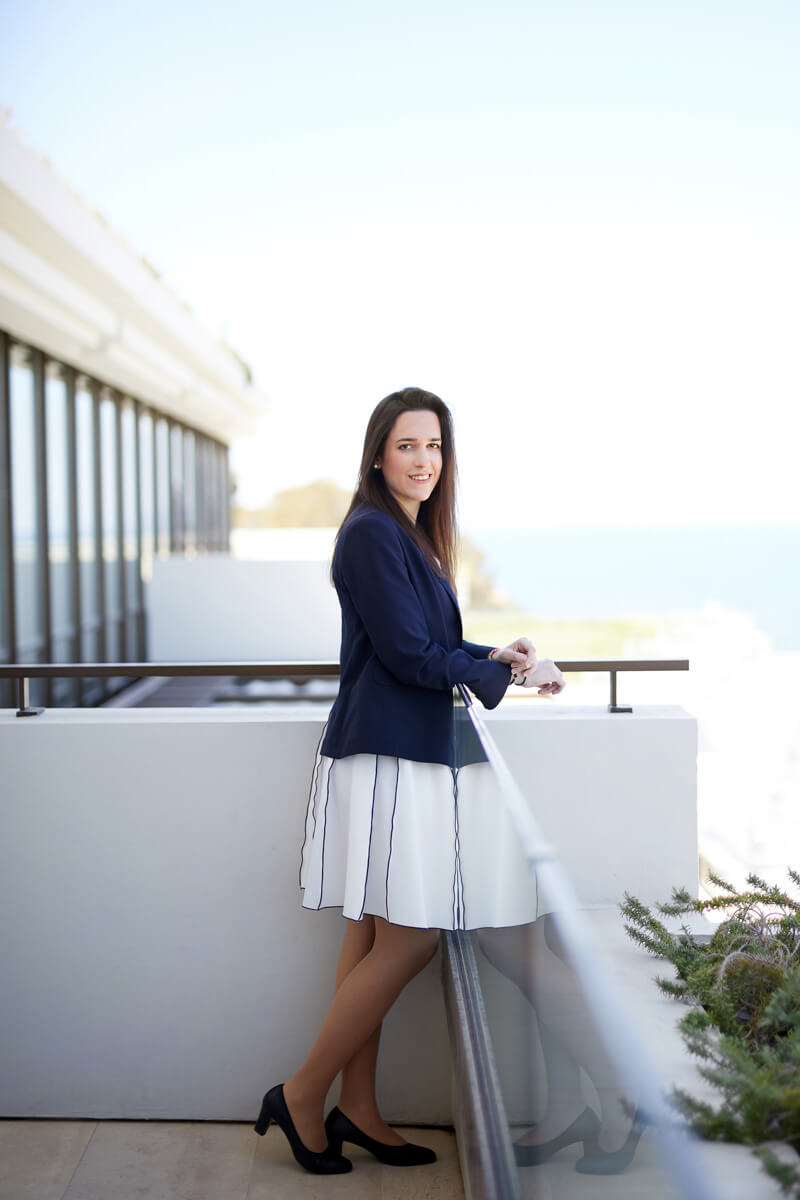
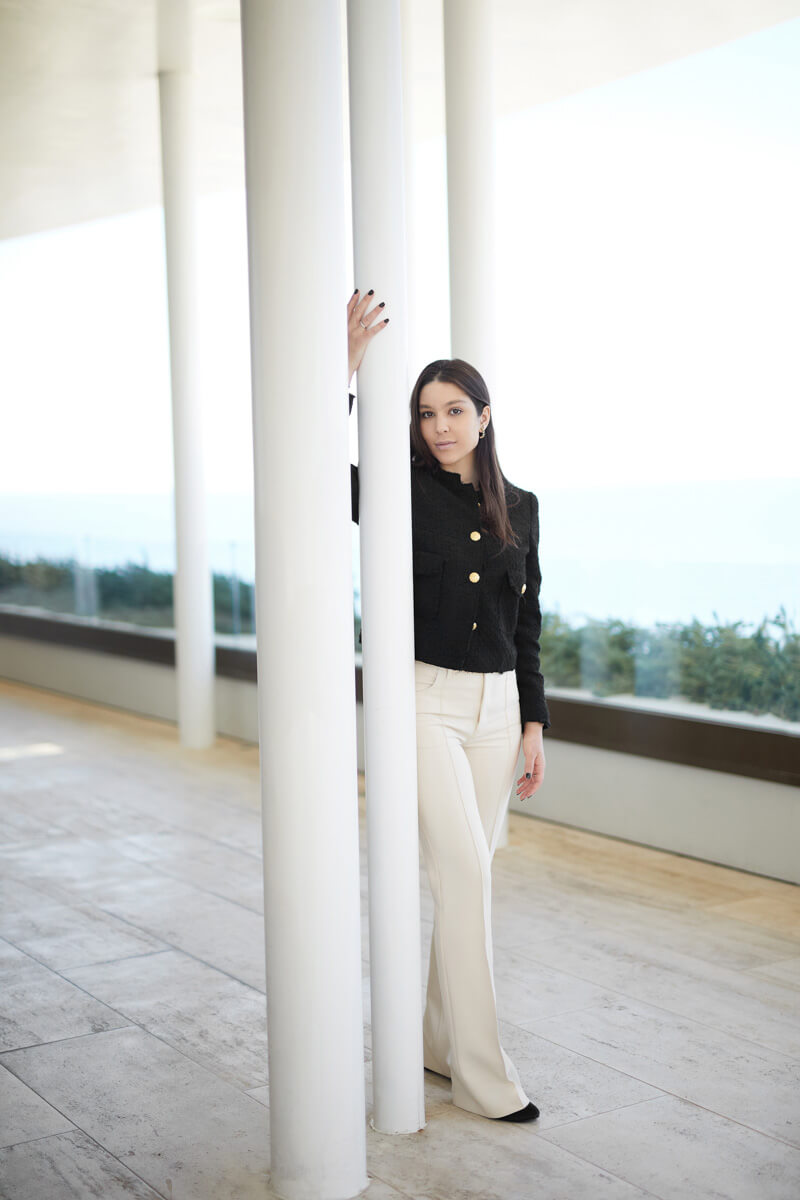
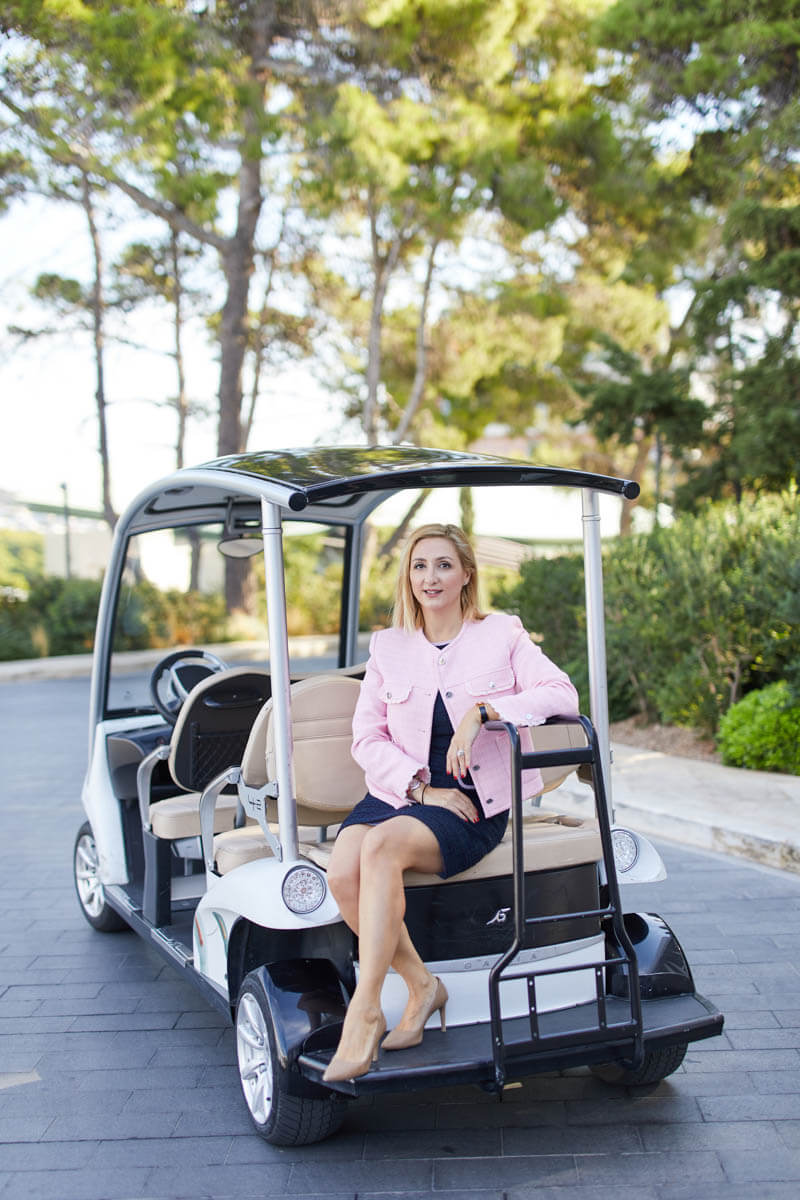
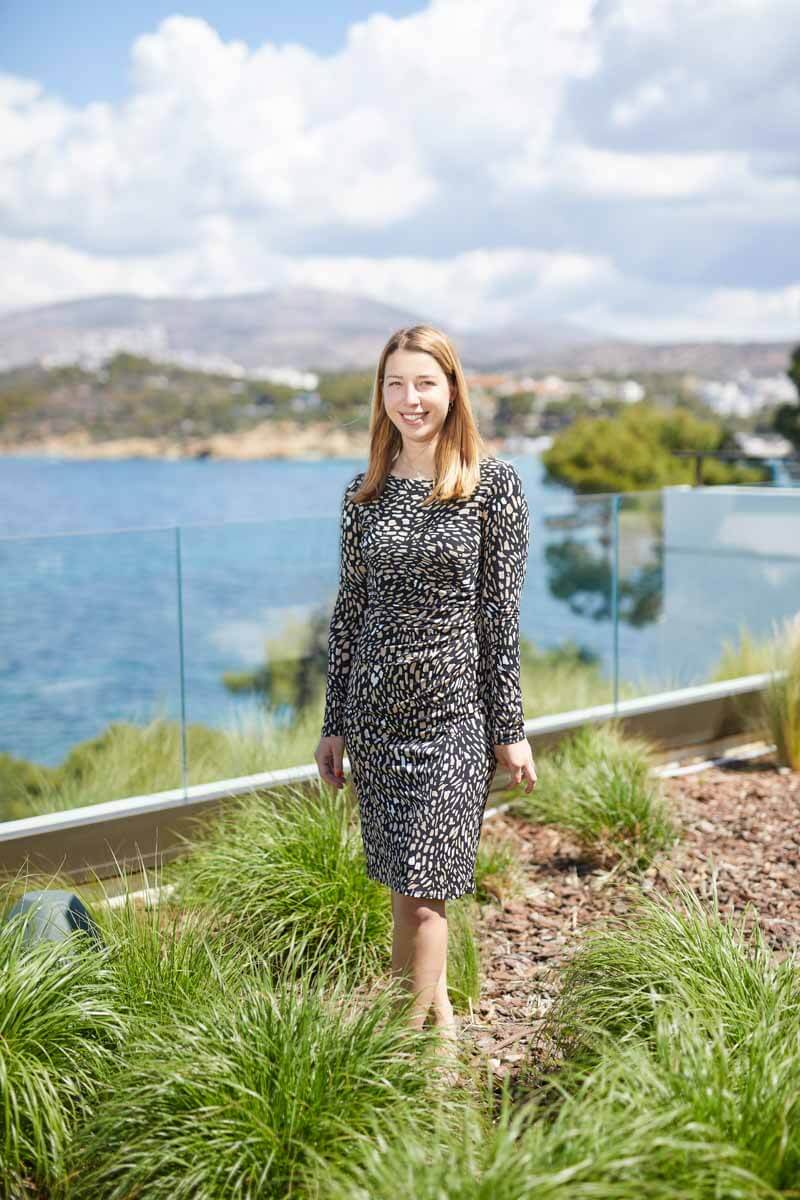
Every member of staff at the Four Seasons Astrir Palace Hotel Athens is committed to doing everything in their power to make you feel at home. Tender loving care in hospitality comes with a smile. The secret to good hospitality is... Not really a secret at all, I think. It’s about being able to respond to every guest’s different and changing needs. Nowadays, Four Seasons staff has the means to create a profile for every guest and to know what they like so that they can make sure they have it, but it’s also important that they respect every guest privacy.
Portrait photography for Four Seasons Magazine, Text by Nena Dimitriou.
Thanks to the Members:
Yorgos Vournazos Chief Concierge, Member of Les Clefs d’Or International
Vicky Zafeiri Hotel Assistant Manager
Rafaela Nikolouzou Public Relations Coordinator
Alexandros Makropoulos Executive Sous Chef
Ilir Rumbullaku Housekeeping
Apostolis Dimou Executive chef
Manon Kapfer Bar Manager
Georgia Sfika Assistant director of Reservations
Lilian Labropoulou Director of People and Culture
Mikael Lambotte Assistant director of rooms
Vyron Mavroudis Assistant Restaurant manager
Eva Sotirakopoulou Catering Executive
Nikodimos Koulits People & culture manager