
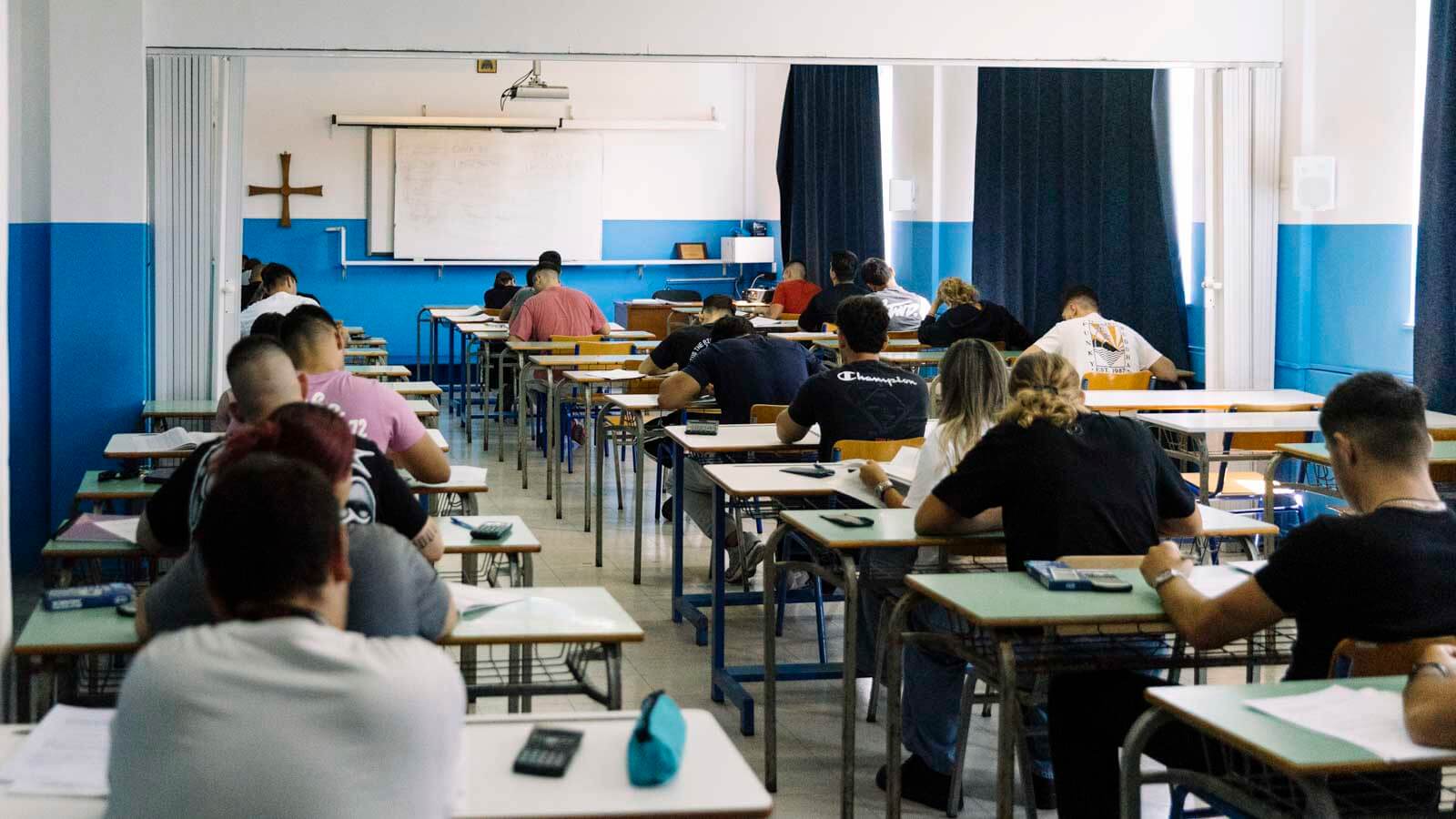
Chios & Oinousses — Maritime Education
Chios and Oinousses are islands where the land seems to breathe with the sea and shaped by the lives devoted to it. Here, the horizon is not distant it is a direction. As a corporate photographer based in Athens, Greece, I moved through this maritime long term educational event following an invisible thread. A living network of maritime training, where each stage of learning flows into the next like a tide in motion. Created for Kathimerini’s Topoi Mas, this photographic tribute turns its gaze toward the human landscape of the shipping world—where discipline takes form, knowledge becomes practice, and the sea shapes those who choose it.
In Chios, I photographed the Merchant Marine Academy of Engineering (AEN Chios), a core institution in Greece’s maritime education system. Here, seafarers train in a highly technical environment, working directly with machinery, tools, and large-scale mechanical systems. Alongside this, I documented vocational schools such as EPAL Vrontados, EPAL Kardamyla—and TEENS and Maria’s Home of Maria Tsakos foundation, spaces that host educational events and daily training activities for students preparing to enter maritime professions. I also spent time in student housing, where young people from across Greece begin shaping their future within the global shipping sector.
Each of these environments carries its own visual identity. What connects them is a clear direction toward careers in maritime and shipping industries, where many students arrive seeking opportunity and a structured professional path.
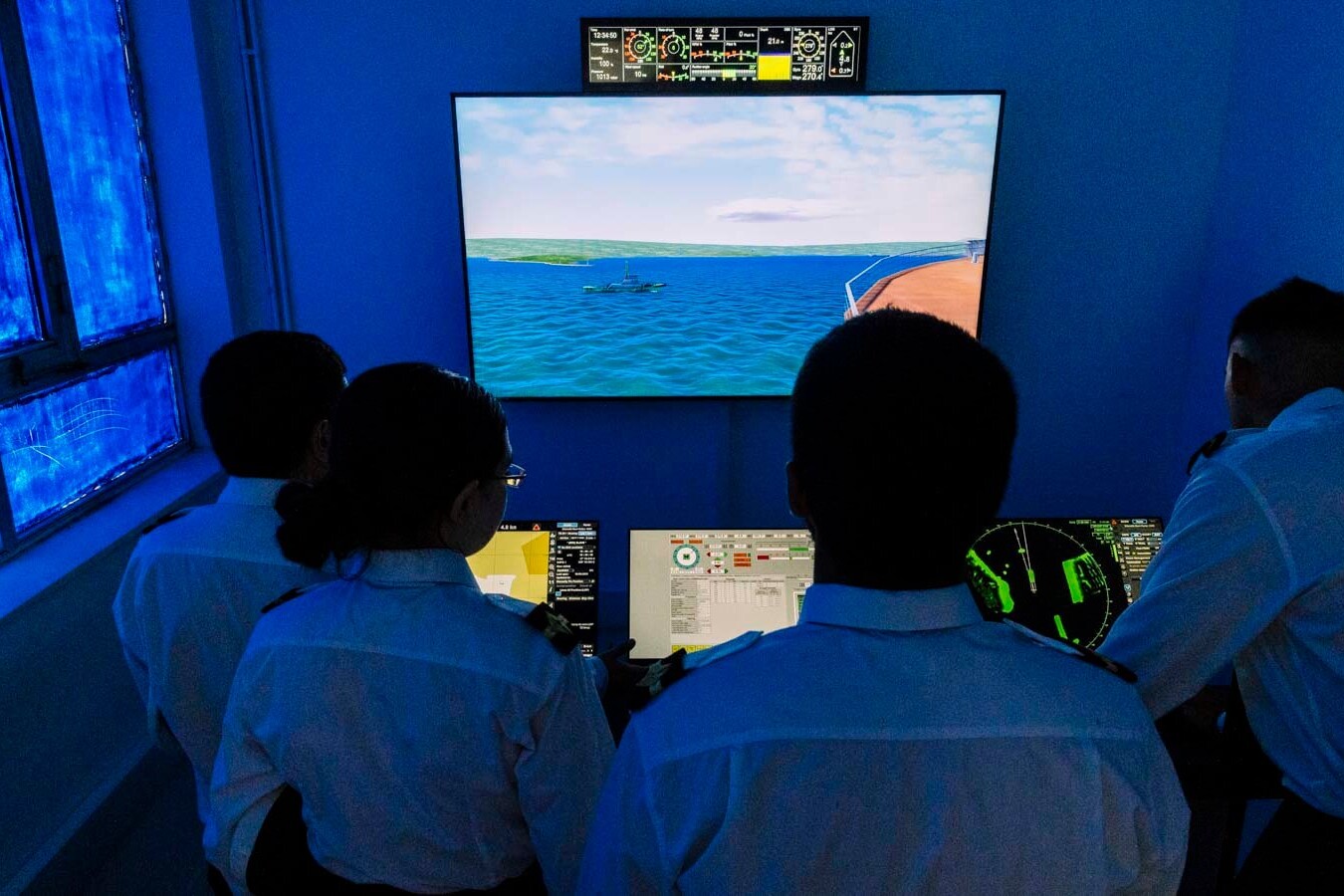
The project continues to Oinousses, a place where this educational ecosystem becomes even more concentrated. There, I photographed the Merchant Marine Academy for Deck Officers (AEN Oinousses), along with the maritime EPAL and the student boarding house. The island operates almost entirely around maritime education. It is a living environment shaped by the rhythm of seafarers life, where learning extends far beyond the classroom. What stood out immediately was the intensity of this setting. Daily life unfolds within a tight radius: cadets move between dormitories, classrooms, and training facilities in a continuous cycle. This proximity creates a strong sense of community, while reinforcing the discipline required in the maritime profession. As highlighted in the article, this routine prepares students for the structured, enclosed environment of life at sea—an essential aspect of working in shipping.
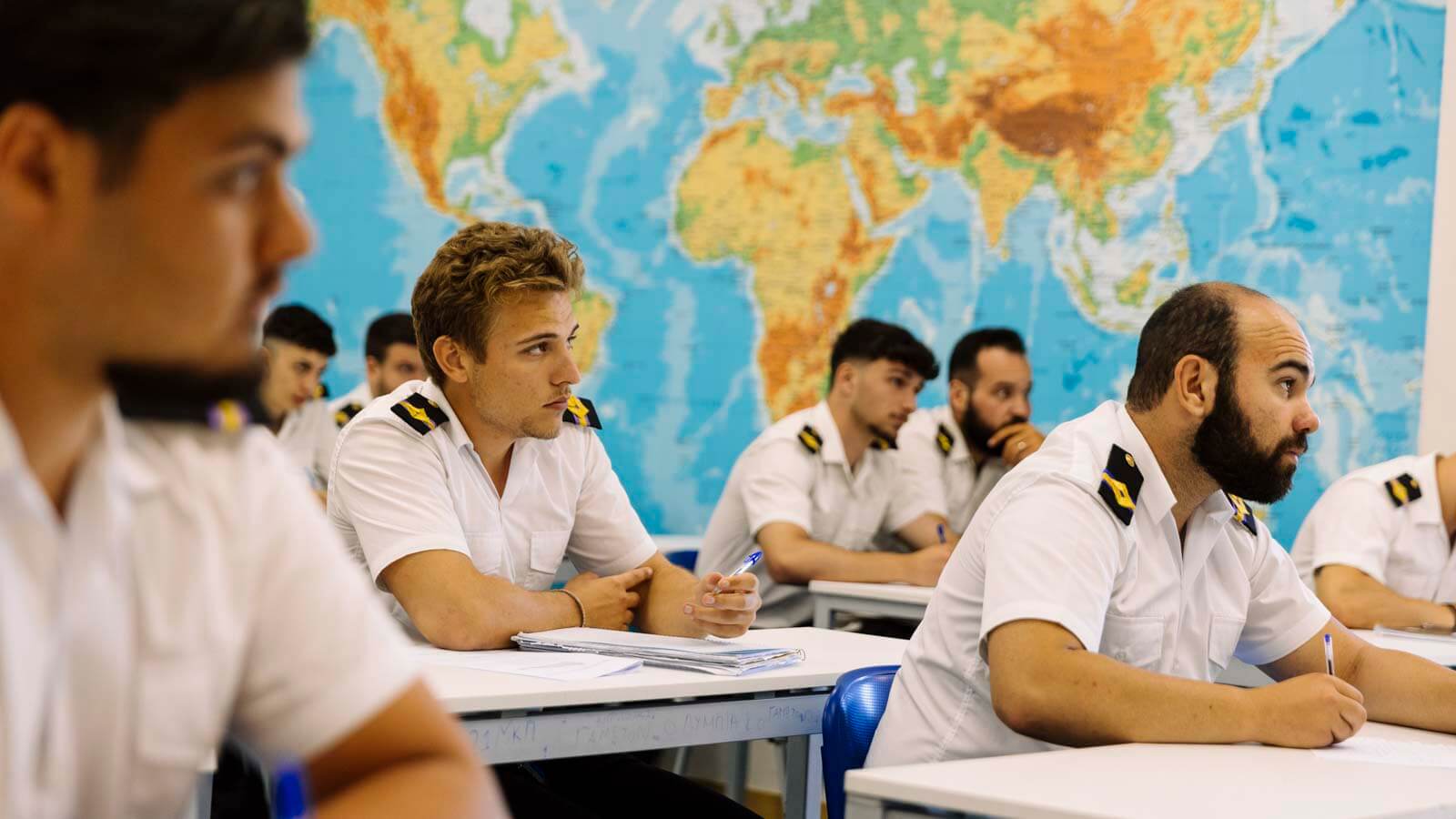
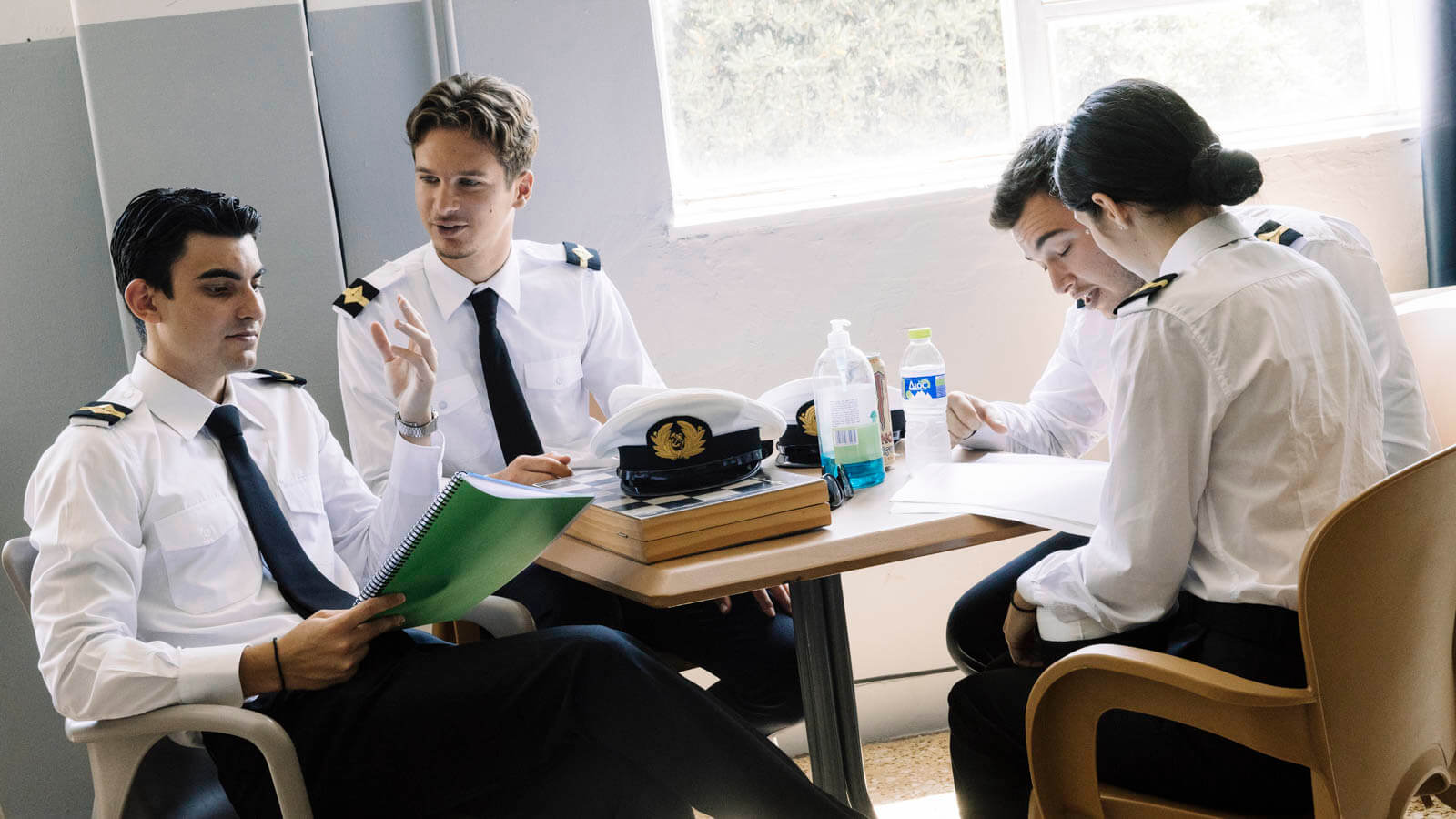
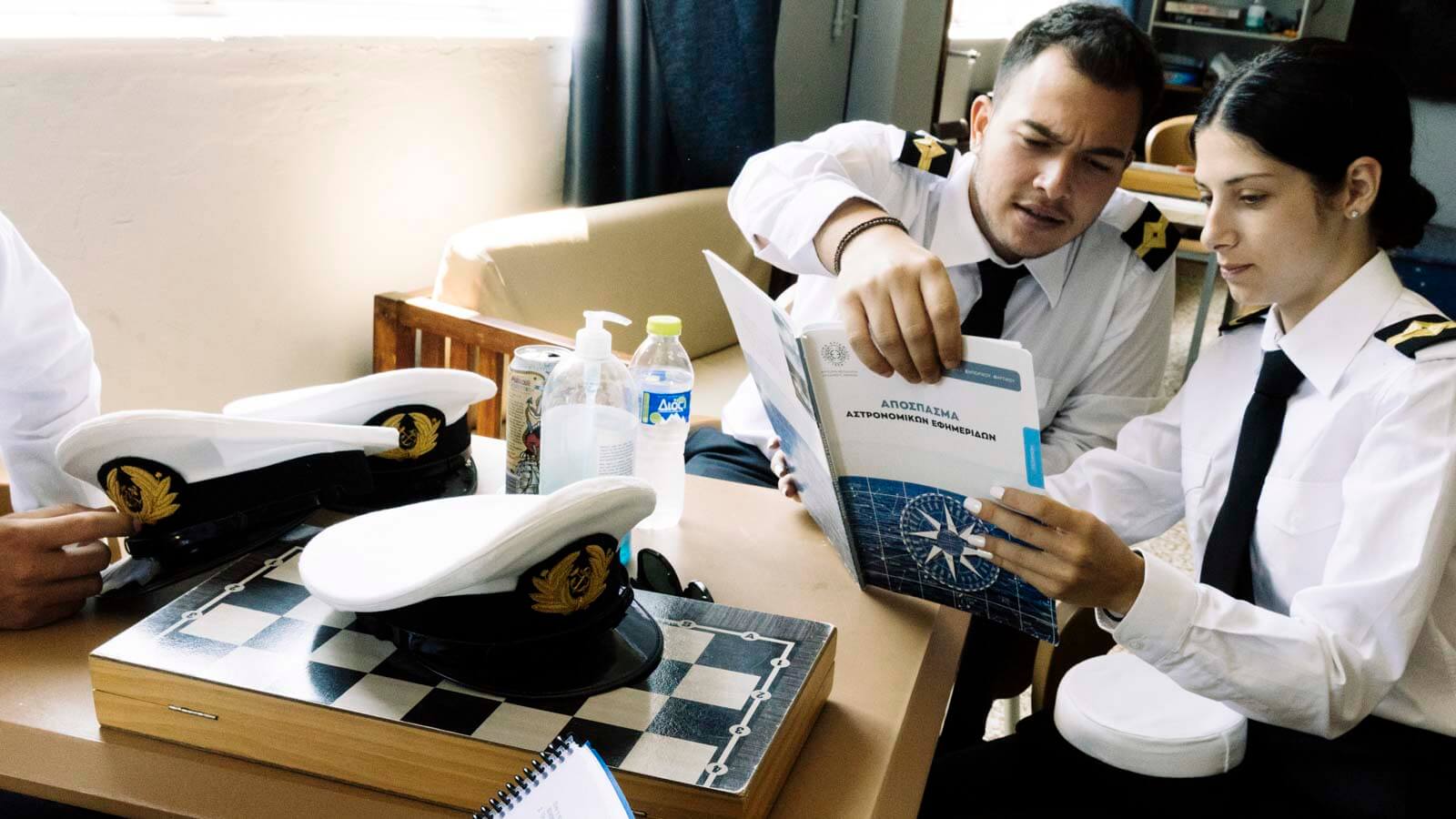
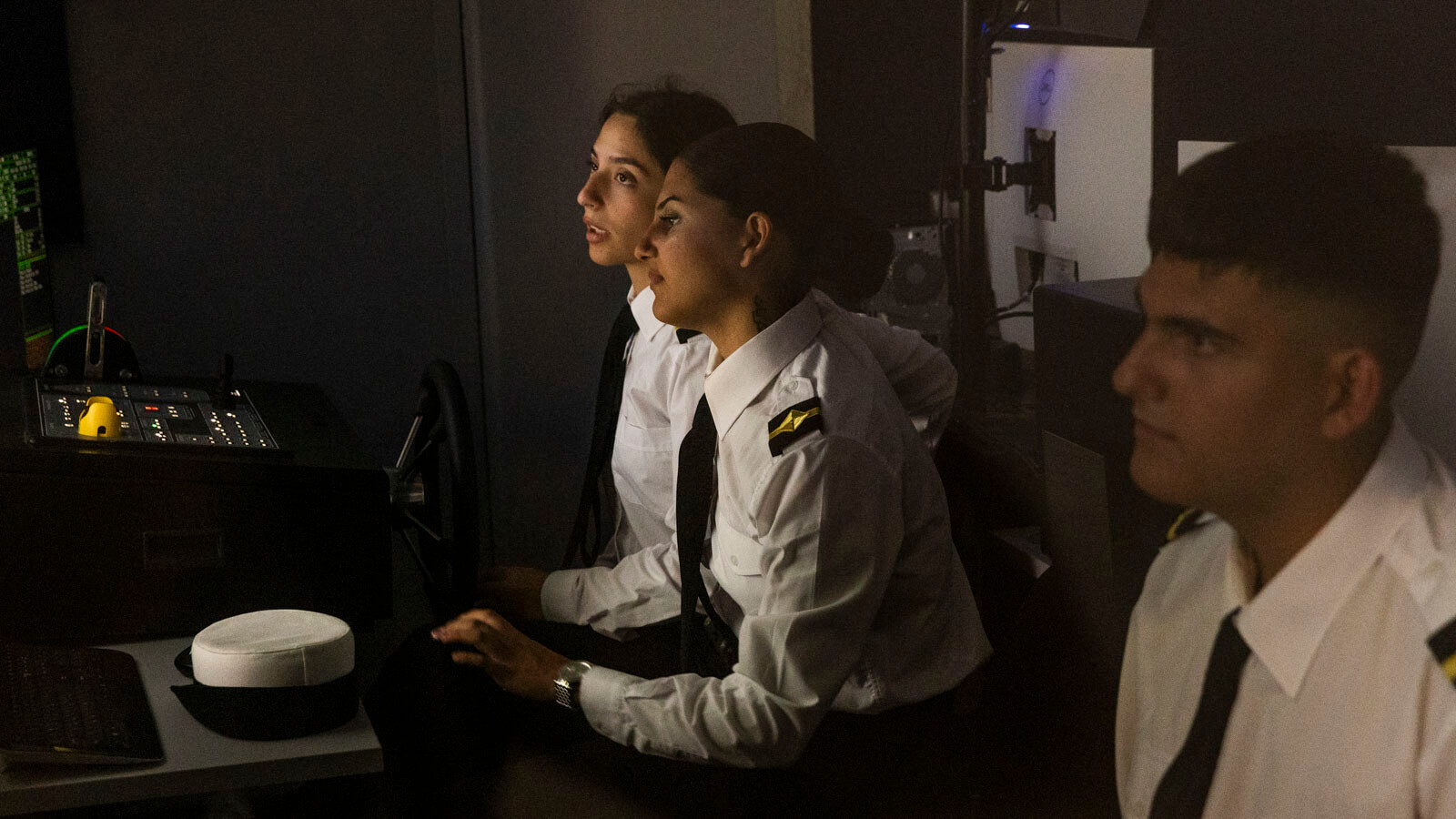
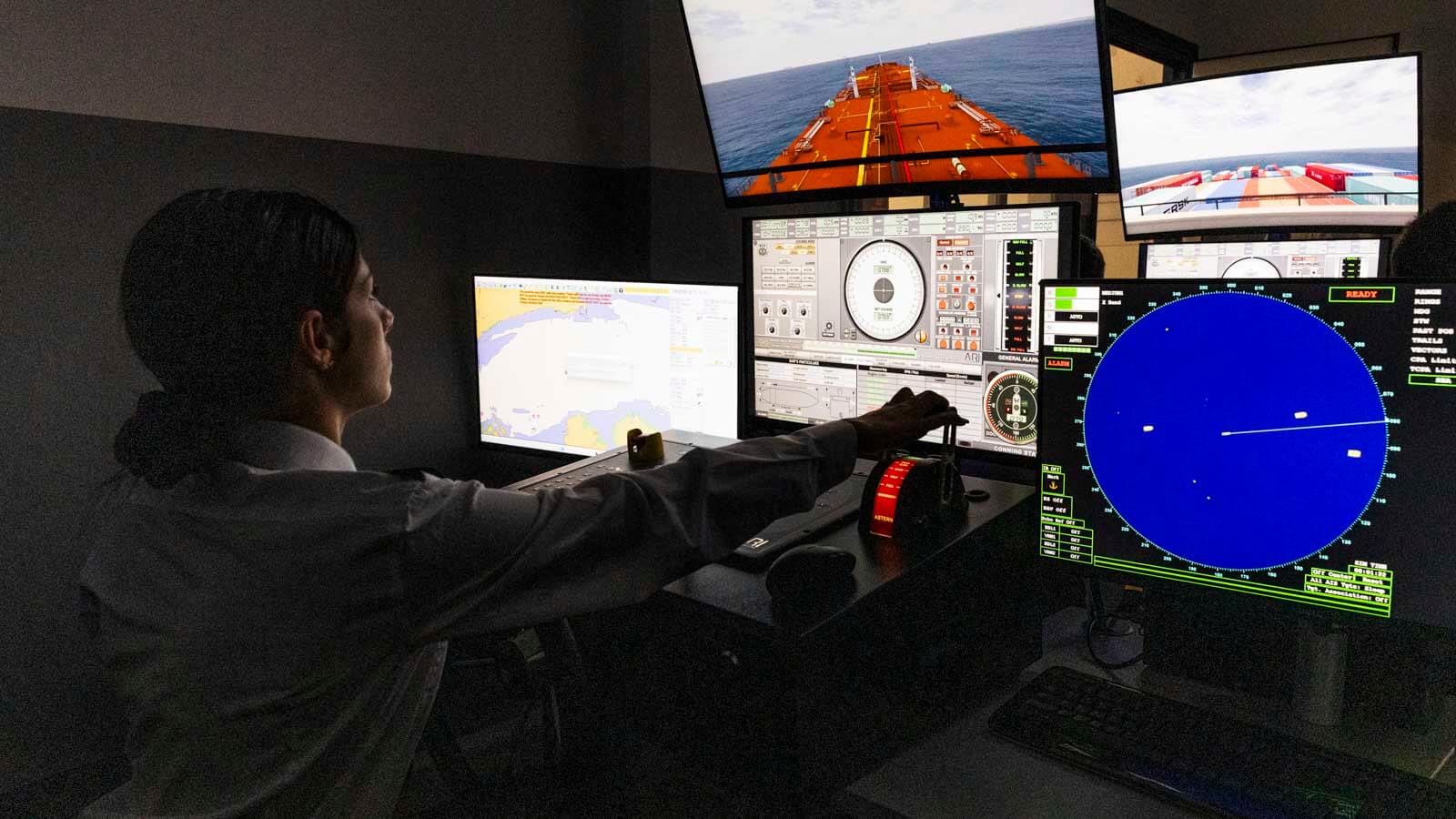
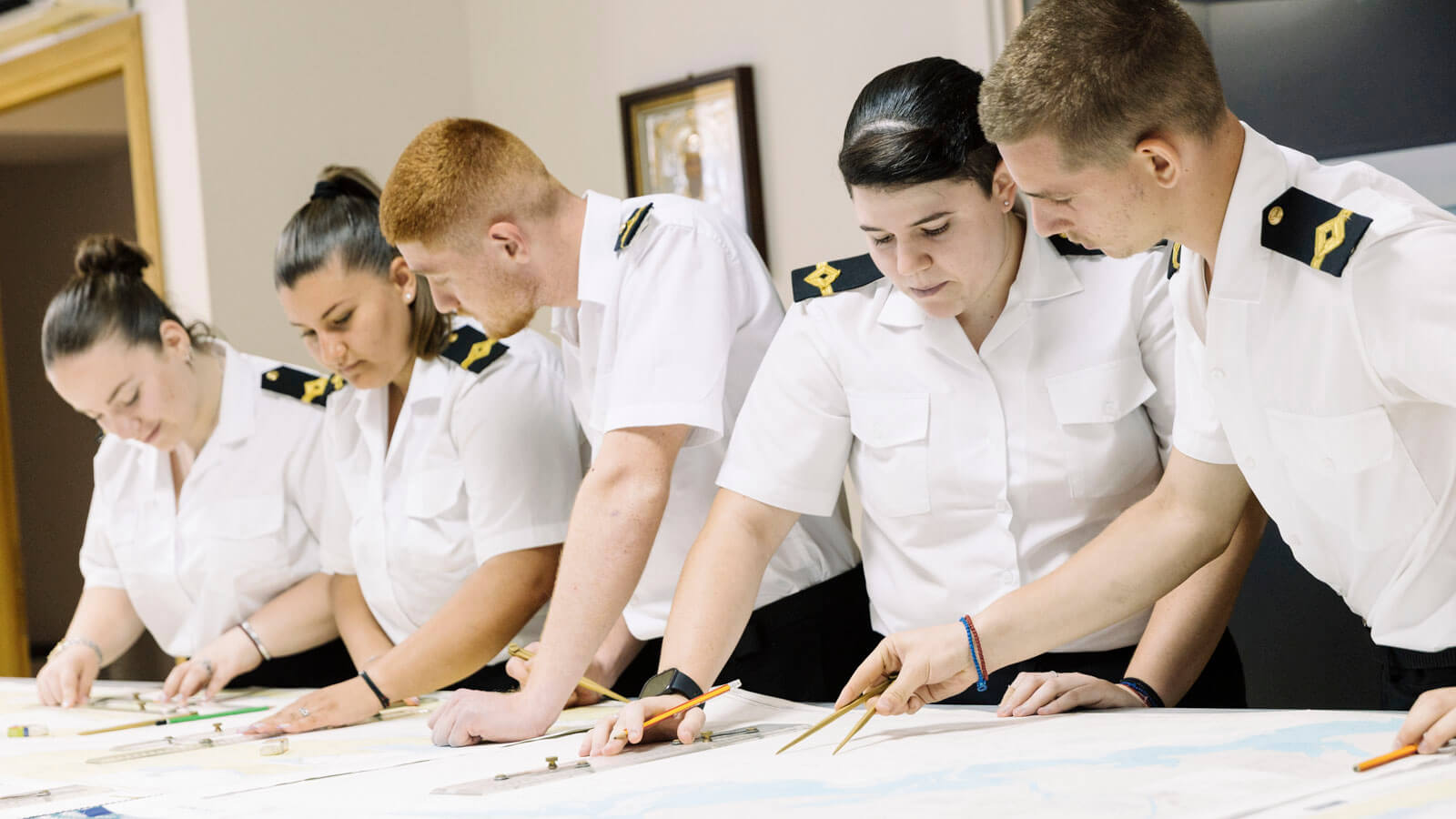
Photographically, Oinousses became the core of the project. I focused on repetition, structure, and presence—corridors, uniforms, gestures, and small details that reveal how individuals evolve through training. There is a quiet concentration in the way cadets interact, already adapting to the expectations of a maritime career.
A phrase often heard locally—“from sheep to ship”—captures the transformation of the island’s identity. Within the academy, this transformation is ongoing. Students from diverse backgrounds gradually integrate into a system that reflects the precision and demands of the global maritime and shipping industry.
Across all locations, my focus remained on how space shapes behavior. These are environments built on discipline, repetition, and responsibility—qualities essential not only in education but also in corporate and maritime contexts. The images reflect this approach: structured, observational, and grounded in real moments.
This work is part of my broader practice as a photographer based in Athens, Greece, specializing in corporate and maritime photography projects. It explores how identity is formed within working environments—especially those connected to the sea, where tradition meets modern industry.
In Chios and Oinousses, everything is interconnected: people, places, and purpose. The sea may not always be visible—but within the world of shipping, maritime training and cadet life, it is always present.
The research and main text made by the editor Giannis Papadimitriou.


Dinning with History at the Royal Suit of Grande Bretagne Athens
The story of Grande Bretagne is a story of precision, ritual, and enduring elegance at the heart of Athens, Greece. It opens in the Royal Suite, where every detail of a formal dinner is arranged with almost ceremonial care: chairs aligned by eye, cutlery measured by fingers, and historic golden sets placed with exacting symmetry. This obsessive attention to detail is not mere formality, but a reflection of a deeper philosophy—one that defines the hotel’s identity as a symbol of luxury and refinement. This carefully staged scene also formed the concept of a special photoshoot designed for the anniversary edition of GB Magazine, celebrating 150 years of the hotel’s legacy, with images created for the magazine editorial and communication use.
Behind the scenes, a full team moves into action: florists, stewards, assistants, and wine experts prepare the setting using hand-painted Limoges porcelain, silverware, and rare bottles transferred to a private cellar. At the center of this orchestration stands Executive Chef Asterios Koustoudis, whose arrival with his team marks the transition from preparation to creation. The image of the chefs in white aprons and tall hats feels almost timeless—perfect material for food photography and a striking group chef photo that connects past and present and a visual language ideally suited to communicate the Grande Bretagne’s heritage in both magazine print and social media.
The menu itself is rooted in historical research. Inspired by a rare cookbook from the 1950s by Georgios Dimostheniadis, the team reconstructs dishes that once represented the height of cosmopolitan dining. These recipes—ranging from refined soups and delicate fish dishes to elaborate lobster preparations—demonstrate how cuisine at the Grande Bretagne has always balanced technique, seasonality, and visual beauty. The philosophy is clear: food should look as exquisite as it tastes, blurring the line between gastronomy and art.
This recreated seven-course dinner is more than a meal, it is a statement about continuity. It highlights how the hotel has contributed to the evolution of Greek gastronomy over more than a century, while staying faithful to European culinary traditions. From the late 19th century onward, the Grande Bretagne earned its reputation as a benchmark of luxury, attracting royalty, diplomats, and elite society. French cuisine once dominated its menus, but over time Greek ingredients and dishes claimed their place, reflecting broader changes in taste and identity.
The narrative also traces how the hotel’s prestige shaped supply networks, supported Greek producers, and set standards for service and presentation. Even details such as uniforms, languages spoken by staff, and the choreography of service reveal a world where hospitality is treated as a craft. Celebrations, gala evenings, and long festive dinners became part of the social fabric of Athens, reinforcing the hotel’s role as a cultural landmark in Greece.
Today, that legacy continues. From the Winter Garden’s brunch and Afternoon Tea to the GB Roof Garden’s contemporary cuisine, the spirit of innovation remains alive. Under the guidance of Asterios Koustoudis, the kitchen still focuses on seasonal ingredients, refined technique, and strong visual identity—making every plate a potential subject for food photography and every service a continuation of a long historical tradition.
In essence, the Grande Bretagne is not just a hotel, but a living archive of taste, ceremony, and craftsmanship—where the Royal Suite,, the formal dinner, and the pursuit of luxury come together in a visual and culinary narrative created for the 150-year anniversary of the hotel, and expressed through imagery used both editorially and for the hotel’s advertising, deeply rooted in Athens, Greece, and still evolving today.
Executive Chef Asterios Koustoudis
Article, research and interviews and by the food editor Nena Demetriou.
Head Sommelier Evangelos Psofidis


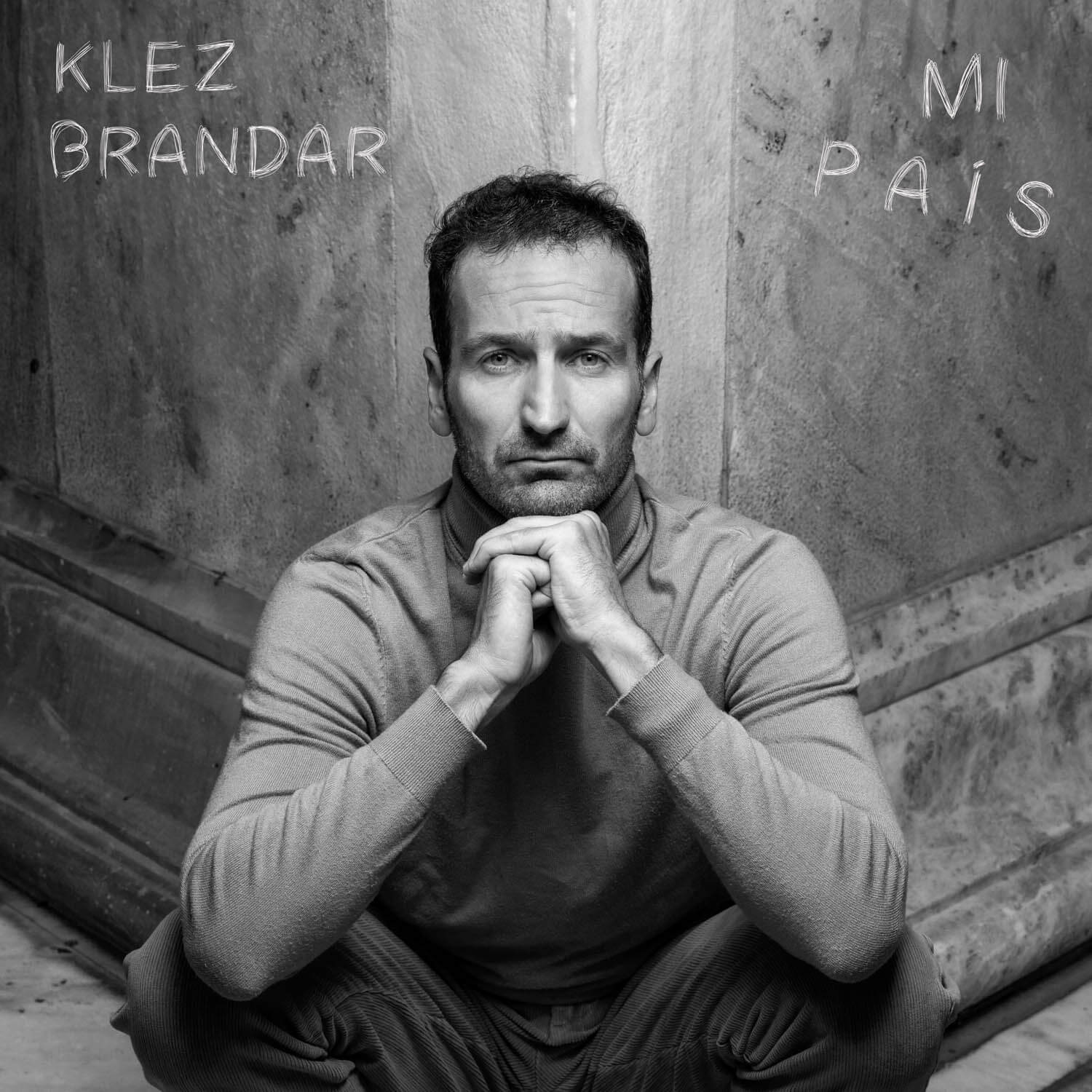
Klez Brandar's Single Cover
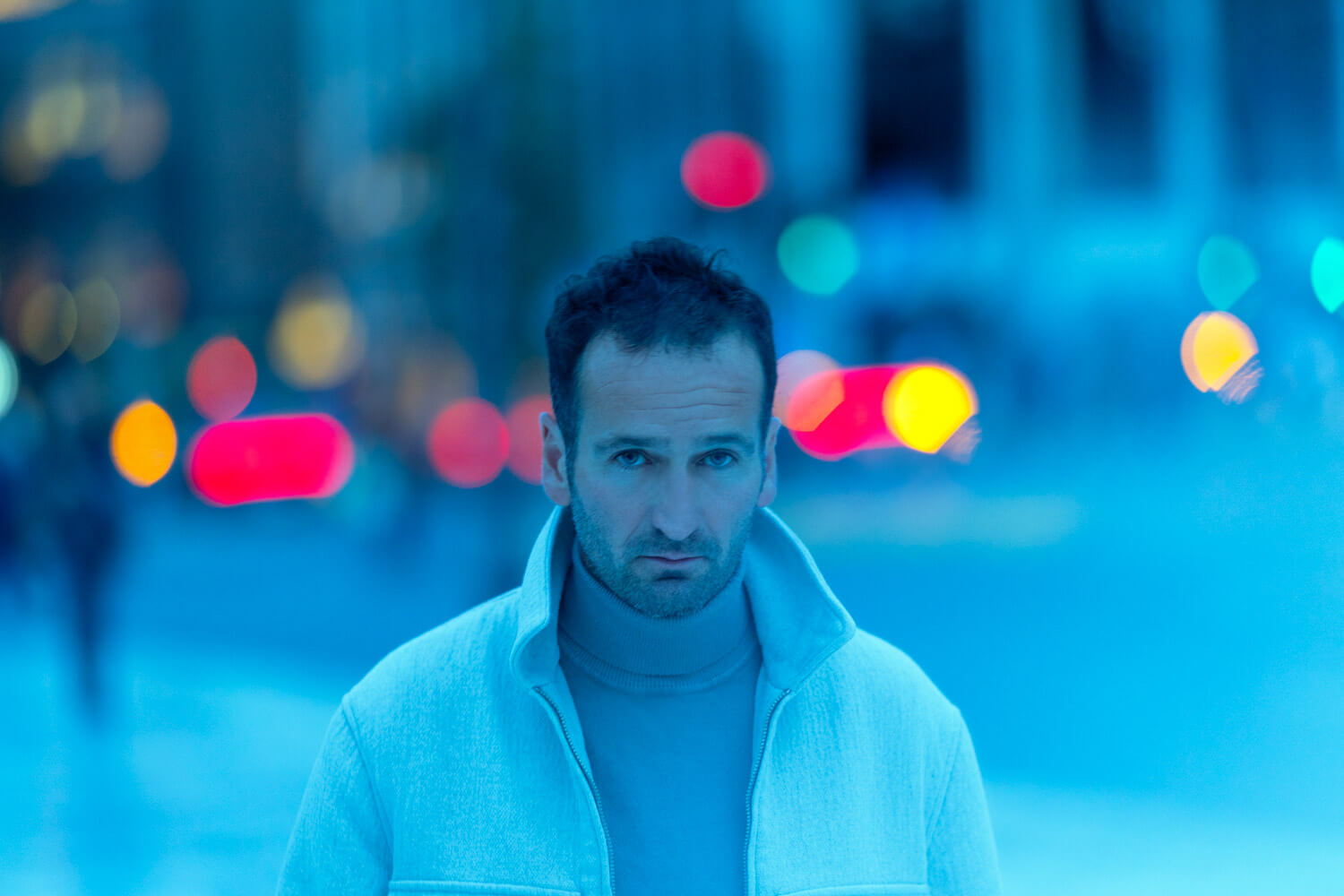
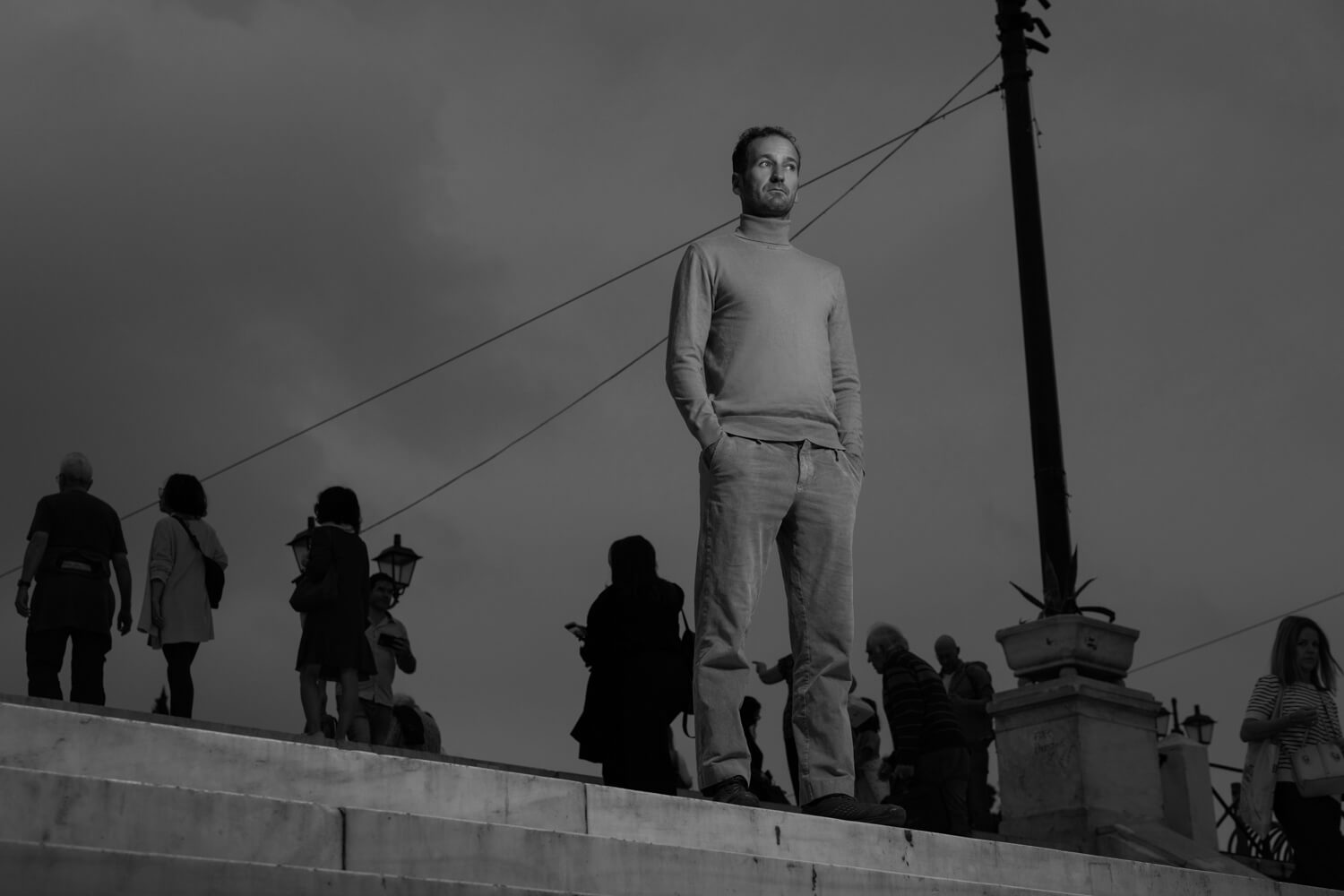
From the very first frame, Klez's presence felt cinematic. A guy that could be transformed in any character. The light and locations I chose took inspiration from his energy—strong, dramatic, but with tender vulnerability. In some shots, he stands in sharp contrast to the city’s architectural textures, while in others, softer tones soften his expression. This duality mirrors the tension in his artistic persona: the actor’s readiness to perform, and the musician’s openness to feel.
Each portrait also acts as a visual echo of his sound. Klez’s music is thoughtful and layered. I interpreted that by using lighting and framing that give depth—sometimes isolating him against negative space, other times embedding him in the urban fabric. The result feels like a series of stills from a short film about his life and art.
Given Klez Brandar's versatility, these images work on multiple levels. They’re powerful enough to serve as album artwork or Spotify single covers, but also intimate enough to stand as actor headshots.
As an portrait photographer, I always look for that synergy, when the subject’s inner world and the visual environment connect and told a story. One of sound and space, of performance and presence, a visual refrain of his artistry.
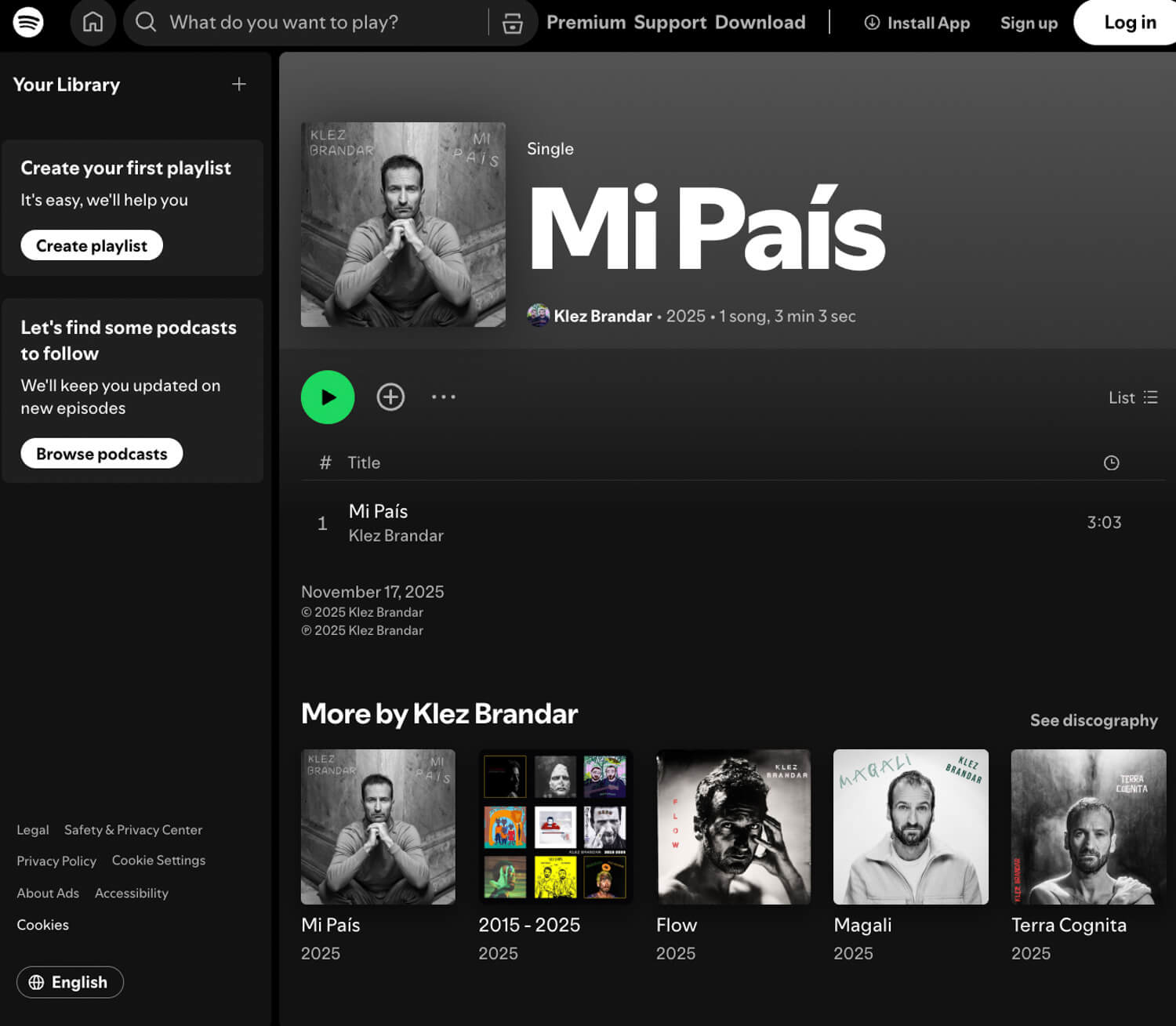
https://open.spotify.com/artist/7m33Eyso7doMUFjdD8AiYC