
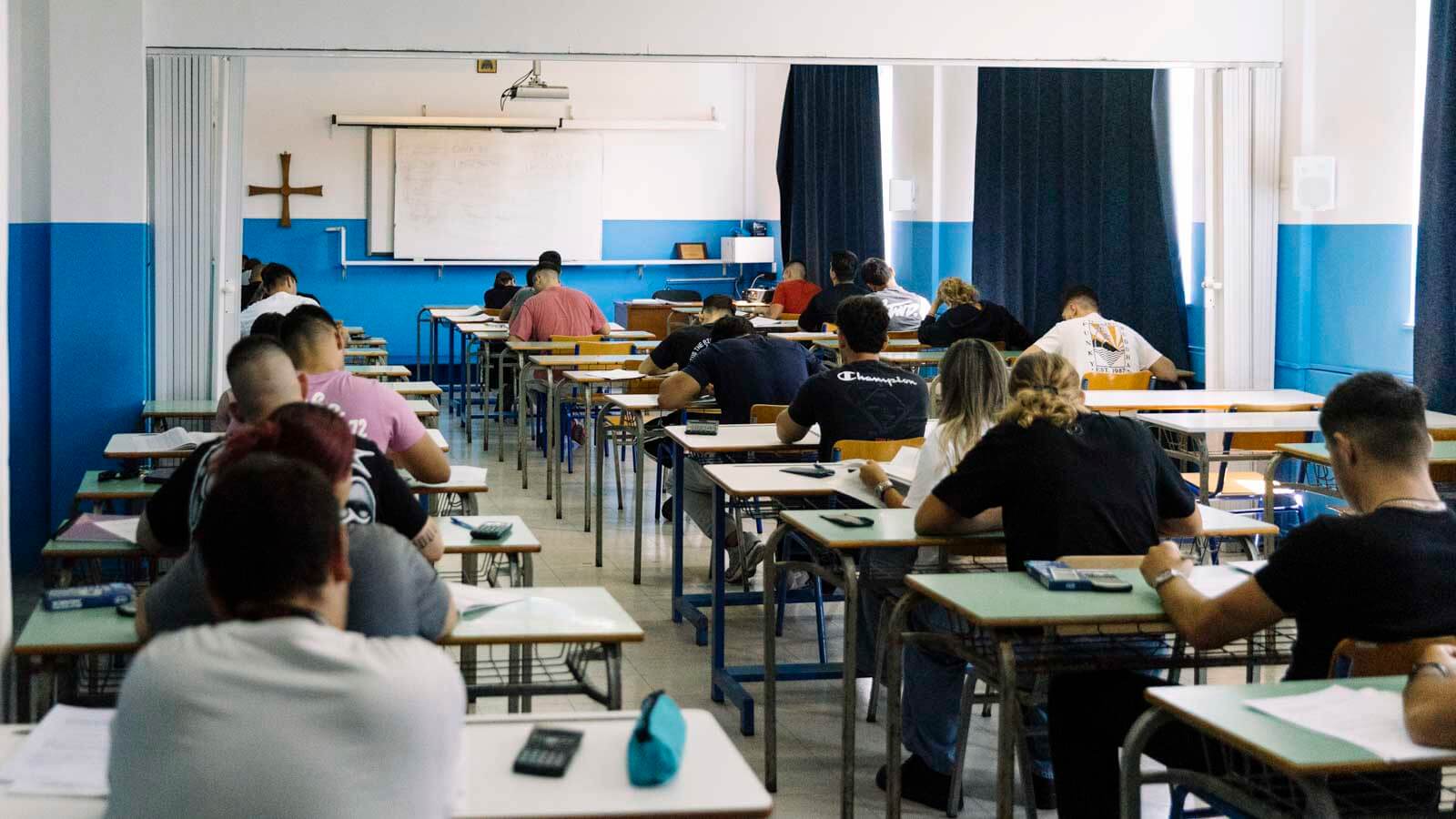
Chios & Oinousses — Maritime Education
Chios and Oinousses are islands where the land seems to breathe with the sea and shaped by the lives devoted to it. Here, the horizon is not distant it is a direction. As a corporate photographer based in Athens, Greece, I moved through this maritime long term educational event following an invisible thread. A living network of maritime training, where each stage of learning flows into the next like a tide in motion. Created for Kathimerini’s Topoi Mas, this photographic tribute turns its gaze toward the human landscape of the shipping world—where discipline takes form, knowledge becomes practice, and the sea shapes those who choose it.
In Chios, I photographed the Merchant Marine Academy of Engineering (AEN Chios), a core institution in Greece’s maritime education system. Here, seafarers train in a highly technical environment, working directly with machinery, tools, and large-scale mechanical systems. Alongside this, I documented vocational schools such as EPAL Vrontados, EPAL Kardamyla—and TEENS and Maria’s Home of Maria Tsakos foundation, spaces that host educational events and daily training activities for students preparing to enter maritime professions. I also spent time in student housing, where young people from across Greece begin shaping their future within the global shipping sector.
Each of these environments carries its own visual identity. What connects them is a clear direction toward careers in maritime and shipping industries, where many students arrive seeking opportunity and a structured professional path.
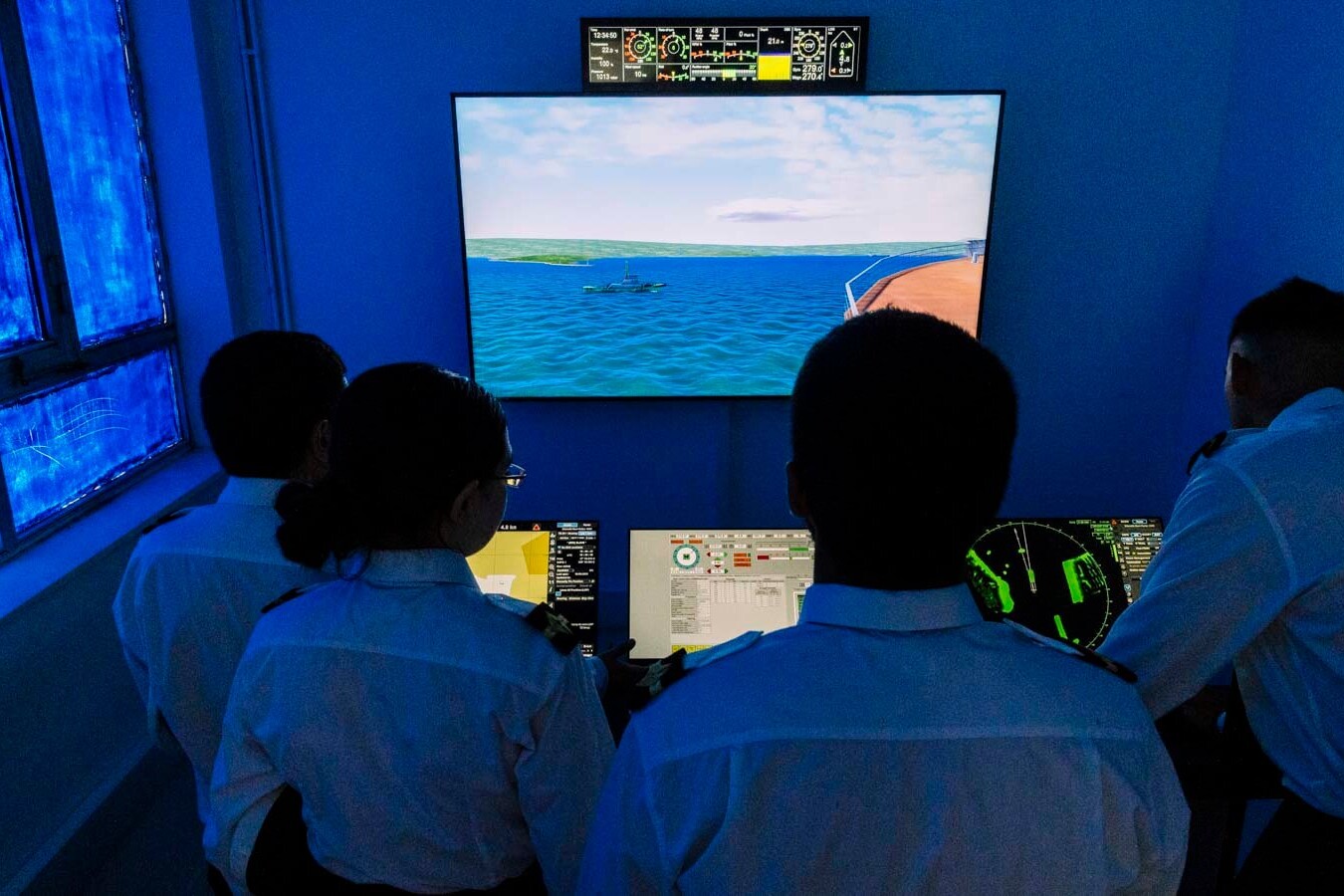
The project continues to Oinousses, a place where this educational ecosystem becomes even more concentrated. There, I photographed the Merchant Marine Academy for Deck Officers (AEN Oinousses), along with the maritime EPAL and the student boarding house. The island operates almost entirely around maritime education. It is a living environment shaped by the rhythm of seafarers life, where learning extends far beyond the classroom. What stood out immediately was the intensity of this setting. Daily life unfolds within a tight radius: cadets move between dormitories, classrooms, and training facilities in a continuous cycle. This proximity creates a strong sense of community, while reinforcing the discipline required in the maritime profession. As highlighted in the article, this routine prepares students for the structured, enclosed environment of life at sea—an essential aspect of working in shipping.
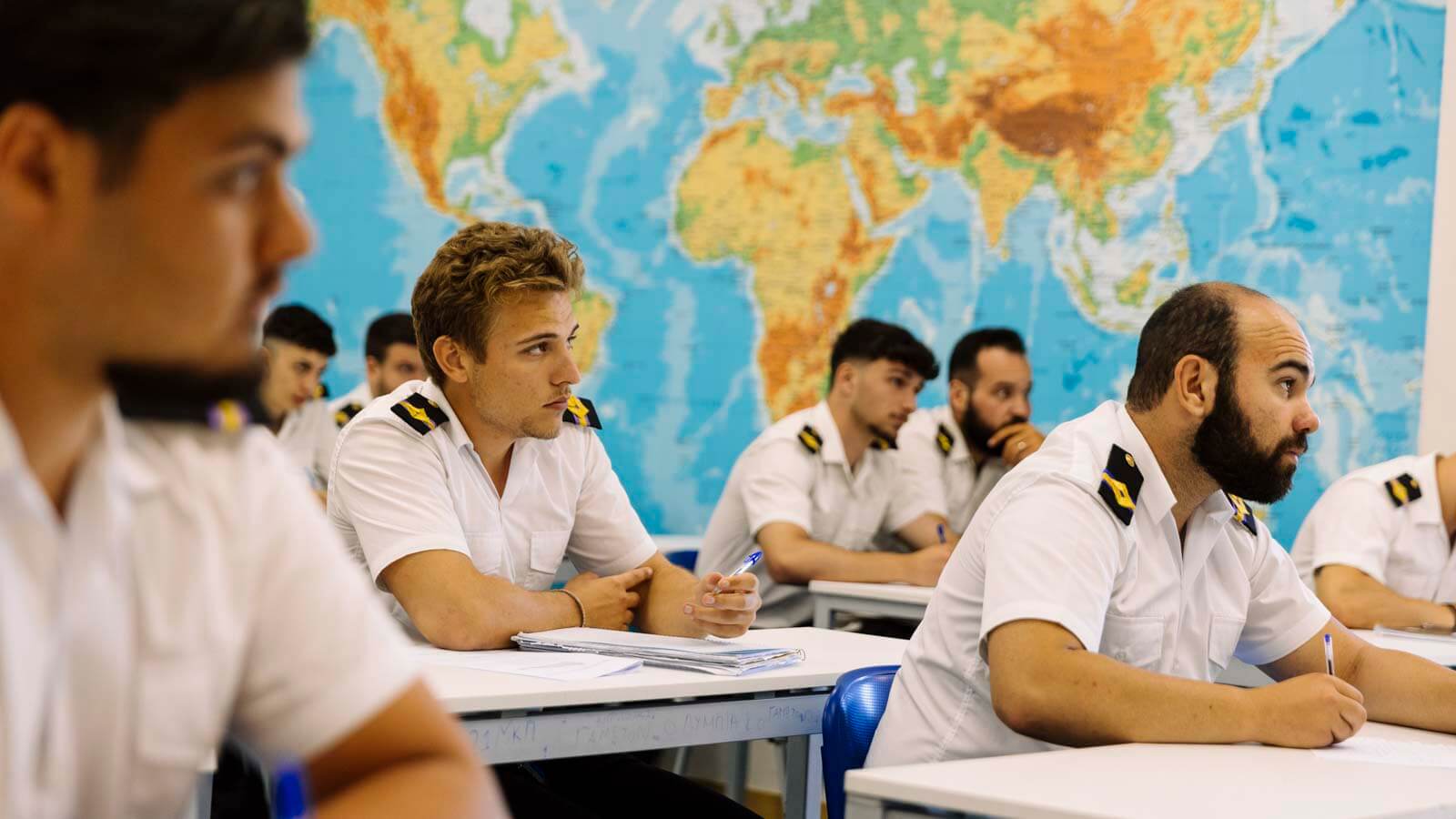
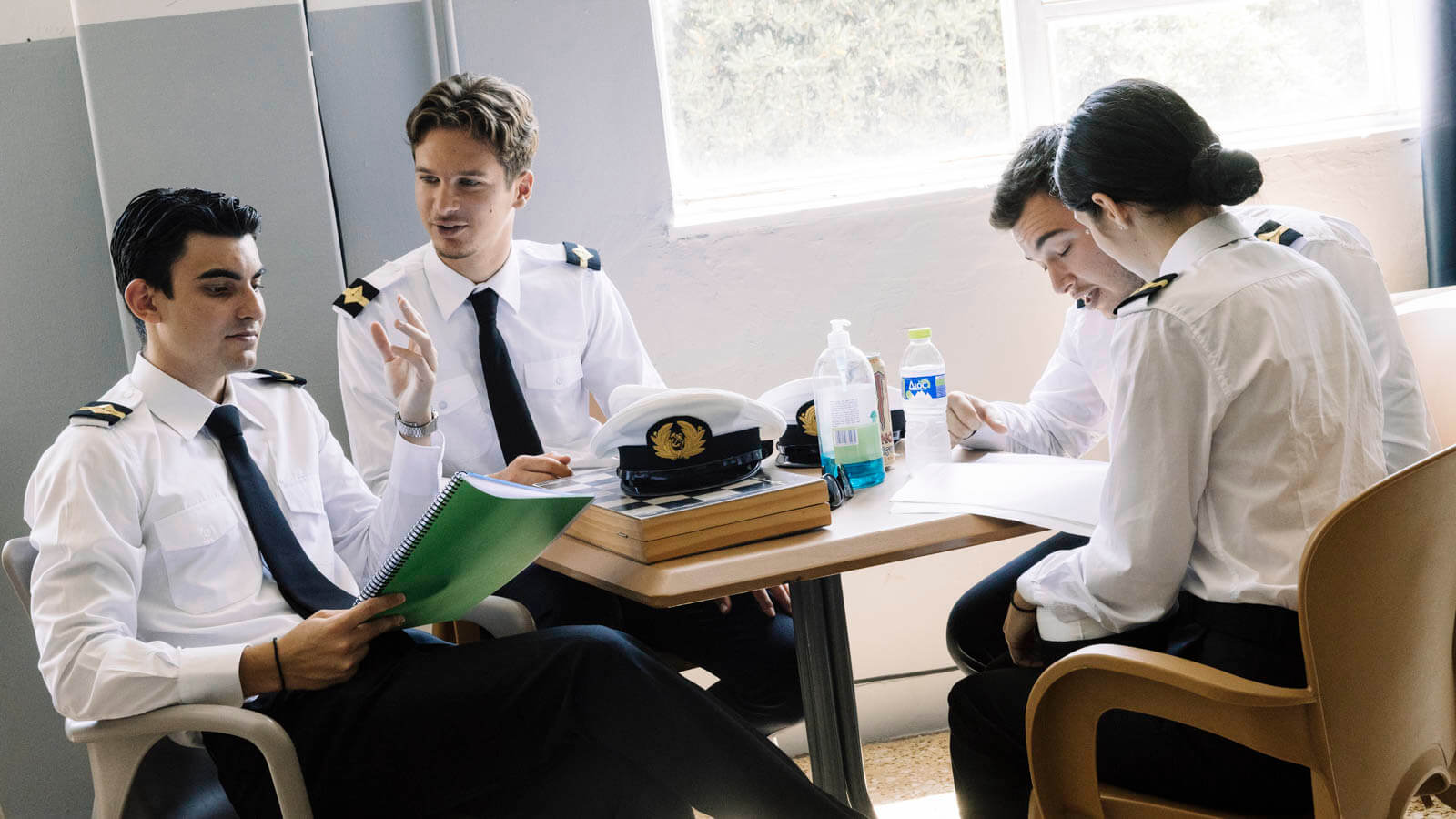
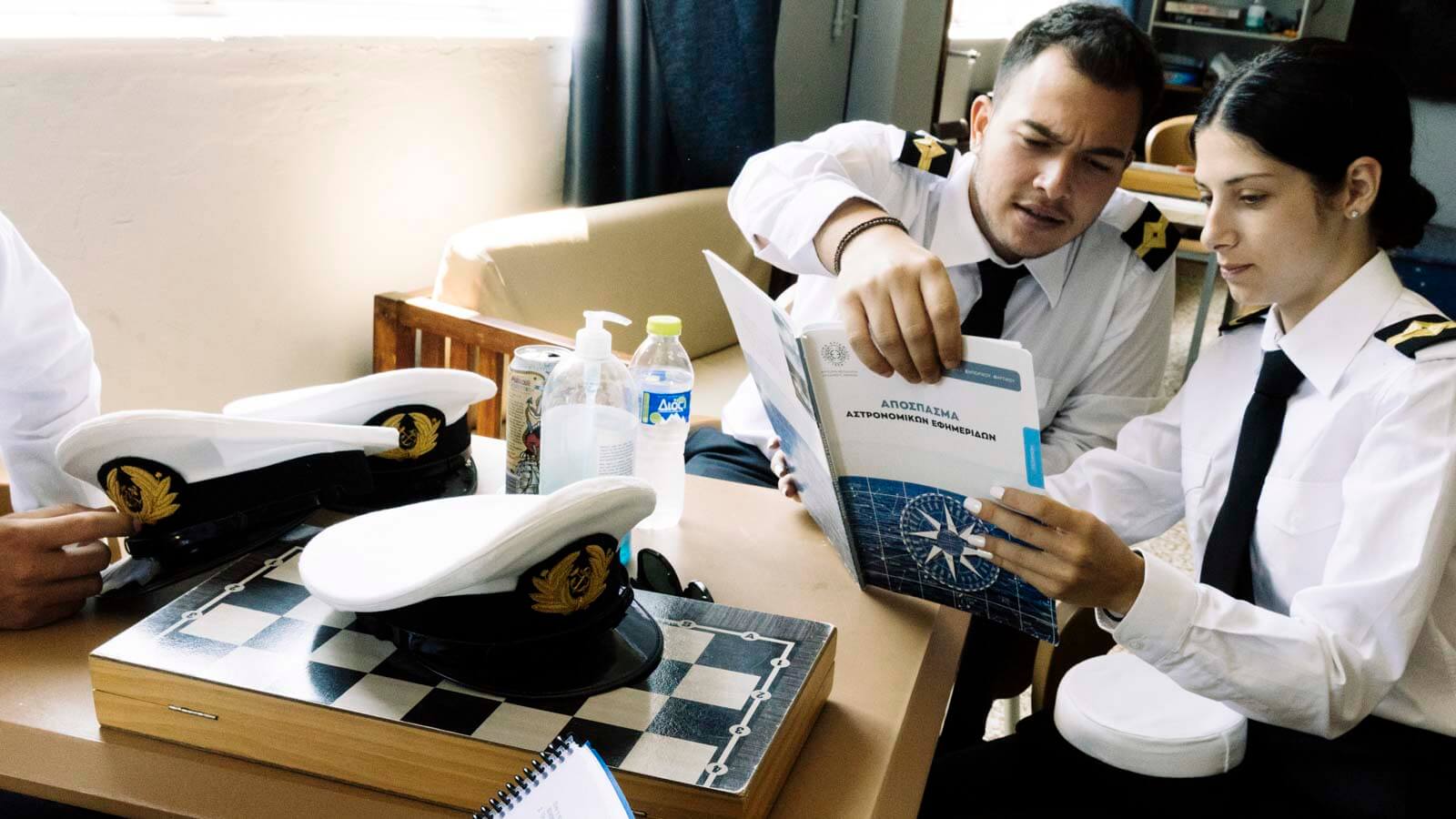
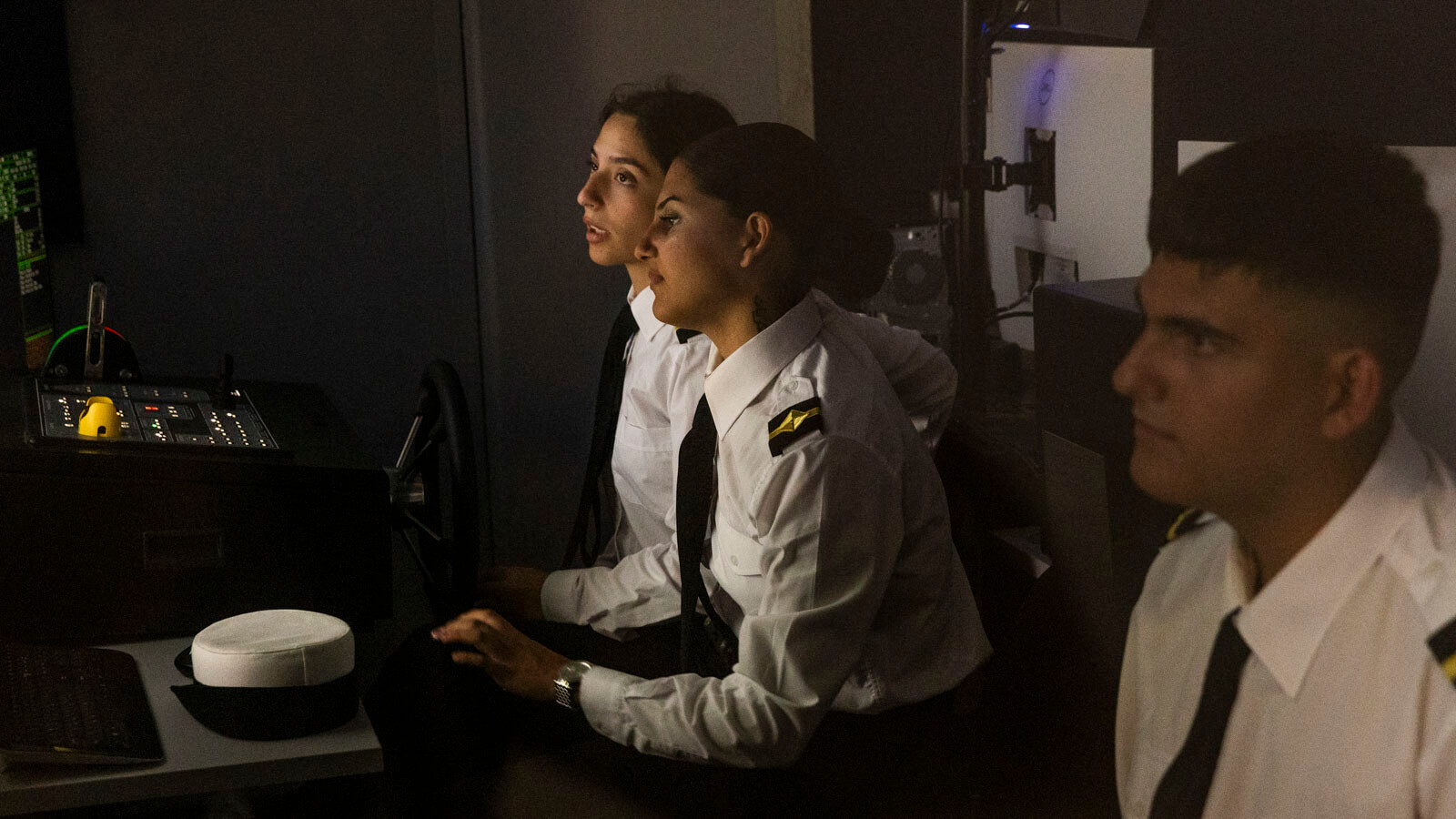
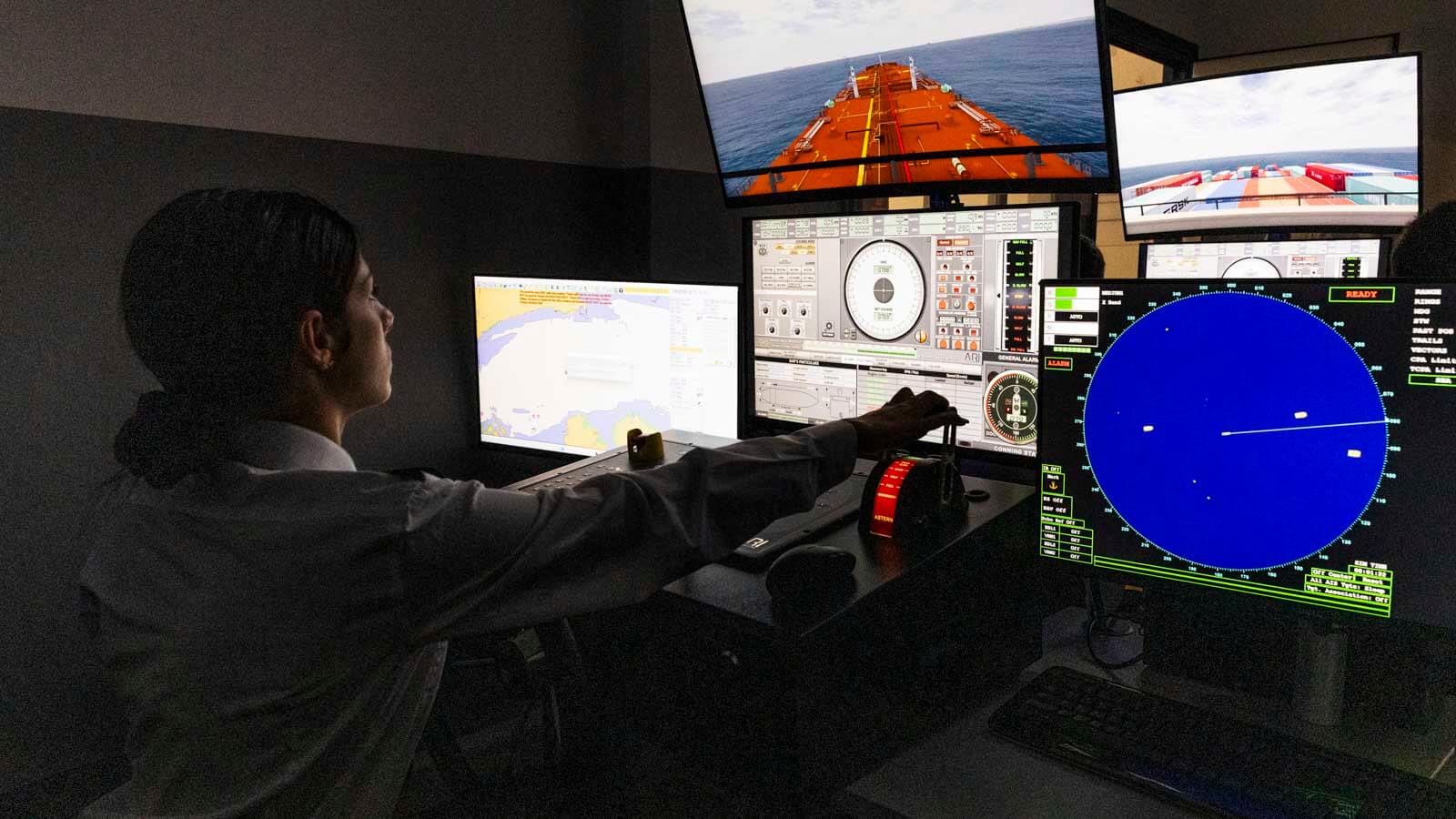
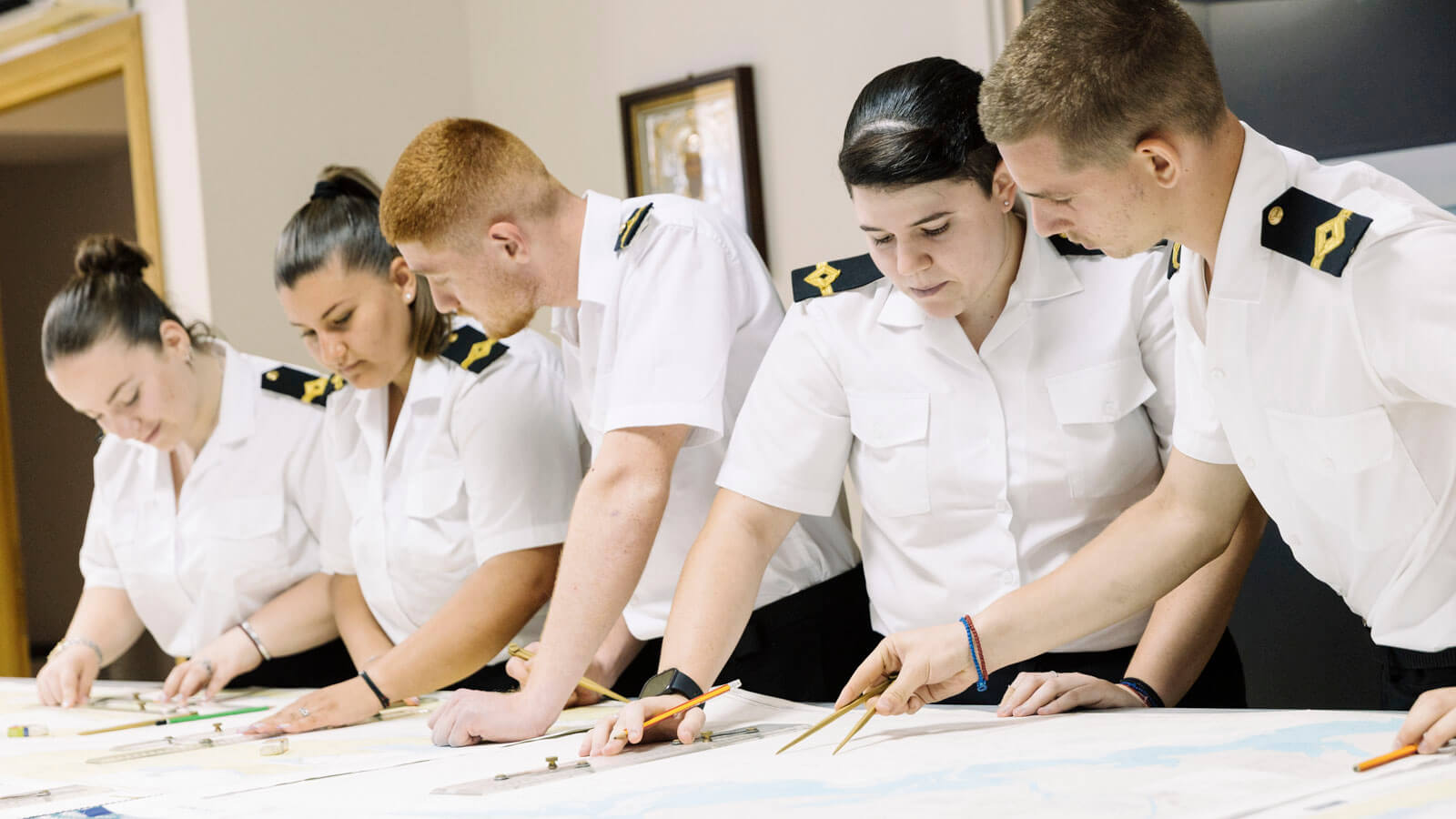
Photographically, Oinousses became the core of the project. I focused on repetition, structure, and presence—corridors, uniforms, gestures, and small details that reveal how individuals evolve through training. There is a quiet concentration in the way cadets interact, already adapting to the expectations of a maritime career.
A phrase often heard locally—“from sheep to ship”—captures the transformation of the island’s identity. Within the academy, this transformation is ongoing. Students from diverse backgrounds gradually integrate into a system that reflects the precision and demands of the global maritime and shipping industry.
Across all locations, my focus remained on how space shapes behavior. These are environments built on discipline, repetition, and responsibility—qualities essential not only in education but also in corporate and maritime contexts. The images reflect this approach: structured, observational, and grounded in real moments.
This work is part of my broader practice as a photographer based in Athens, Greece, specializing in corporate and maritime photography projects. It explores how identity is formed within working environments—especially those connected to the sea, where tradition meets modern industry.
In Chios and Oinousses, everything is interconnected: people, places, and purpose. The sea may not always be visible—but within the world of shipping, maritime training and cadet life, it is always present.
The research and main text made by the editor Giannis Papadimitriou.


Will Dubai save the pistachio trees?
Two weeks ago, I was invited to photograph a feature story for Kathimerini that touched me deeply—not just as a photographer, but as someone who has spent years working with Greek landscapes and specially in Aegina Island which is my homeland.
Written by Alexia Kalaitzi, the article explores a question: “Will Dubai save Aegina’s pistachios?”
“Getting off the ship at the port of Aegina, one of the first images you see is the queues of visitors forming in front of the kiosks selling the famous Aegina pistachios. The frenzy with Dubai chocolate – a chocolate bar with a filling made of kadayif/kataifi and pistachio – has not left the Saronic island, which has given its name to the most famous variety of pistachio in Greece, unaffected.”
“You have to love the pistachio tree, the other person will not love them as much as you do. He will not be as interested,” said Eleni Kypraiou. The 88-year-old moved permanently to Aegina in 2006, just after completing her career in journalism, and since then she has been dedicated and passionate about her pistachio estate”. I photographed in one of the most emotional moments of the assignment—arms wrapped around a tree she’s tended for decades.” said grower Eleni Kypraiou, who I photographed in one of the most emotional moments of the assignment—arms wrapped around a tree she’s tended for decades.
Nikos Kounadis, supervisor of the Aegina Agricultural Cooperative of Pistachio Producers, was in an empty cold storage room when he told me, “We have nothing left for this year.” He explained that milder winters in recent years—with decreased rainfall and fewer cold days, but more warm and sunny days—have caused the buds of the trees to fall prematurely.
“However, climatic conditions are not the only issue,” said Kostas Peppas, president of the cooperative. He shared that it has been years since a new pistachio tree was planted on the island. “In Aegina, pistachio trees no longer grow – houses do,” the 81-year-old noted, adding that not only is there no longer any room to plant new trees, but existing ones are also being uprooted to build holiday homes, many of which are rented out as Airbnbs.
According to the cooperative’s estimate, since 1980—when the last assessment was made—approximately 30,000 trees have been lost, corresponding to 247 acres of land.
In one of the last images from the story, a building’s concrete frame rises from within a pistachio grove. Construction driven by tourism has led to a significant decline in pistachio trees on Aegina.


