
Hellenic Army Academy Evelpidon for Kappa Magazine
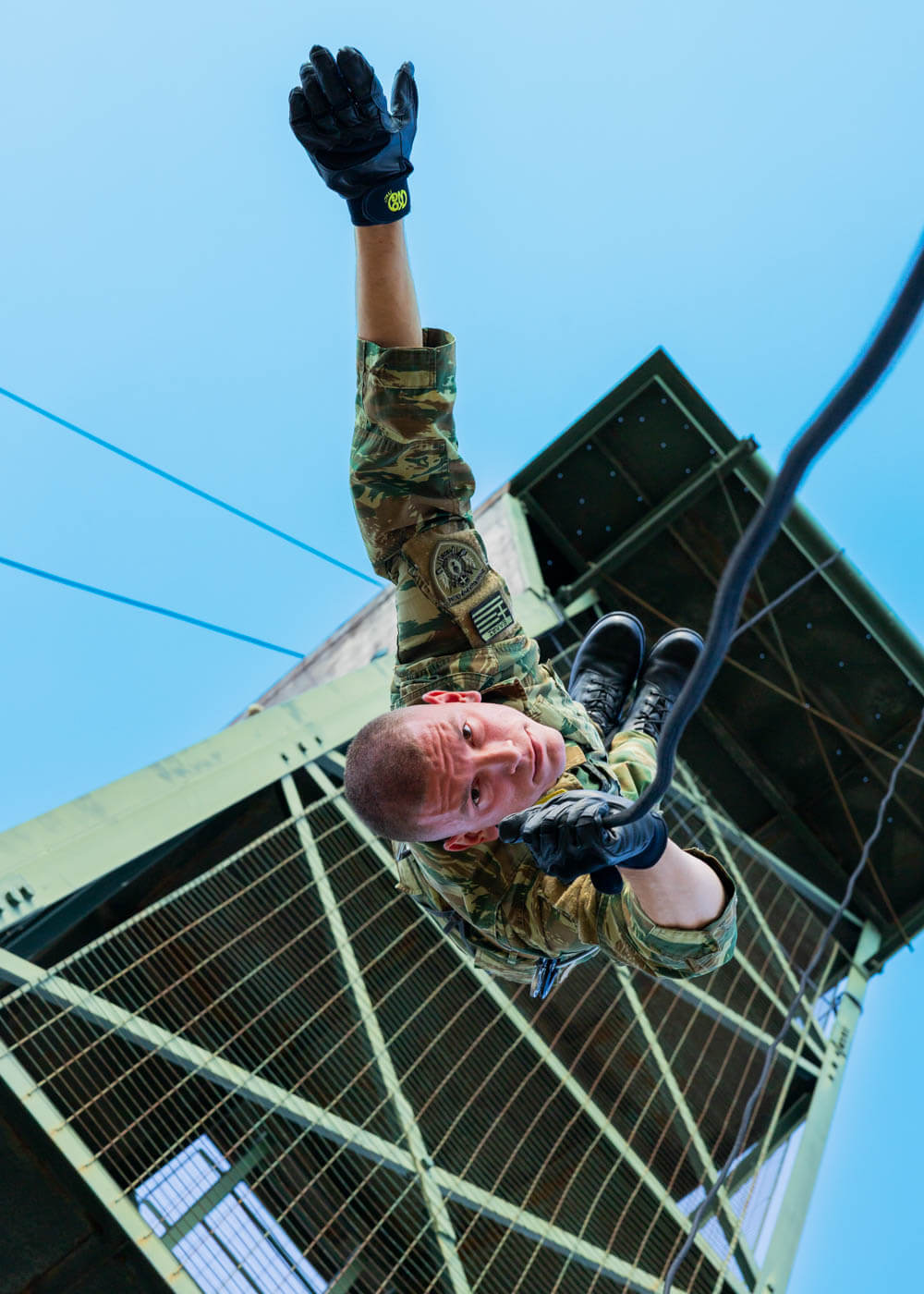
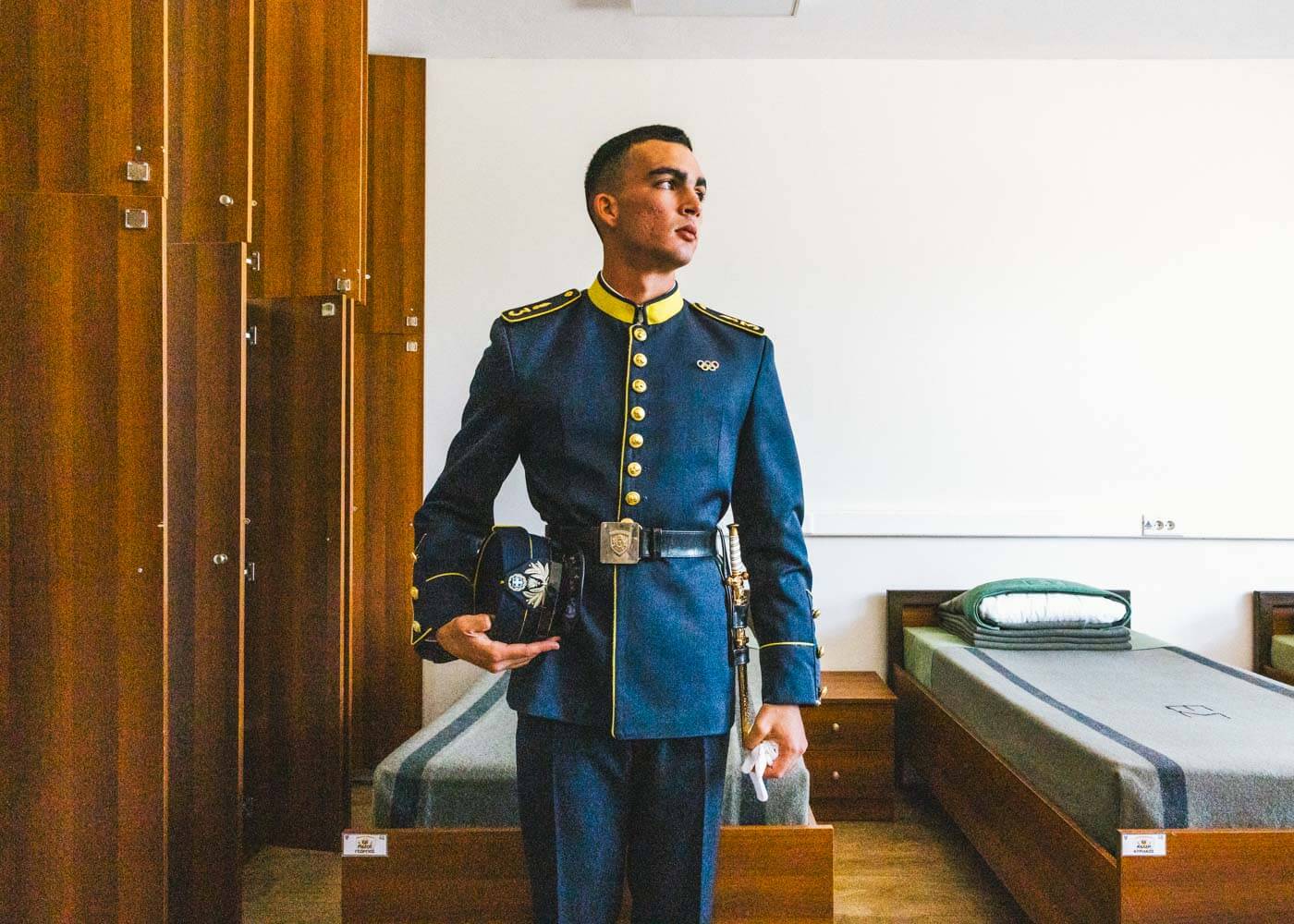
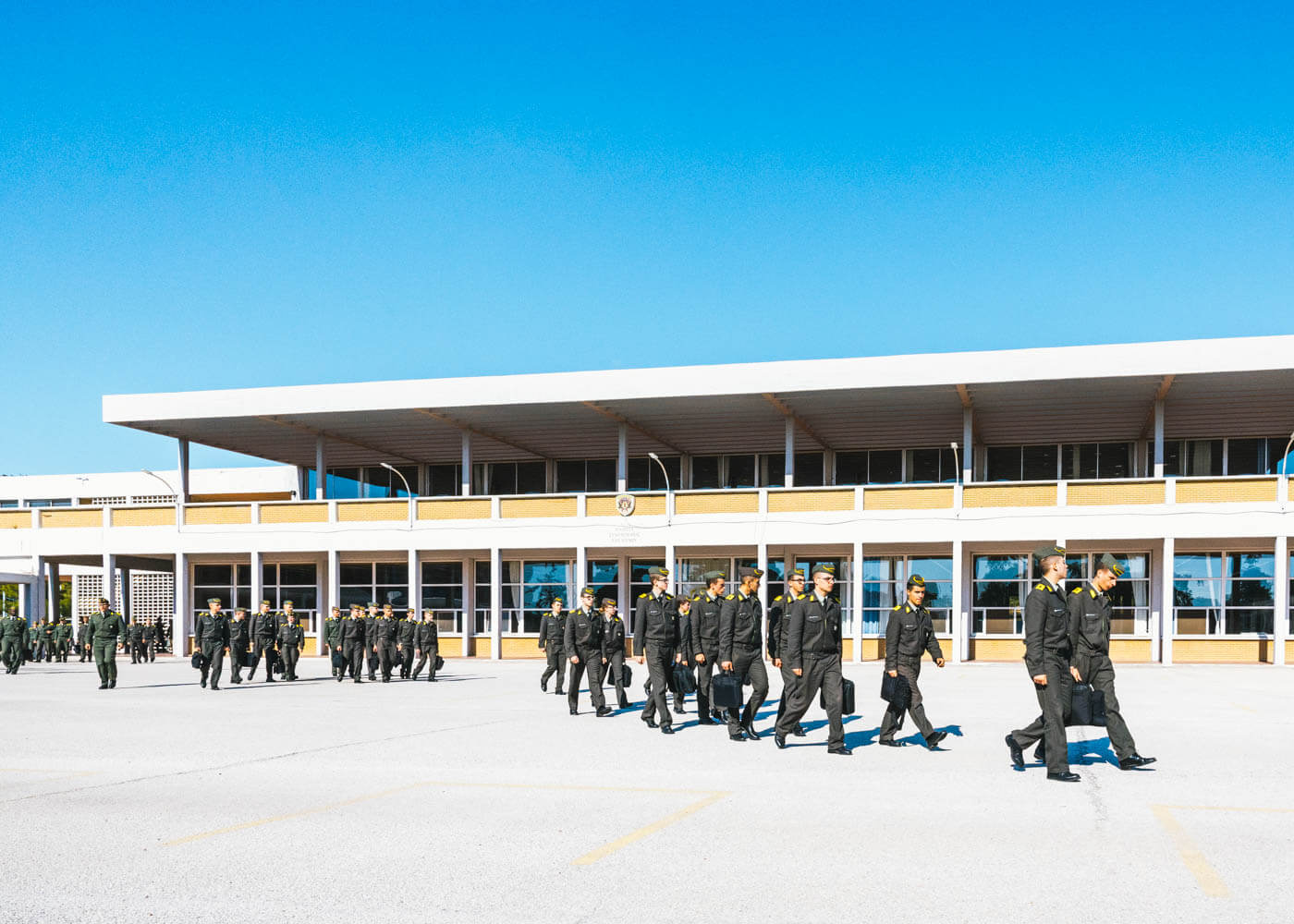
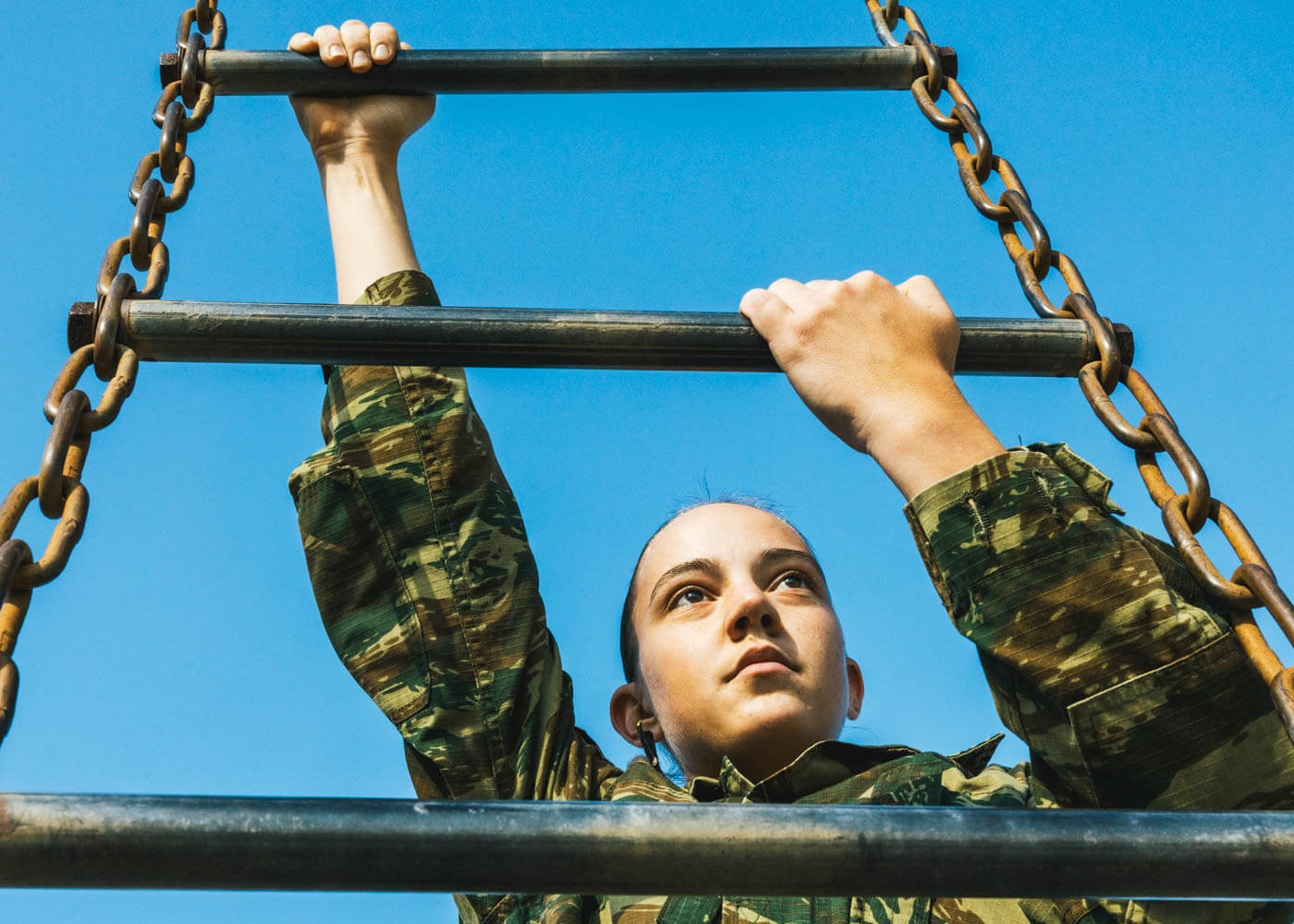
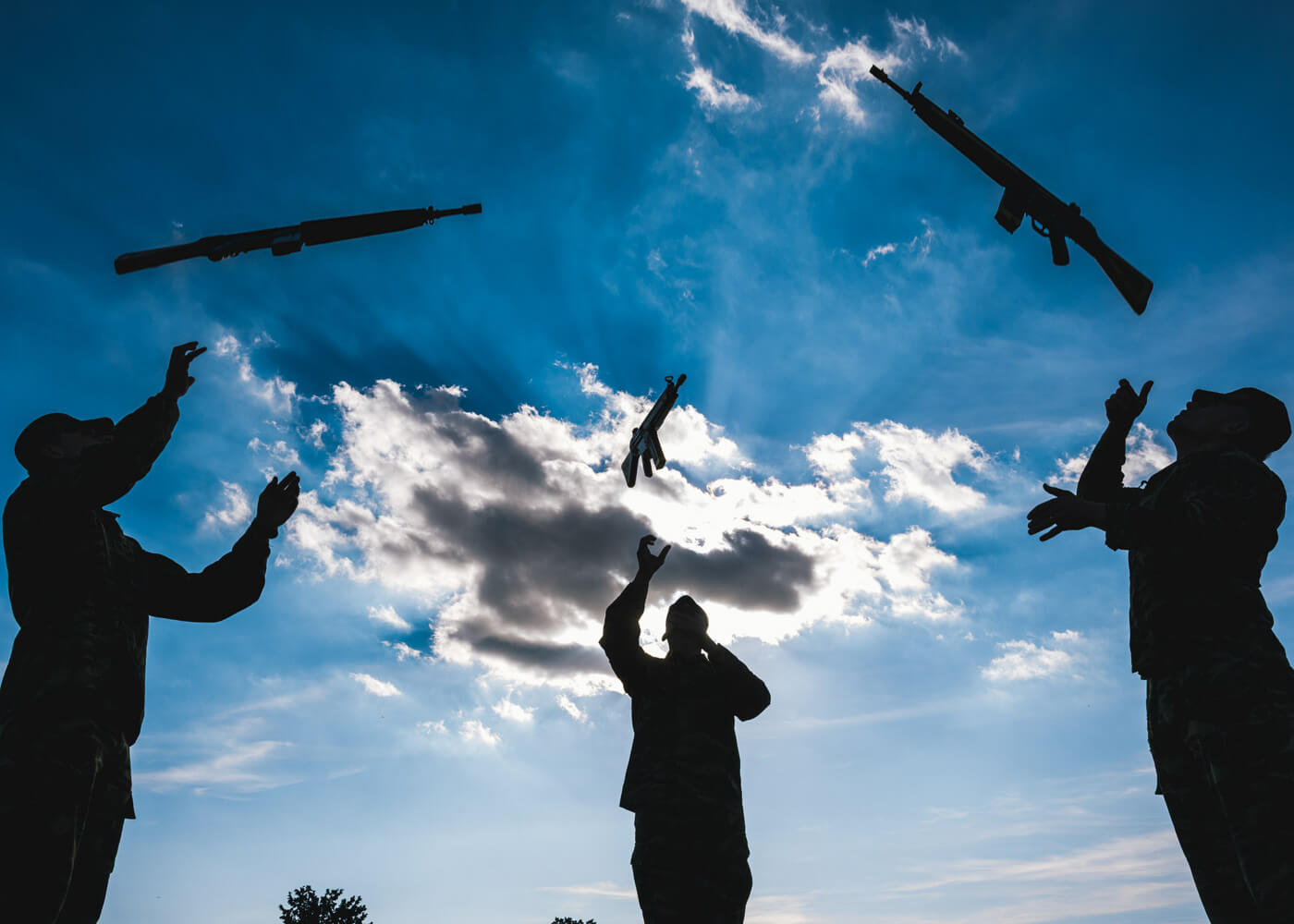
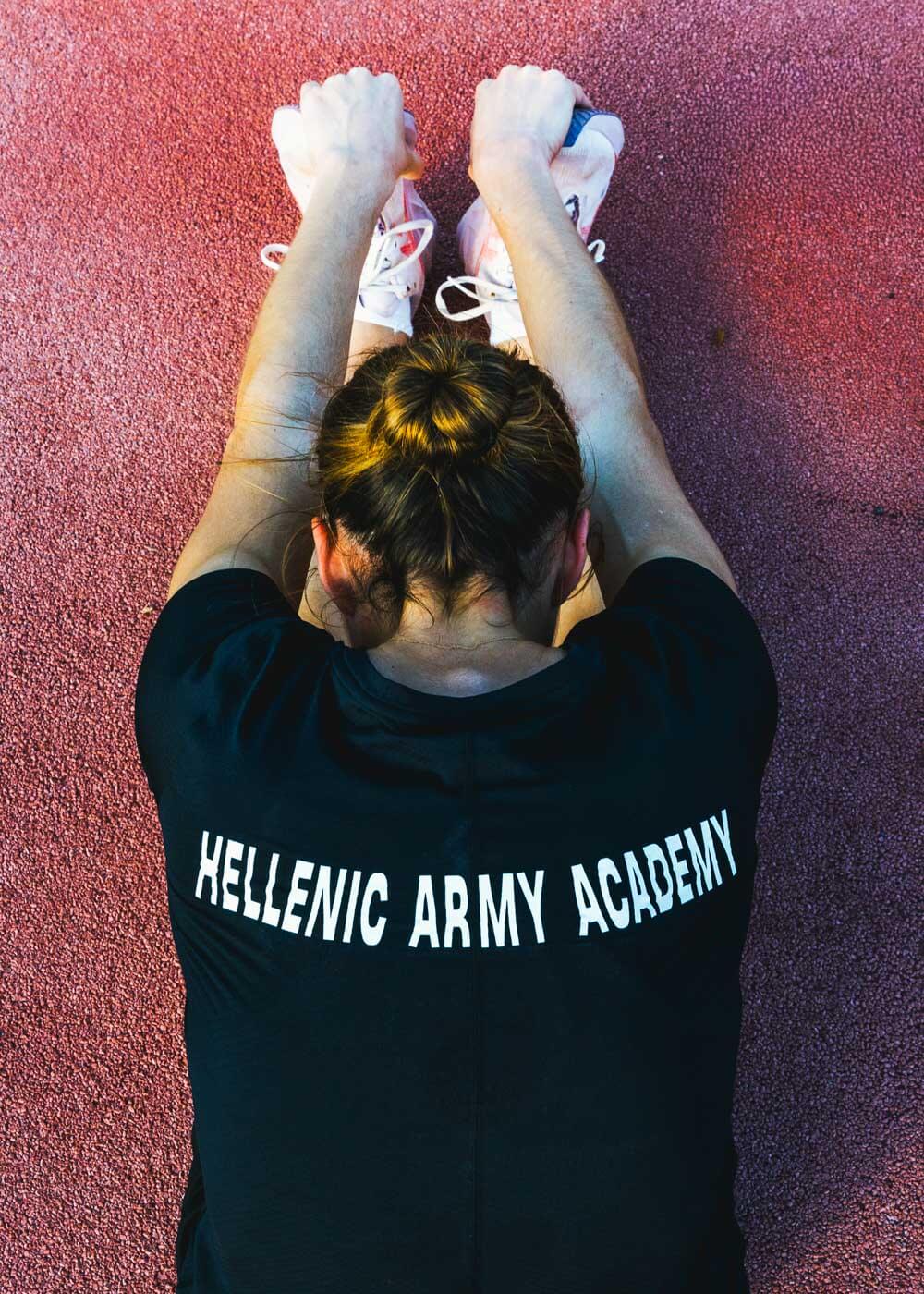
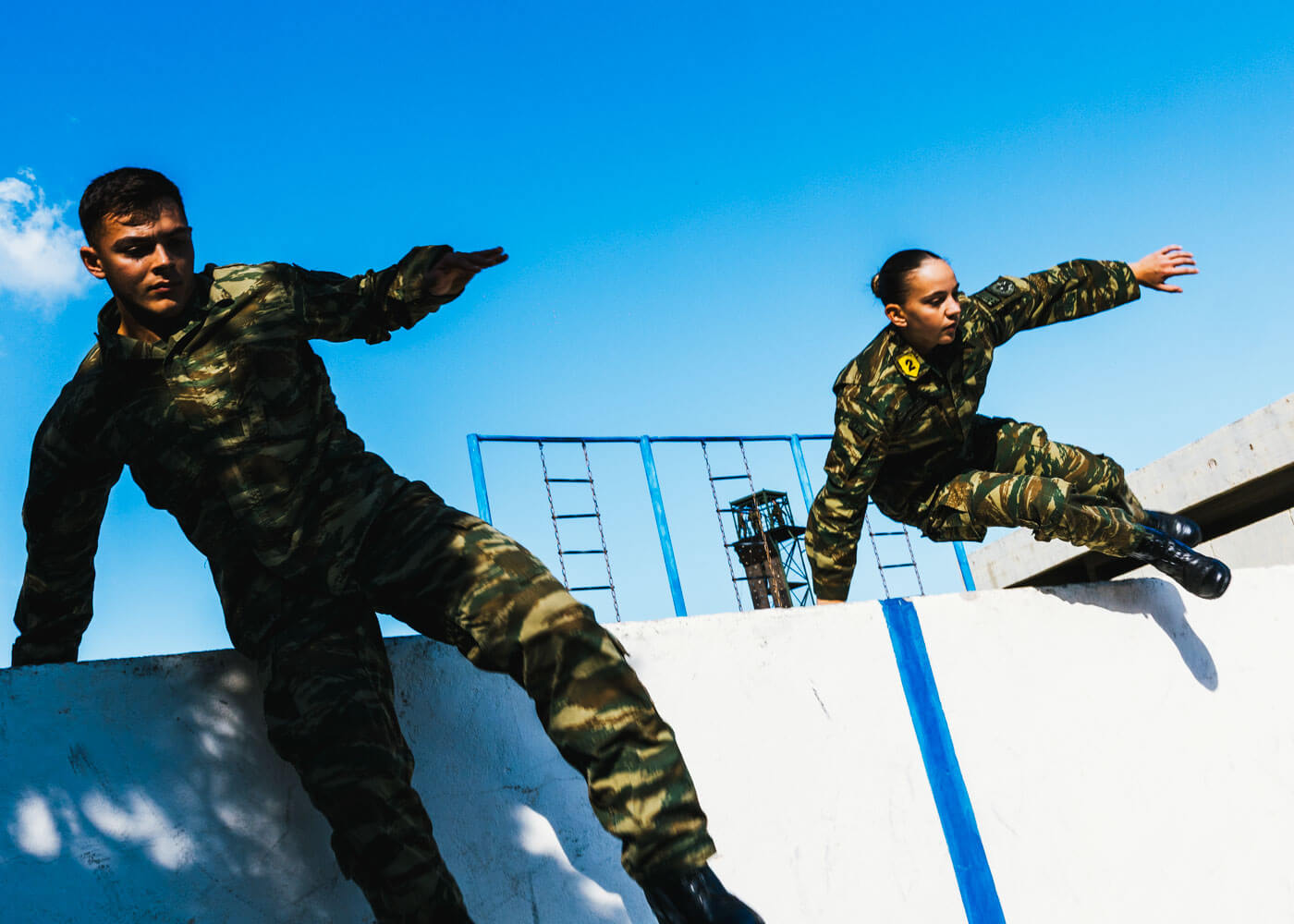
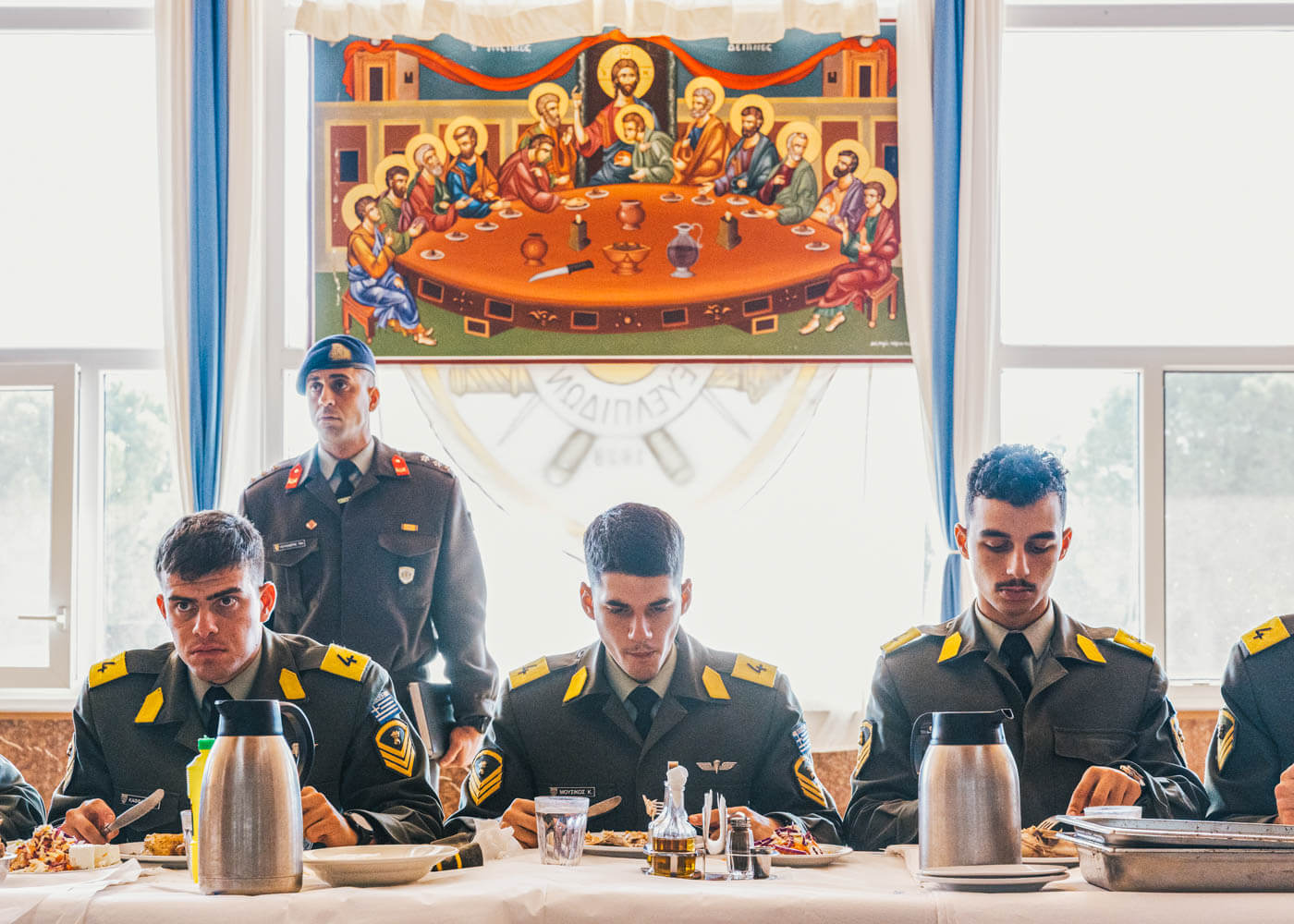
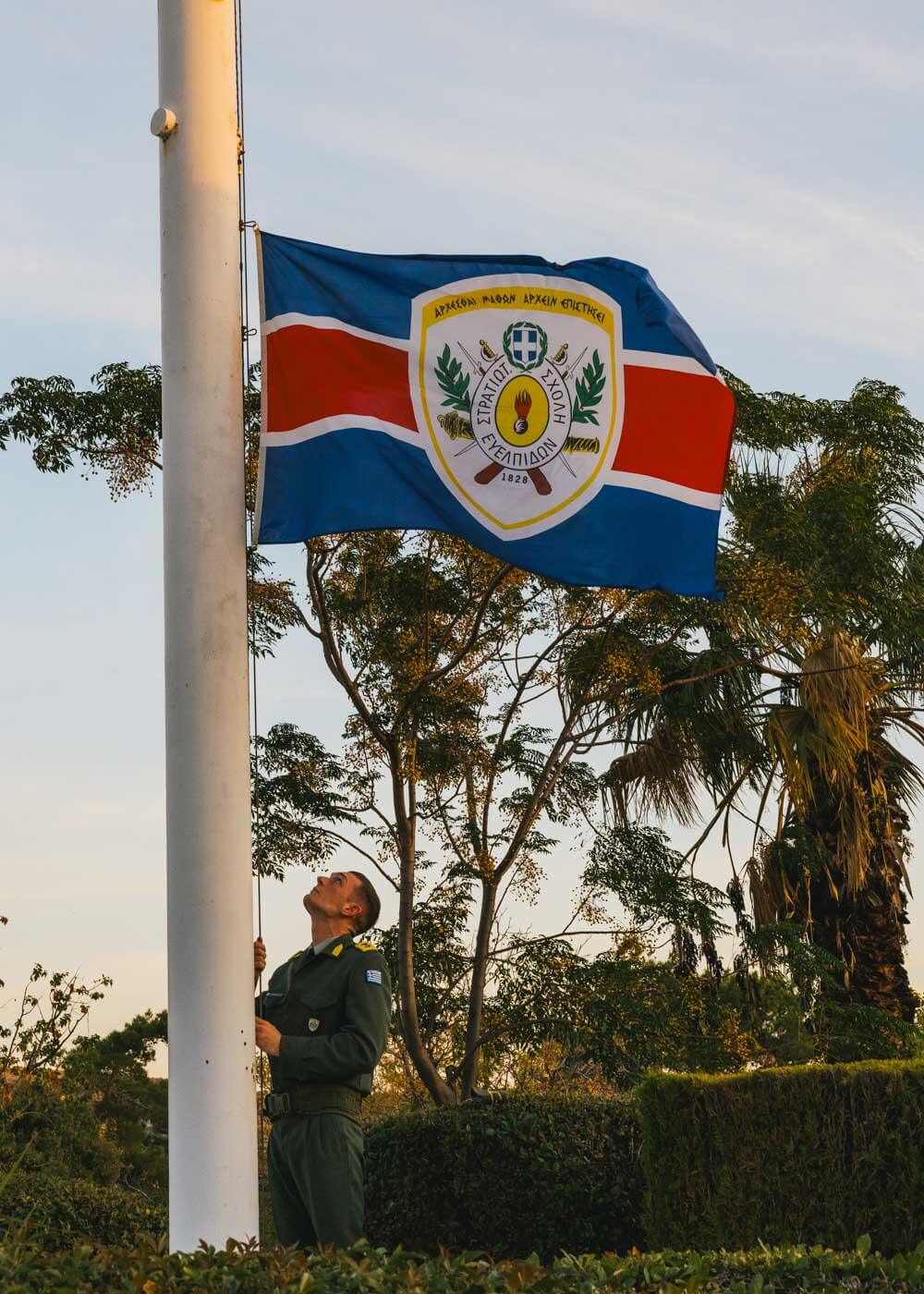
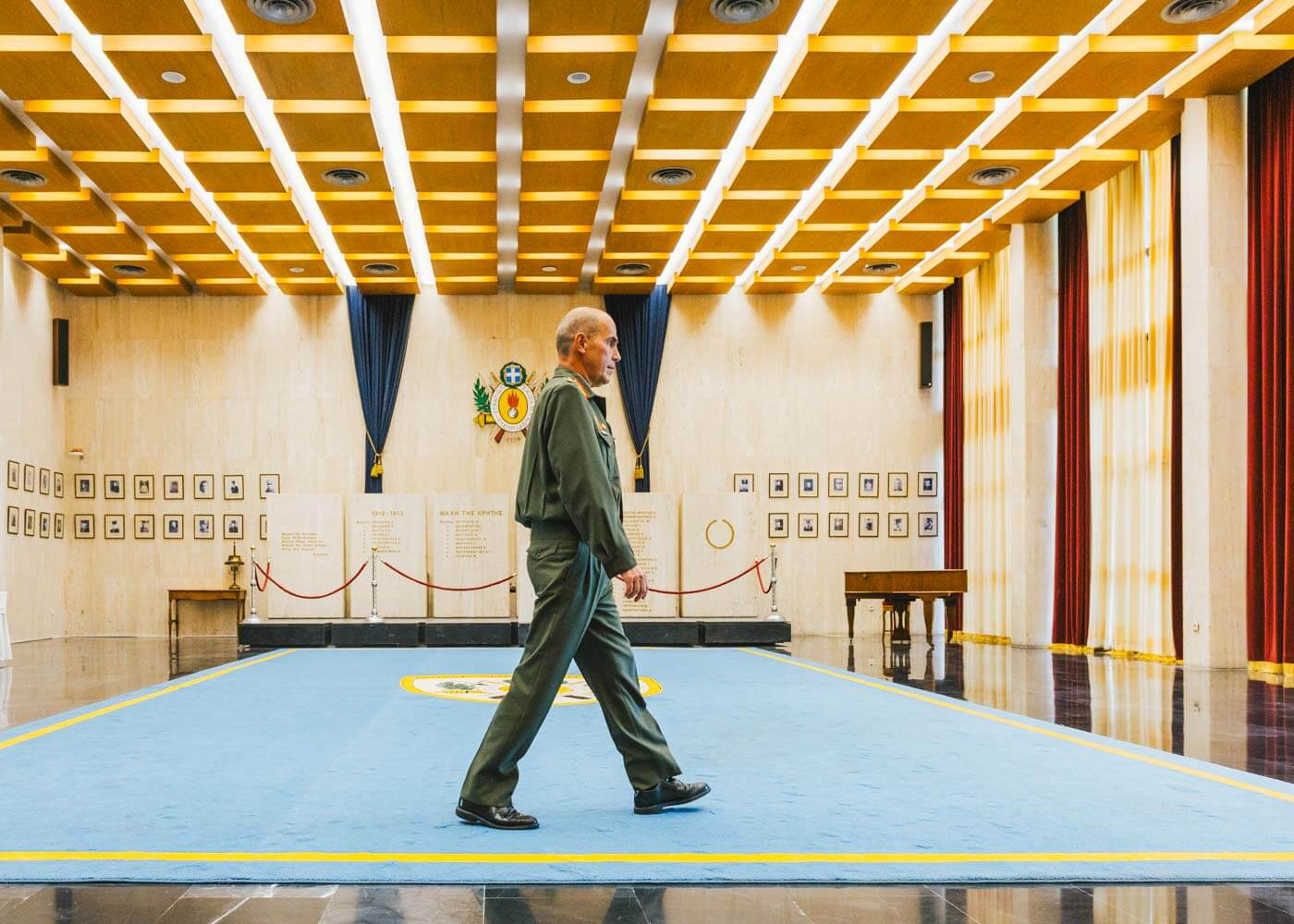
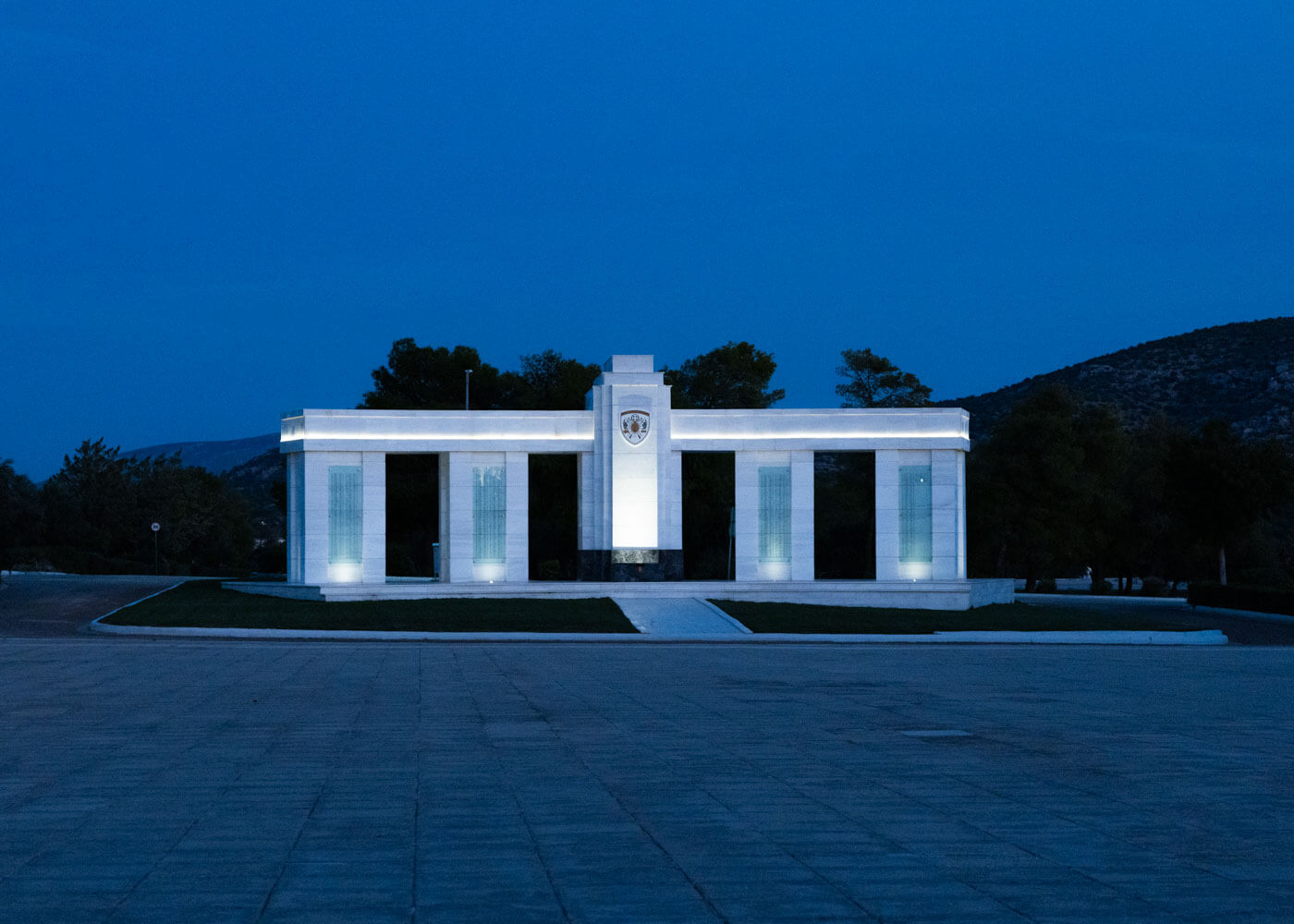
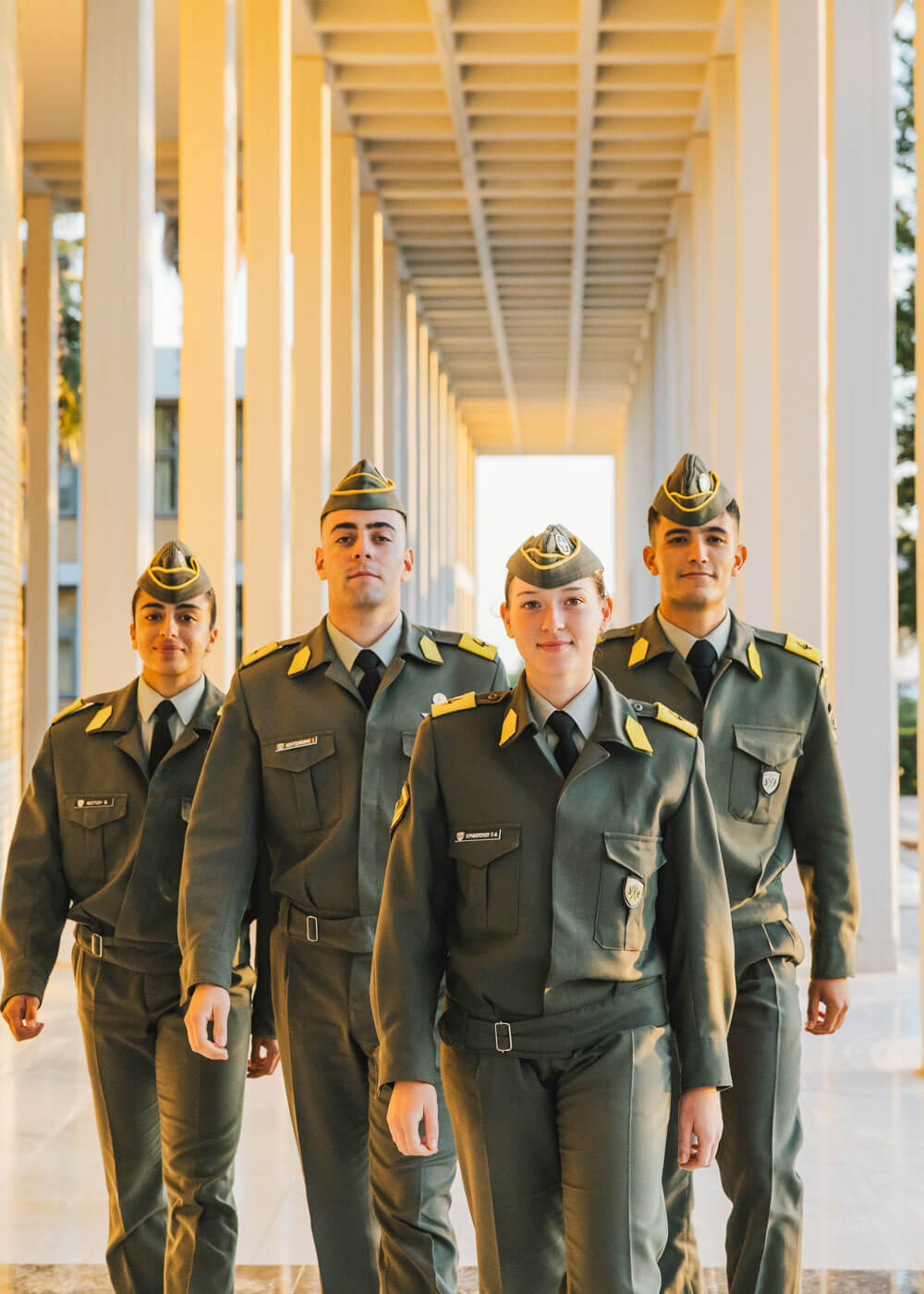
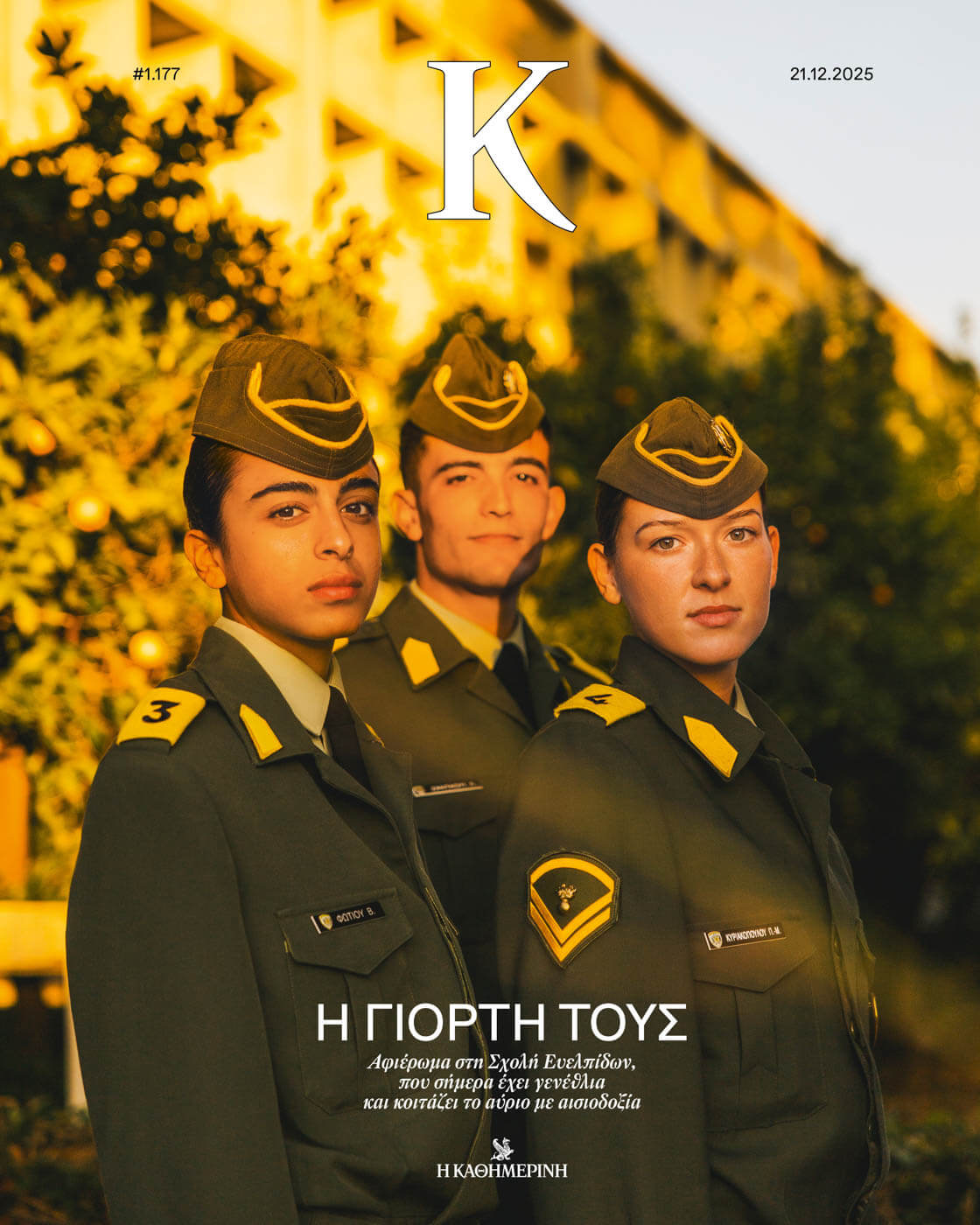
For this documentary photography assignment for the Greek magazine "Kappa" of Kathimerini News, I spent a full day inside the Hellenic Military Academy "Scholi Evelpidon" in Vari, Athens, on the occasion of its anniversary founded on December 21, 1828. The visit offered a rare opportunity to look beyond the institution’s formal image and vissually explore how one of Greece’s oldest military schools is redefining itself for the future.
What becomes clear almost immediately is that today’s Evelpidon is no longer an isolated, inward-looking military environment. According to the Academy’s Commandant, Major General Anastasios Polychronos, openness and international engagement are now central pillars of its philosophy. Cadets participate in international exchange programs, including Erasmus initiatives and visits to European and NATO institutions, allowing them to train alongside peers from abroad and develop a shared professional mindset within a global framework.
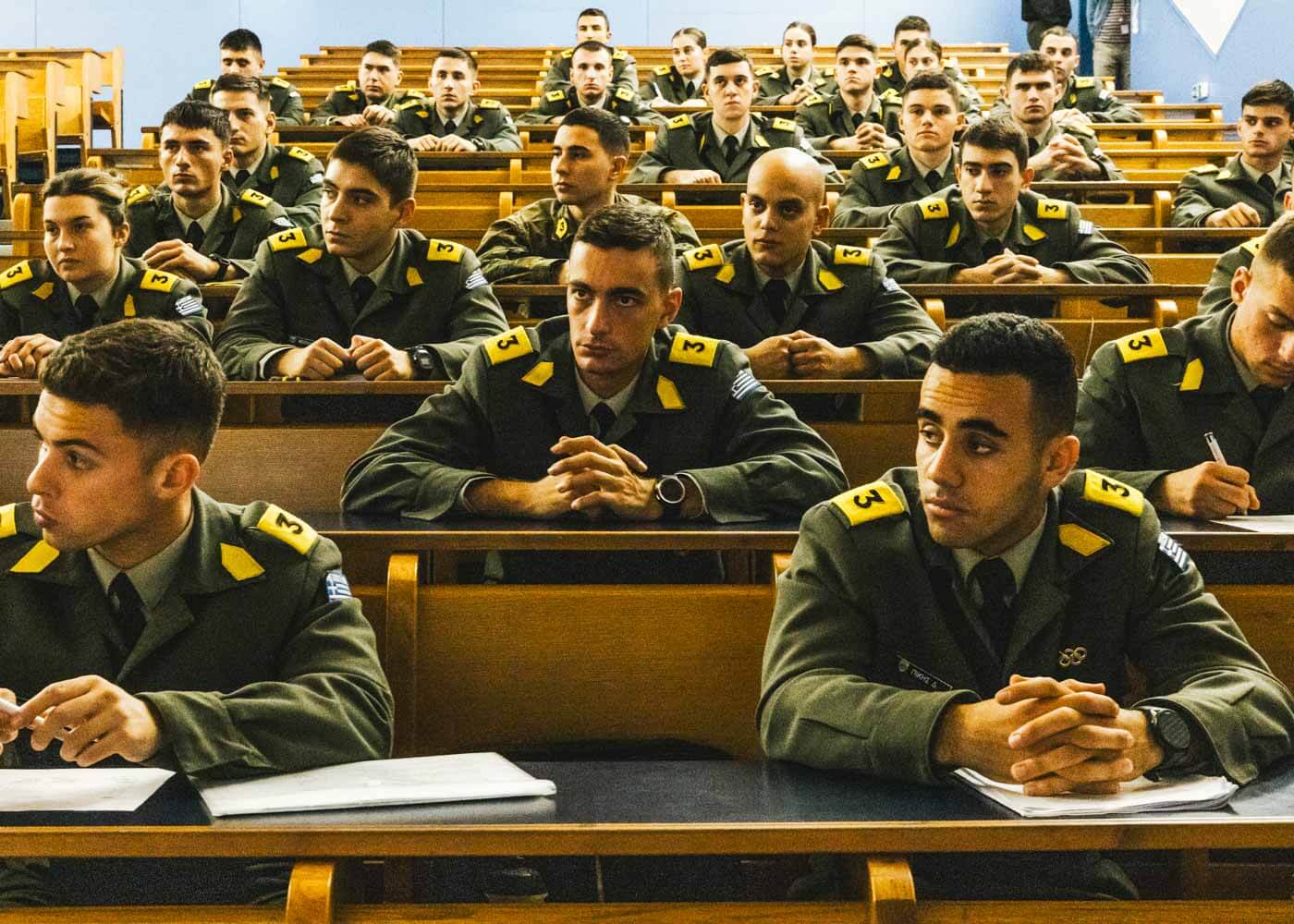
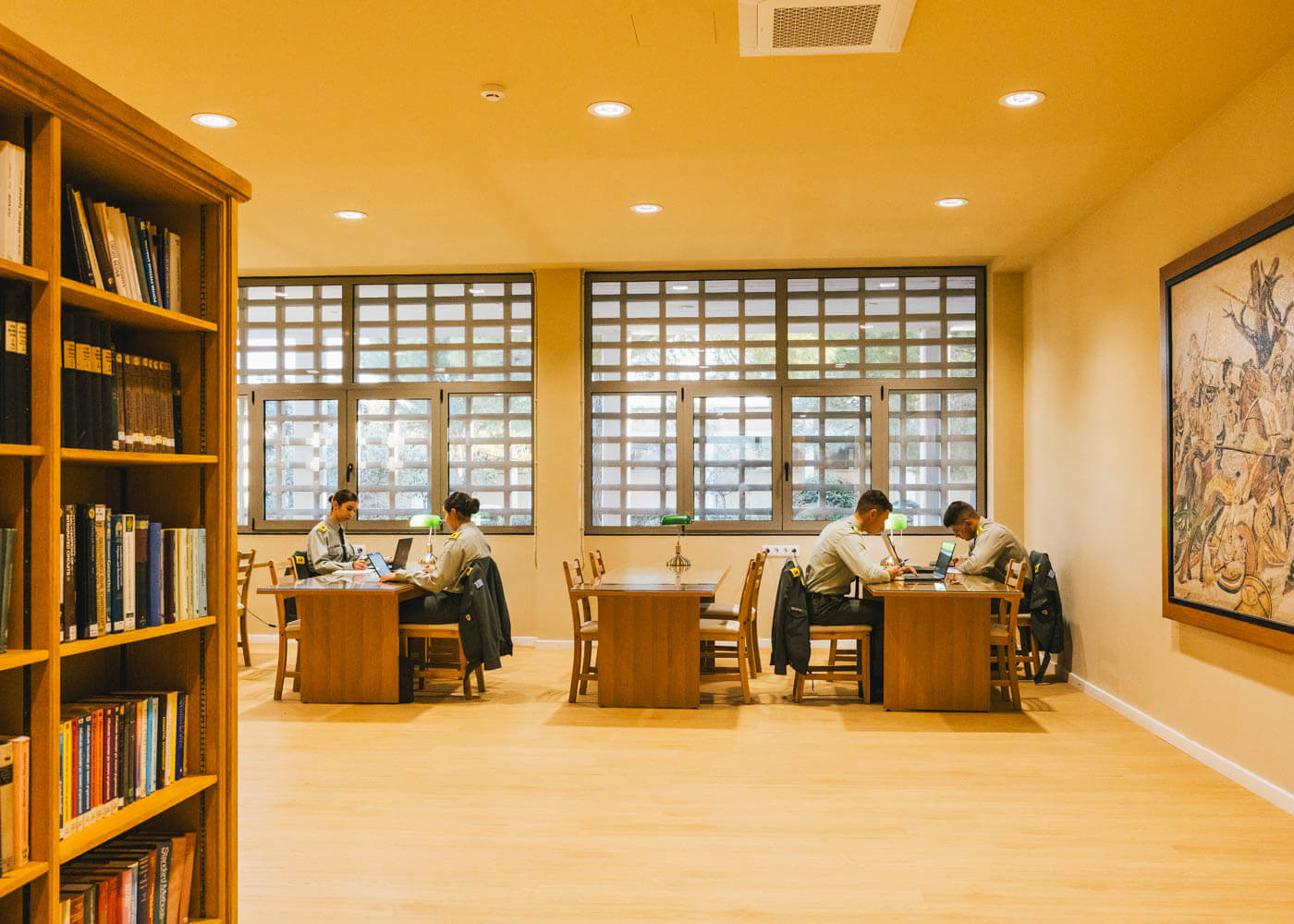
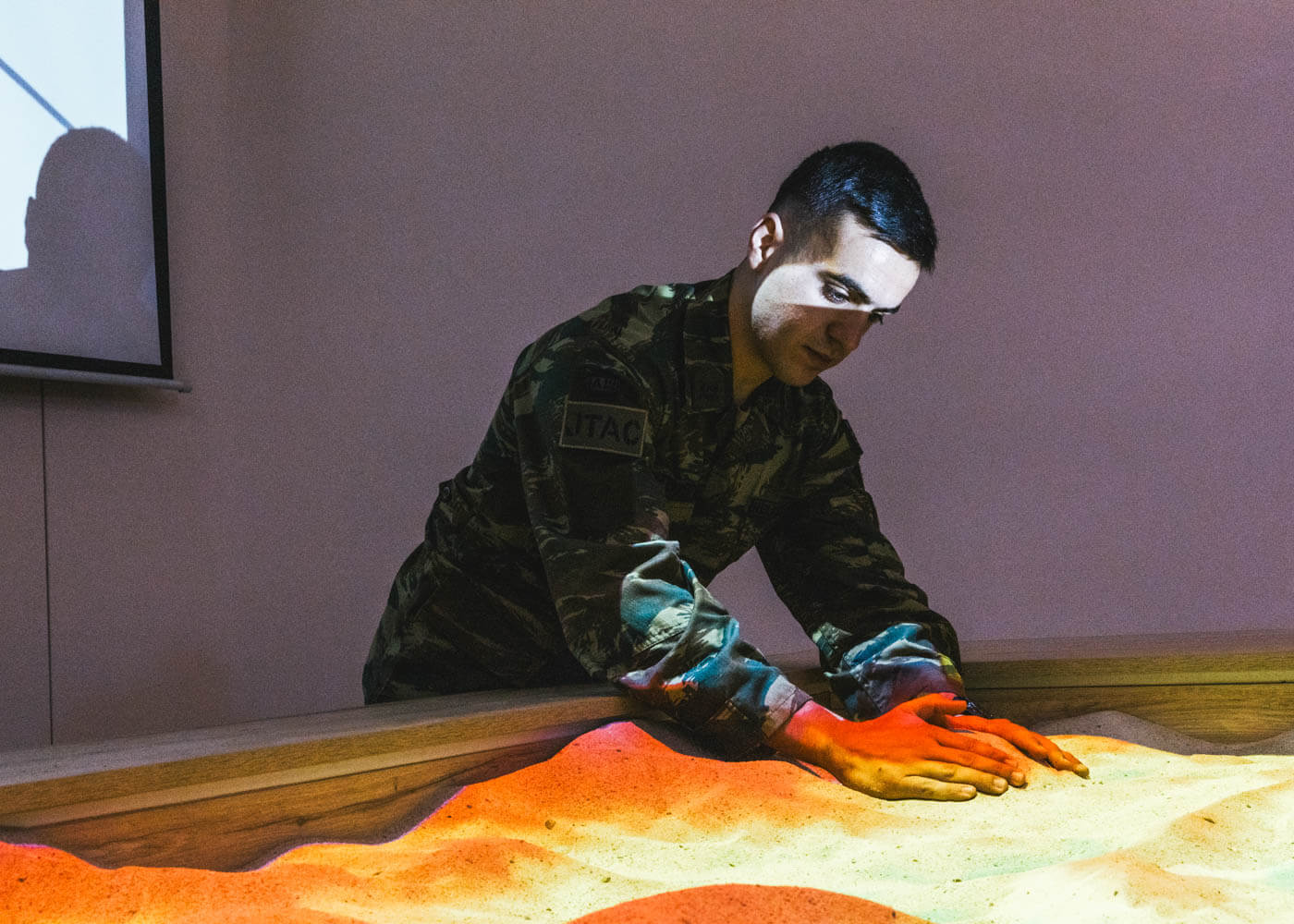
The Academy now operates as both a military and academic institution. Its modern campus—spanning approximately 68,000 square meters—resembles a contemporary university more than a traditional barracks. Lecture halls, laboratories, and research facilities support a demanding curriculum that ranges from humanities and engineering to artificial intelligence and emerging technologies.
Most of the Cadets that taking the decision to get in to Evelpidon is driven by personal motivation rather than career certainty alone. Some others by their family tradition in military career. Cadets describe the experience transformative, equipping them with skills that extend far beyond military service. Female cadets emphasize that while expectations are high, opportunities are equal, and progress is based on merit rather than gender—reflecting the Academy’s evolving culture.
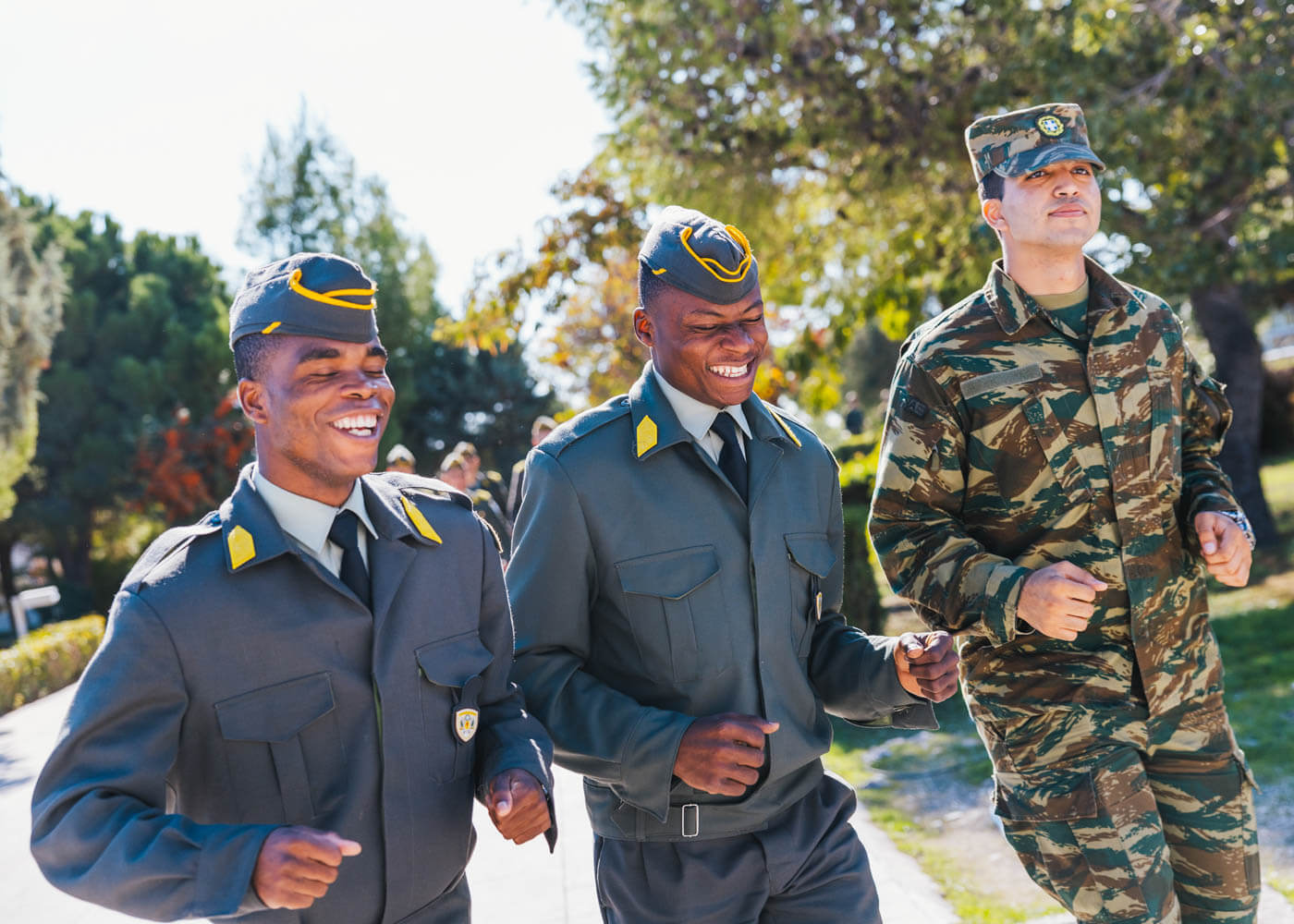
One of the most striking aspects of the Academy today is its multicultural character. Students from Greece and countries such as Armenia, Tunisia, and various African nations train and study together. International cadets highlighting Greece’s history and culture as key reasons they chose Evelpidon. The Academy becomes a meeting point of different backgrounds united by shared discipline and ambition. Physical training remains a core component of daily life. From obstacle courses and climbing exercises to long-distance running. Cadets training has evolved as well. Programs are now designed using scientific methods with personalized exercise routines and nutritional planning tailored to each individual’s needs and performance.
Between history and innovation, national tradition and international outlook, discipline and education. The Hellenic Military Academy stands as an institution that honors its past while actively shaping the officers of tomorrow.
A summary from the original article and cover story printed and published in 21 Dec 2025 written by George Robollas.






Dimitris Papadimitriou
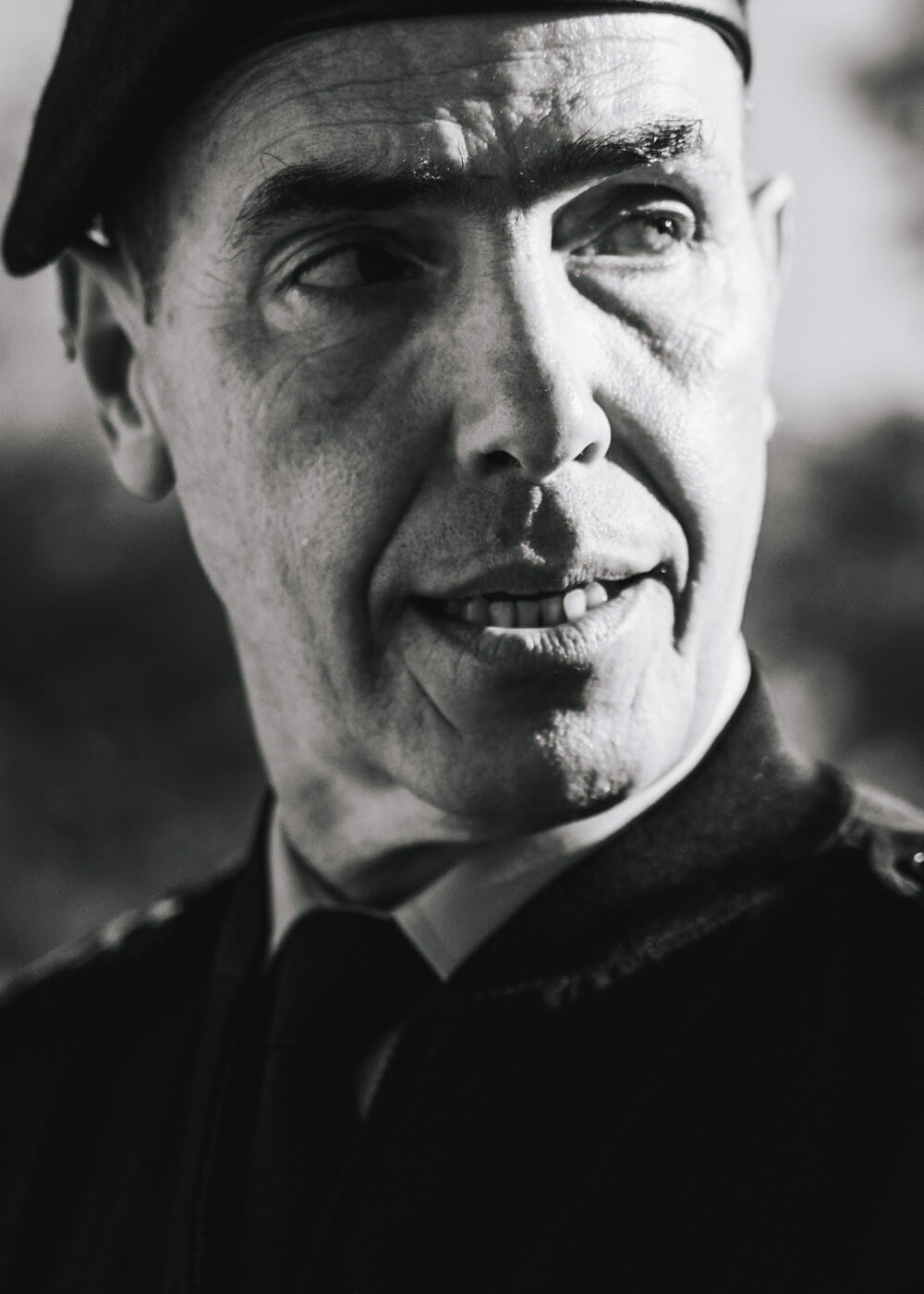
With the title "Cooking is inner prayer", Gastronomos magazine, host the interview of the composer Dimitris Papadimitriou for the August issue. His portrait photography took place at his home accompanied with the great taste of his recipes and an interesting conversation about his music experiences.
Music for cinema, theater and television, symphonic works, pioneering actions and vision. The composer Dimitris Papadimitriou It is still thirsty, after forty years of creation, and quenches the thirst of its recipients. With its prestige and consistent attitude, it brings together artists and people with similar concerns, at the same time giving a step to younger people to show their talents. He is steeped in our popular wealth, he owns its secrets and peculiarities, he knows deeply the ways and places of his libation. His folk songs have his "academic" aura, but they are not ossified, that is why they were sung, loved, they were even danced by the crowd, and most importantly, they stayed!
Quiet strength. It has a "plan", earthly, but also transcendental at the same time. Global, cosmopolitan, that is to say "Greek". He becomes a heretic to forge new paths, he becomes a "wrecker" to flatten swampy stereotypes and build new bridges. He loves cooking and has even received professional offers for his performance. So, my invitation for a culinary interview in a meal at his house. Dimitris Papadimitriou is a hospitable host. The space is similar to his work, flooded with unique art objects, some of which have family roots.
Text by Kostas Balachoutis
Dimitris Papadimitriou has written symphonic works, pieces for solo instruments and combinations of instruments, music for theater and for Greek cinema (Electric Angel, Revenge, Archangel of Passion, The Tree We Hurt, Victory of Samothrace, Lovers in the Time Machine, The Life One and a Half Thousand, The Light Going Out etc.), for Greek television and for television series in Sweden, France, Germany and elsewhere. The general public discovered him because of television.
Known from the beginning of the 1980s until today for his fine compositions, several of which dressed up well-known television hits (such as Anastasia by Giorgos Kordellas in a script by Mirela Papaikonomou, Don't Be Afraid of Fire, Due to Honor, Life which I did not live, Leni and the Witches of Smyrna), Dimitris Papadimitriou has also collaborated with Eleftheria Arvanitaki in a cycle of songs with the general title Songs for the Months, where he set well-known Greek poets to music.
In 2003 he took over as director of the Third Program and in September 2010 general director of Hellenic Radio[5]. Busy but versatile, after his long-term presence in the administration of ERT radio, he founded the Greek Project, a non-profit organization for the promotion of Greek and not only music[6]. In 2006 he gave a concert in the General Assembly Hall of the United Nations Organization on the occasion of the organization's 60th birthday. He was born in Alexandria, Egypt in 1958.