
Childhood, Memory and Summer in Greece for K Magazine Cover
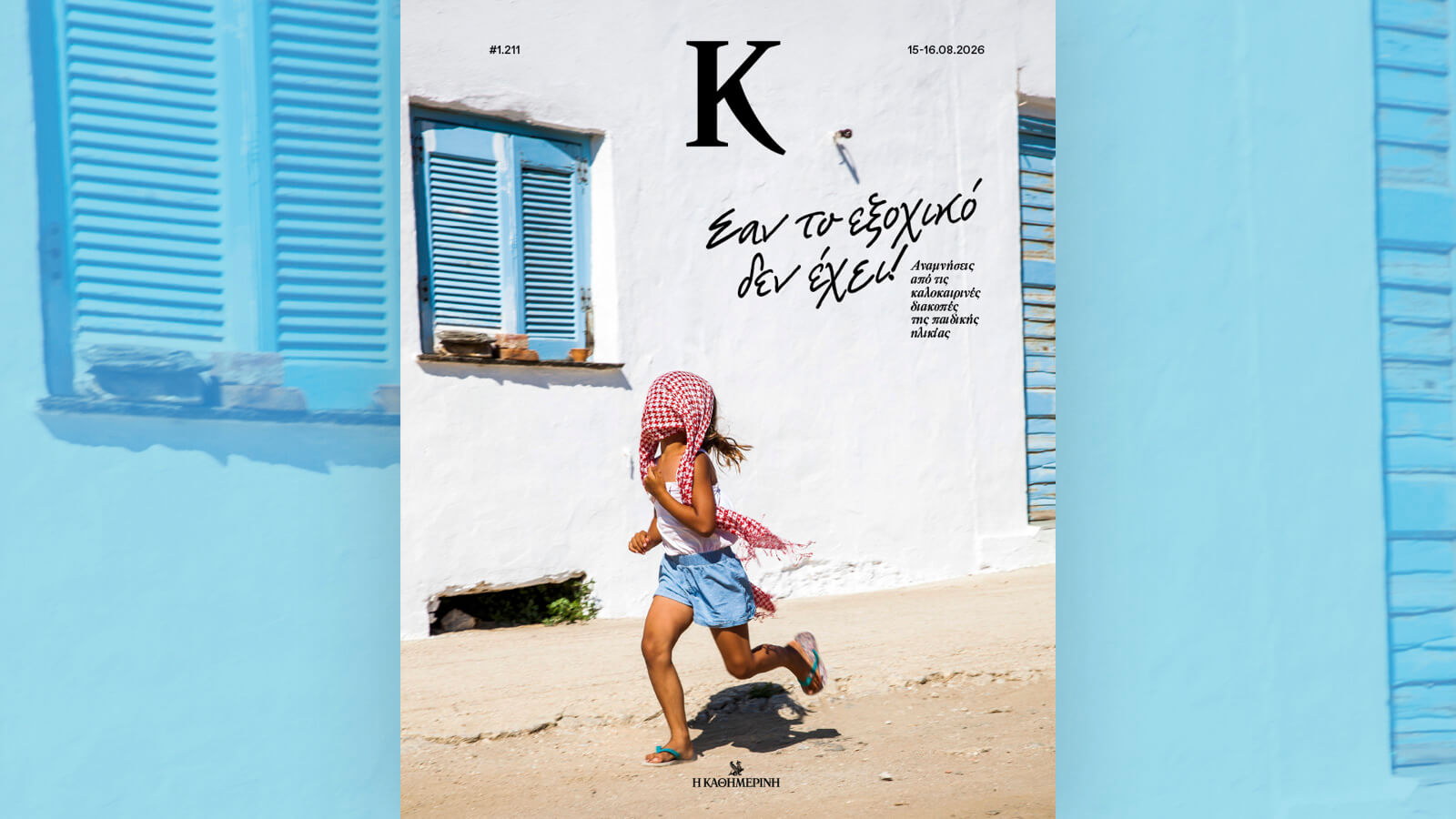
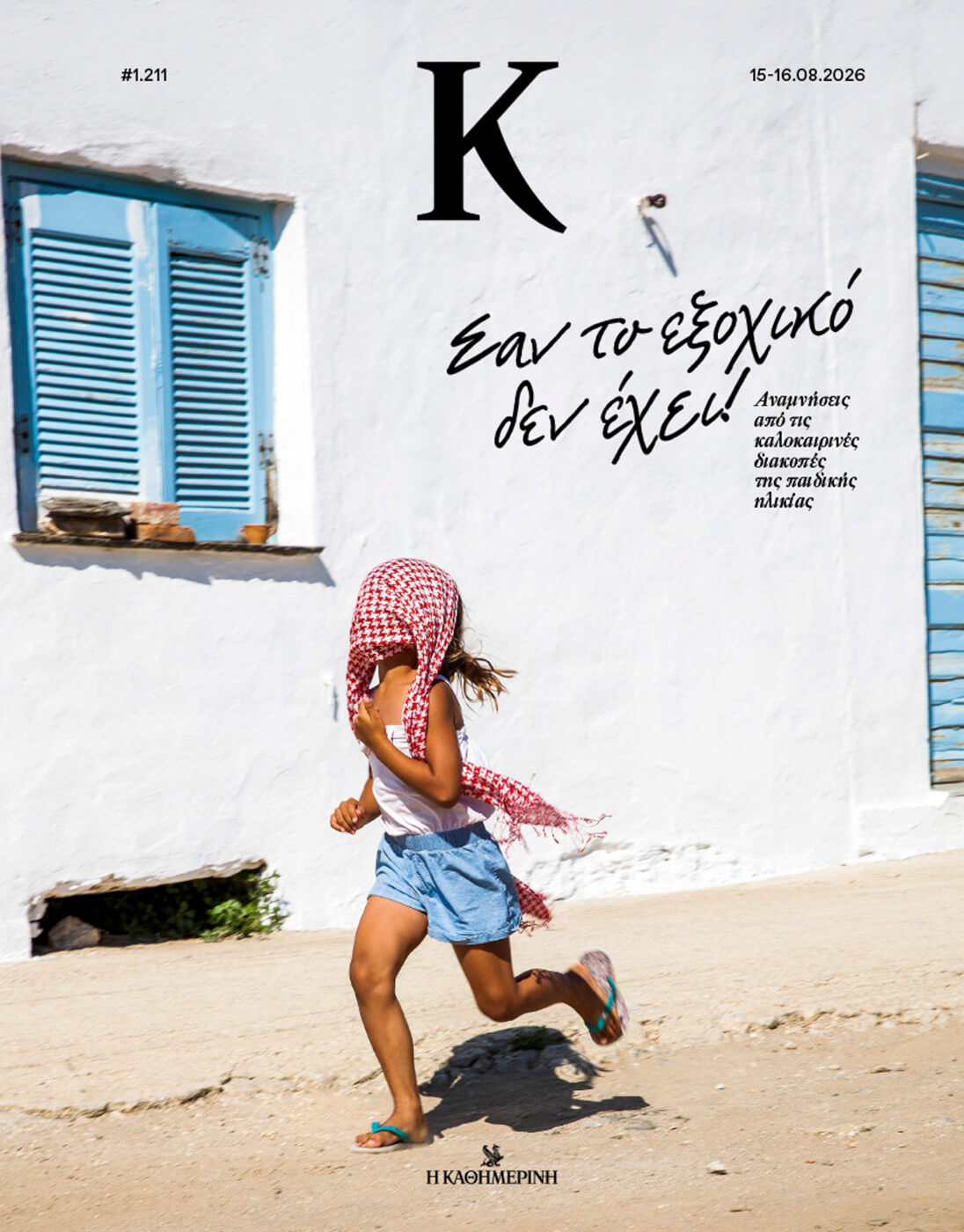
My photograph on the latest cover of K Magazine of Kathimerini.
The article writen by Dionysis Marinos, Looks back at one of the most familiar and emotionally charged experiences of the Greek summer: the family holiday home. Under the title «Σαν το εξοχικό δεν έχει!» (“There’s Nothing Like the Summer House”), the feature explores the memories, rituals and sense of freedom connected with the places where generations of Greeks spent their childhood summers.
The story brings together the personal memories of two writers, one journalist and four actors. Through their individual stories, the holiday home becomes much more than a second residence. It is a place associated with family, friendship and the feeling of returning somewhere familiar. From the gardens of Evia and the beaches of the Cyclades to Crete, Loutraki, Aegina and Paros, the contributors recall long days outdoors, games, shared meals, sleeping under the stars and the simple freedom that defined summer childhood.
The article also reflects on the particular place of the exochiko in Greek culture. For decades, owning or sharing a holiday home became part of the Greek idea of summer—a place where families gathered and where memories were built collectively. Today, as travel habits and economic realities change, these homes continue to represent an alternative to conventional tourism: a familiar space opened to friends and relatives, where the experience of summer is shaped as much by the people as by the destination.
For me, it was a particular honour to have one of my photographs selected for the cover of this issue of Kappa Magazine. It is one of my favorite summer photographs ever made. A portrait photograph of little girl running outside a basic vacation home in Sifnos Island Greece captured in 2015, brings me back childhood memories like a journey through time. A return to a simpler, more carefree way of spending the summer, when holidays were about freedom, innocence and simplicity. That kind of carefree life, today feels almost like a luxury and those who are fortunate enough to experience it and share it with their children, are truly privileged people.
The image of a child running in front of a white Cycladic house captures a spontaneous and fleeting moment, but also reflects the central idea of the story: the freedom, movement and carefree spirit associated with childhood summers in Greece. As the visual introduction to the entire issue, the photograph became an important part of communicating its theme before the reader even opened the magazine.
The issue was published as K Magazine No. 1.211, with Kathimerini, on 15–16 August 2026.

Chios & Oinousses — Maritime Education
Chios and Oinousses are islands where the land seems to breathe with the sea and shaped by the lives devoted to it. Here, the horizon is not distant it is a direction. As a corporate photographer based in Athens, Greece, I moved through this maritime long term educational event following an invisible thread. A living network of maritime training, where each stage of learning flows into the next like a tide in motion. Created for Kathimerini’s Topoi Mas, this photographic tribute turns its gaze toward the human landscape of the shipping world—where discipline takes form, knowledge becomes practice, and the sea shapes those who choose it.
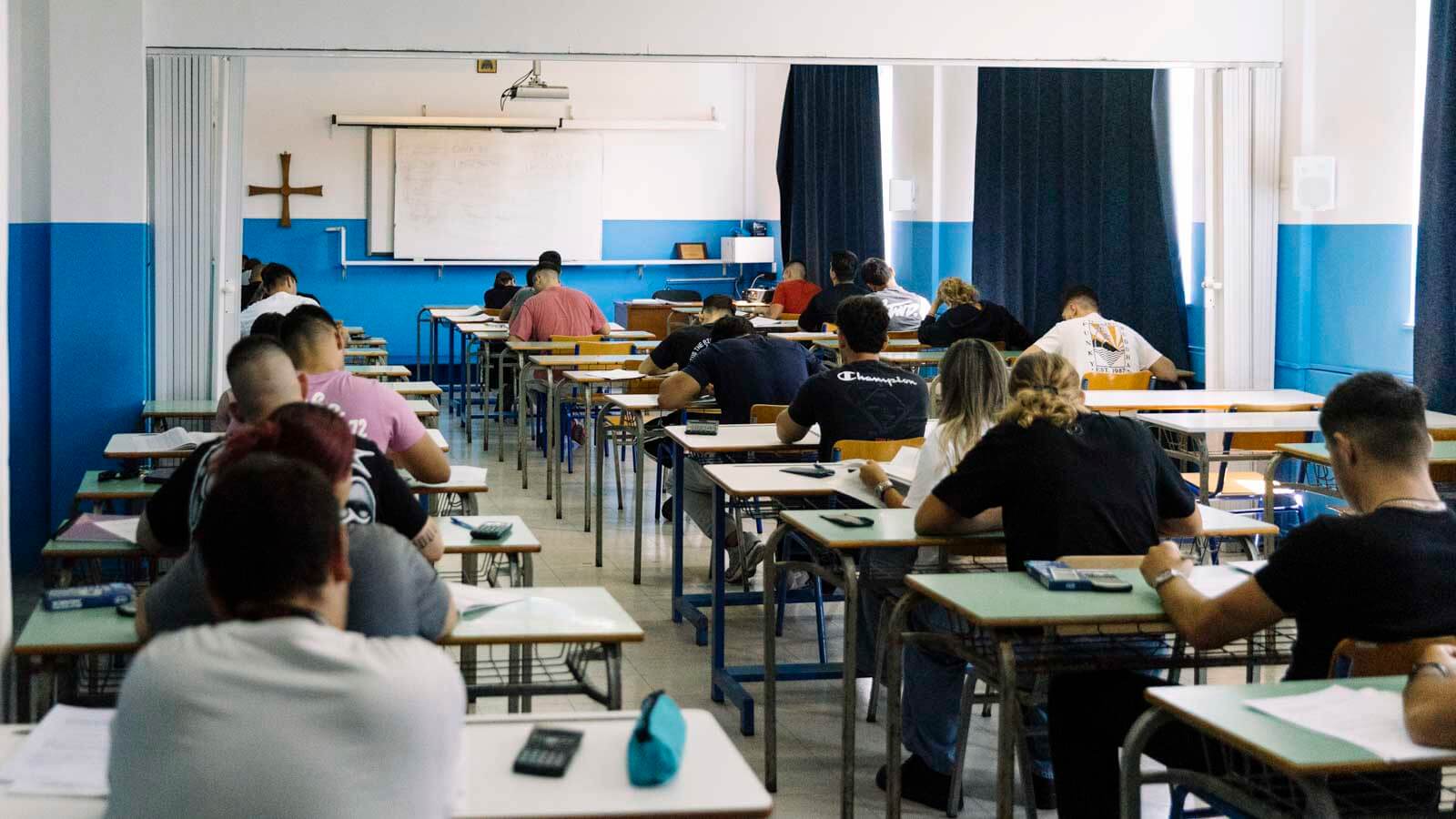
In Chios, I photographed the Merchant Marine Academy of Engineering (AEN Chios), a core institution in Greece’s maritime education system. Here, seafarers train in a highly technical environment, working directly with machinery, tools, and large-scale mechanical systems. Alongside this, I documented vocational schools such as EPAL Vrontados, EPAL Kardamyla—and TEENS and Maria’s Home of Maria Tsakos foundation, spaces that host educational events and daily training activities for students preparing to enter maritime professions. I also spent time in student housing, where young people from across Greece begin shaping their future within the global shipping sector.
Each of these environments carries its own visual identity. What connects them is a clear direction toward careers in maritime and shipping industries, where many students arrive seeking opportunity and a structured professional path.
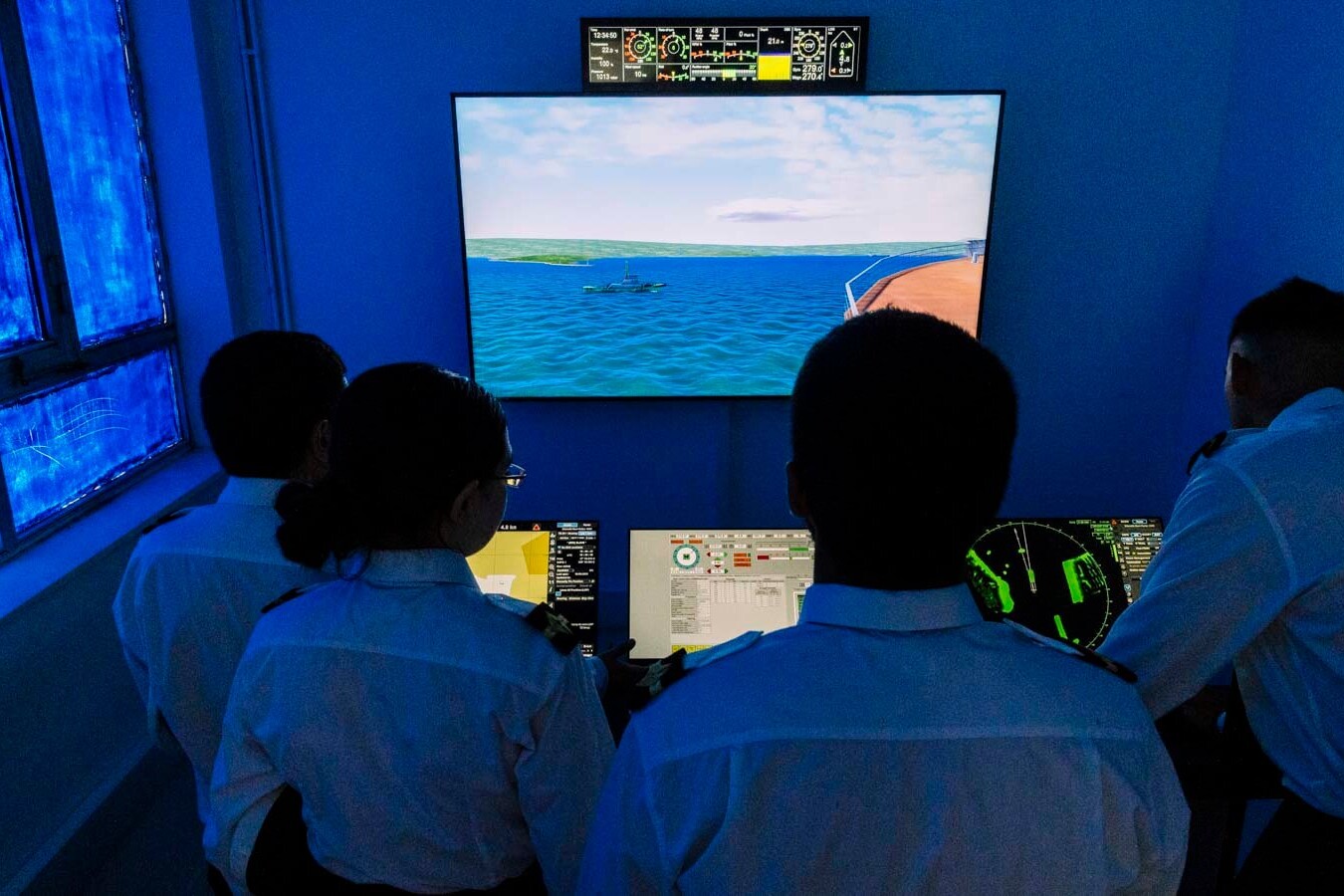
The project continues to Oinousses, a place where this educational ecosystem becomes even more concentrated. There, I photographed the Merchant Marine Academy for Deck Officers (AEN Oinousses), along with the maritime EPAL and the student boarding house. The island operates almost entirely around maritime education. It is a living environment shaped by the rhythm of seafarers life, where learning extends far beyond the classroom. What stood out immediately was the intensity of this setting. Daily life unfolds within a tight radius: cadets move between dormitories, classrooms, and training facilities in a continuous cycle. This proximity creates a strong sense of community, while reinforcing the discipline required in the maritime profession. As highlighted in the article, this routine prepares students for the structured, enclosed environment of life at sea—an essential aspect of working in shipping.
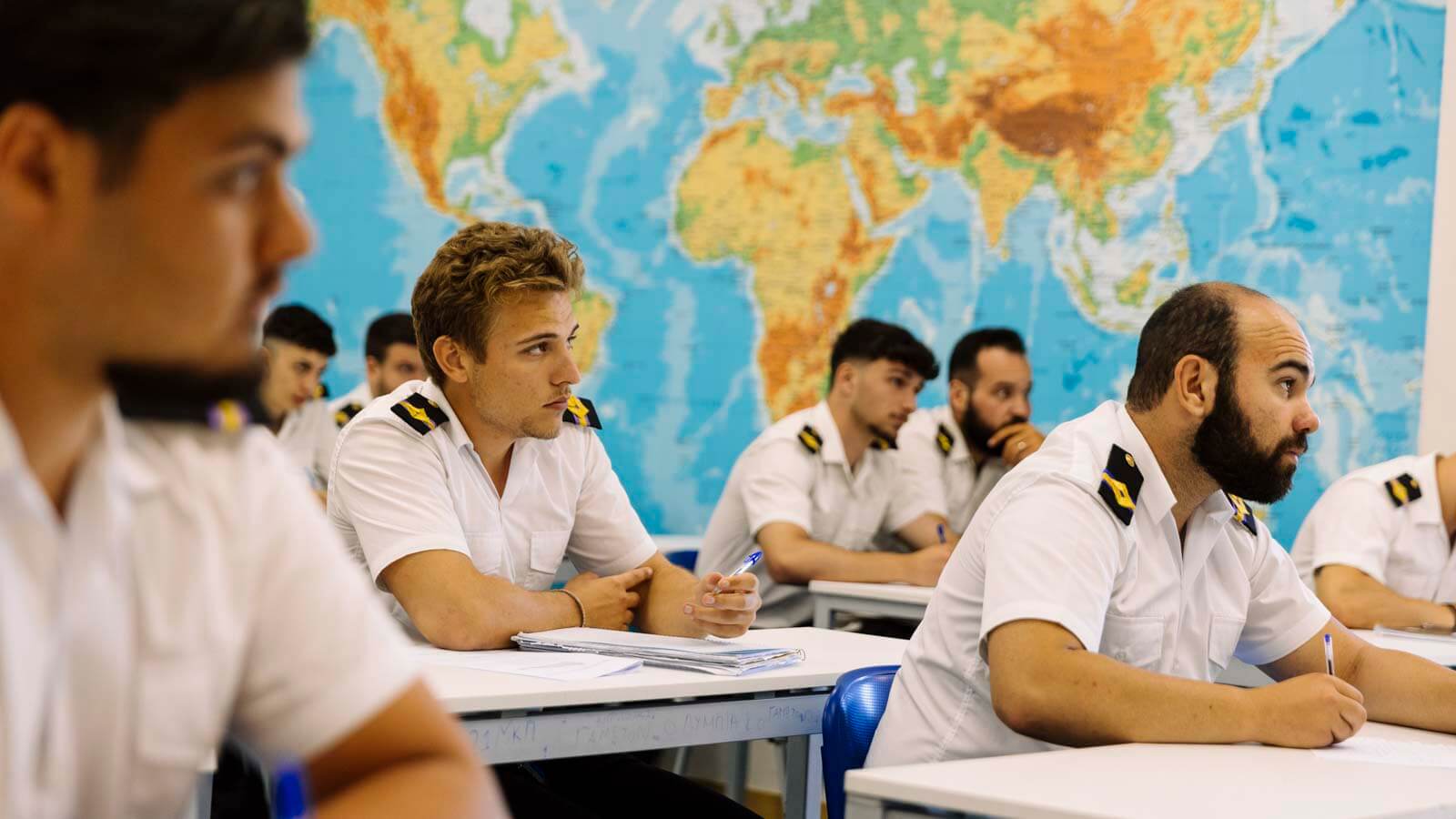
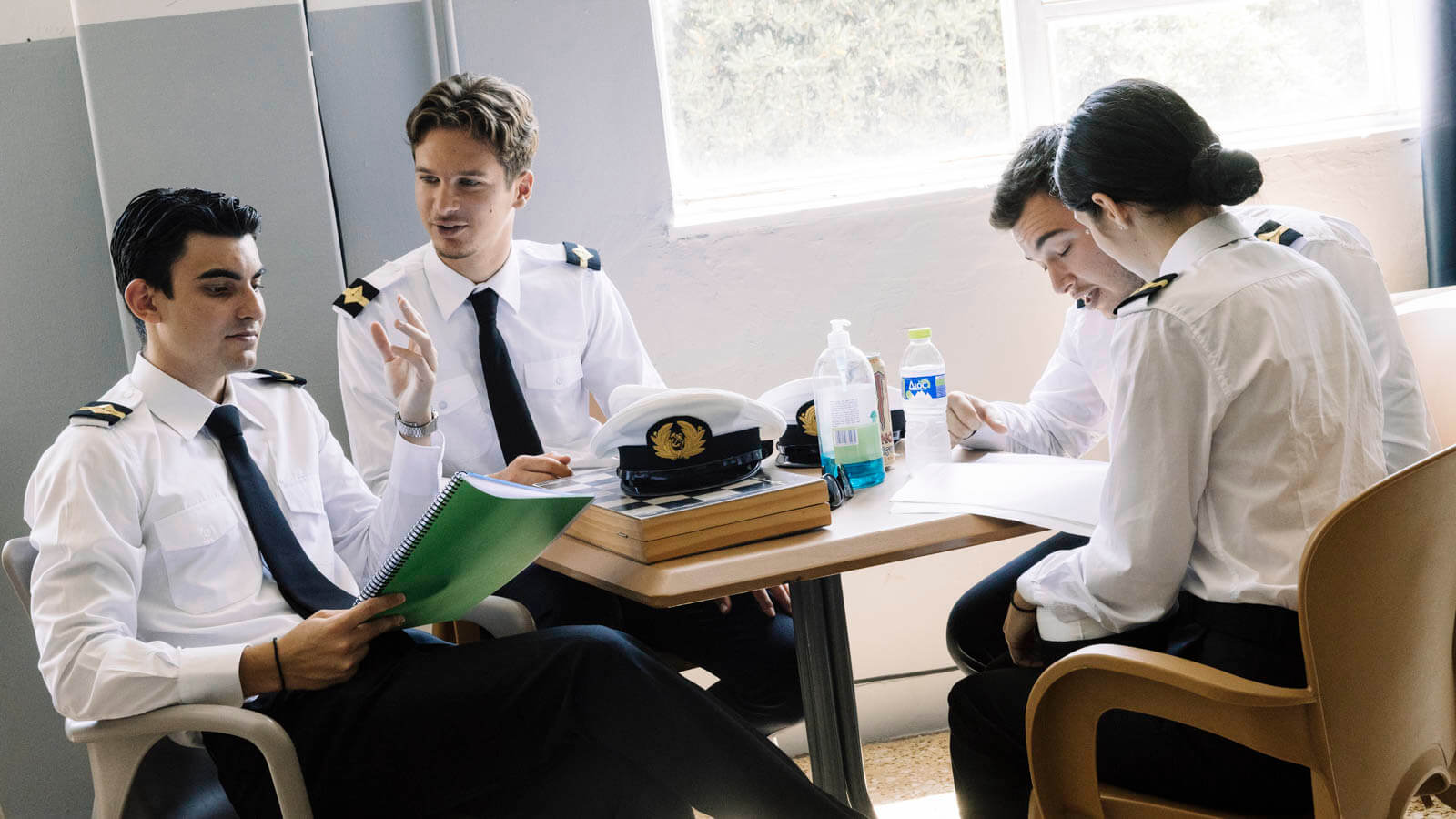
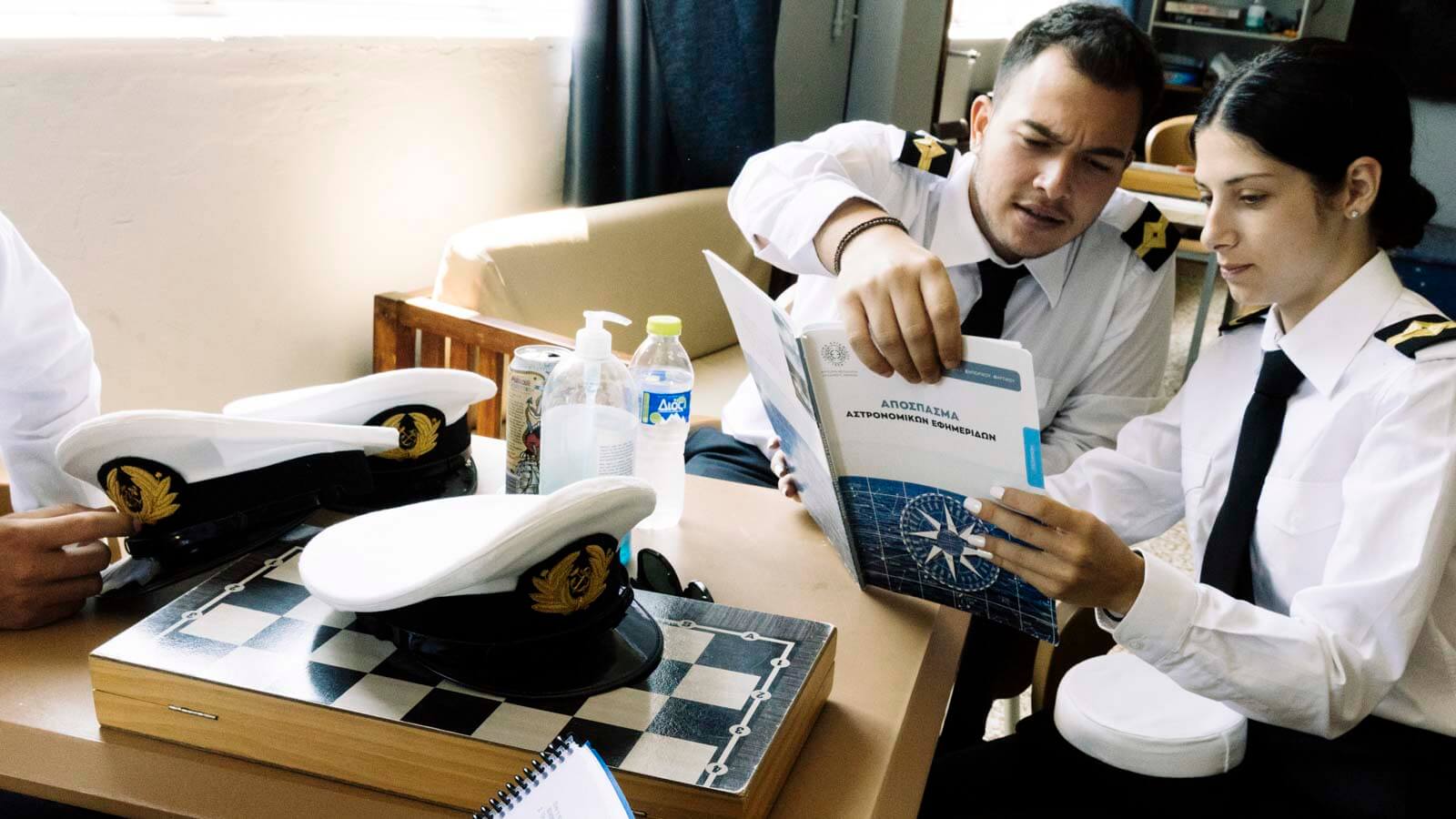
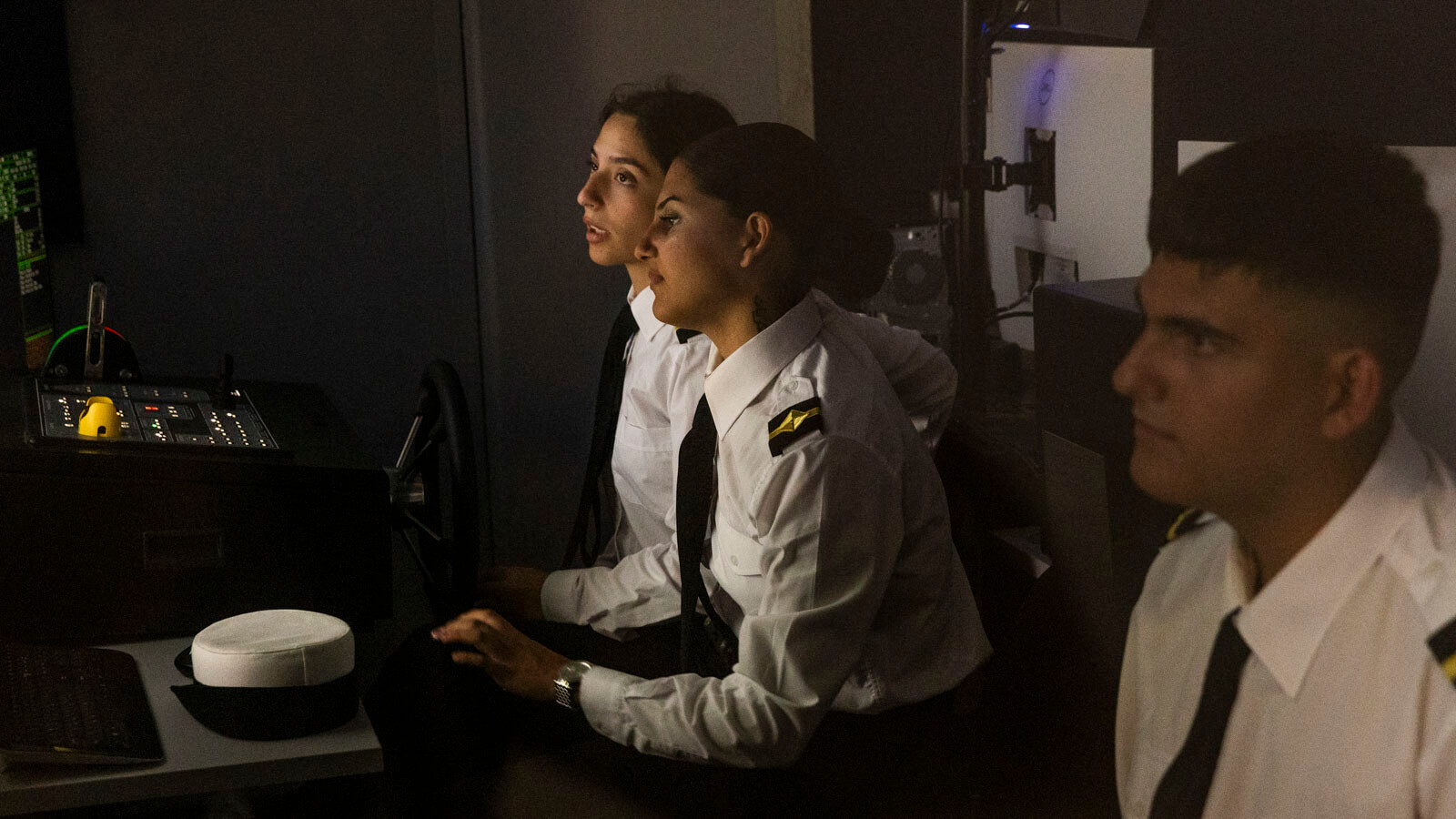
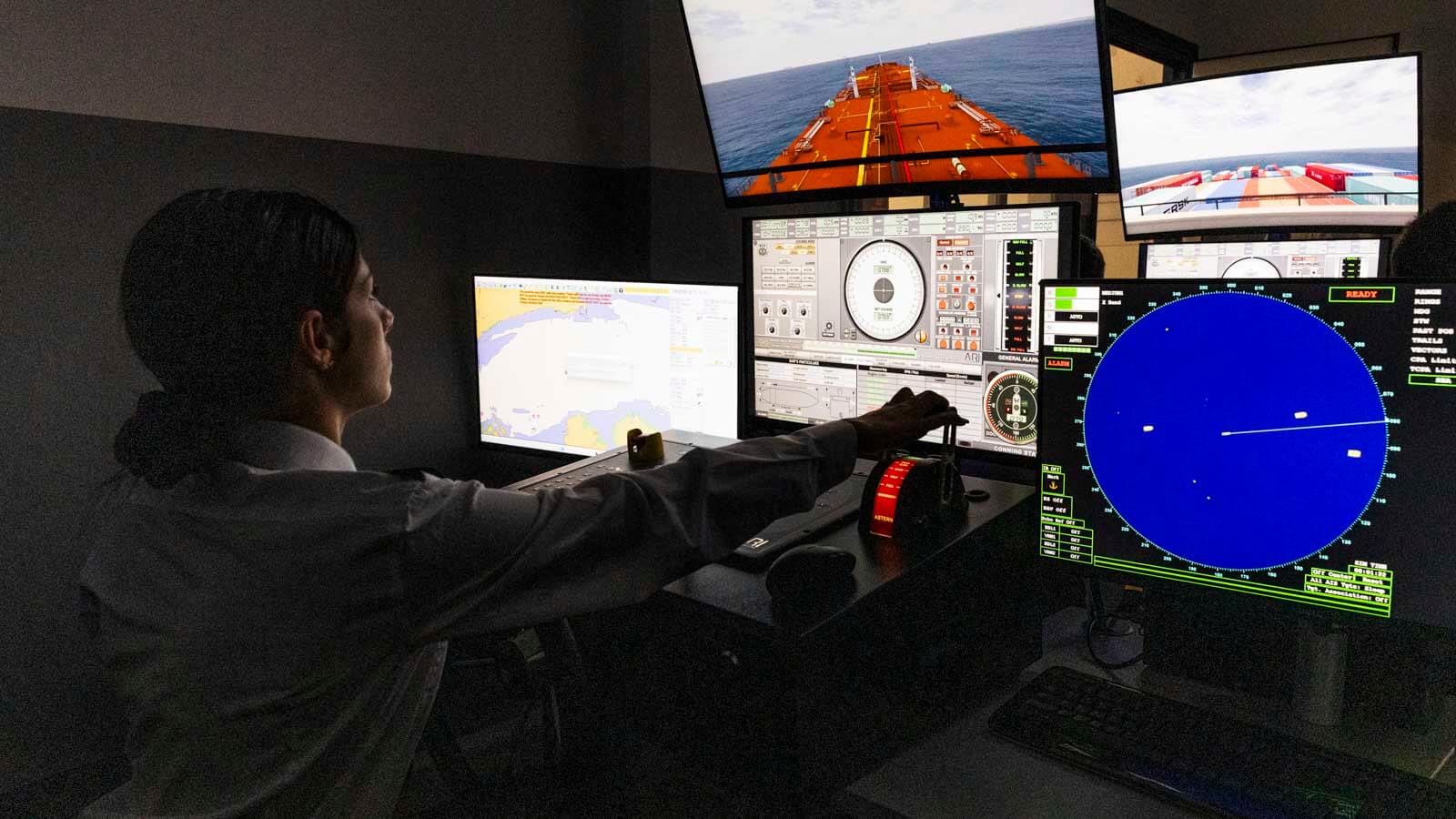
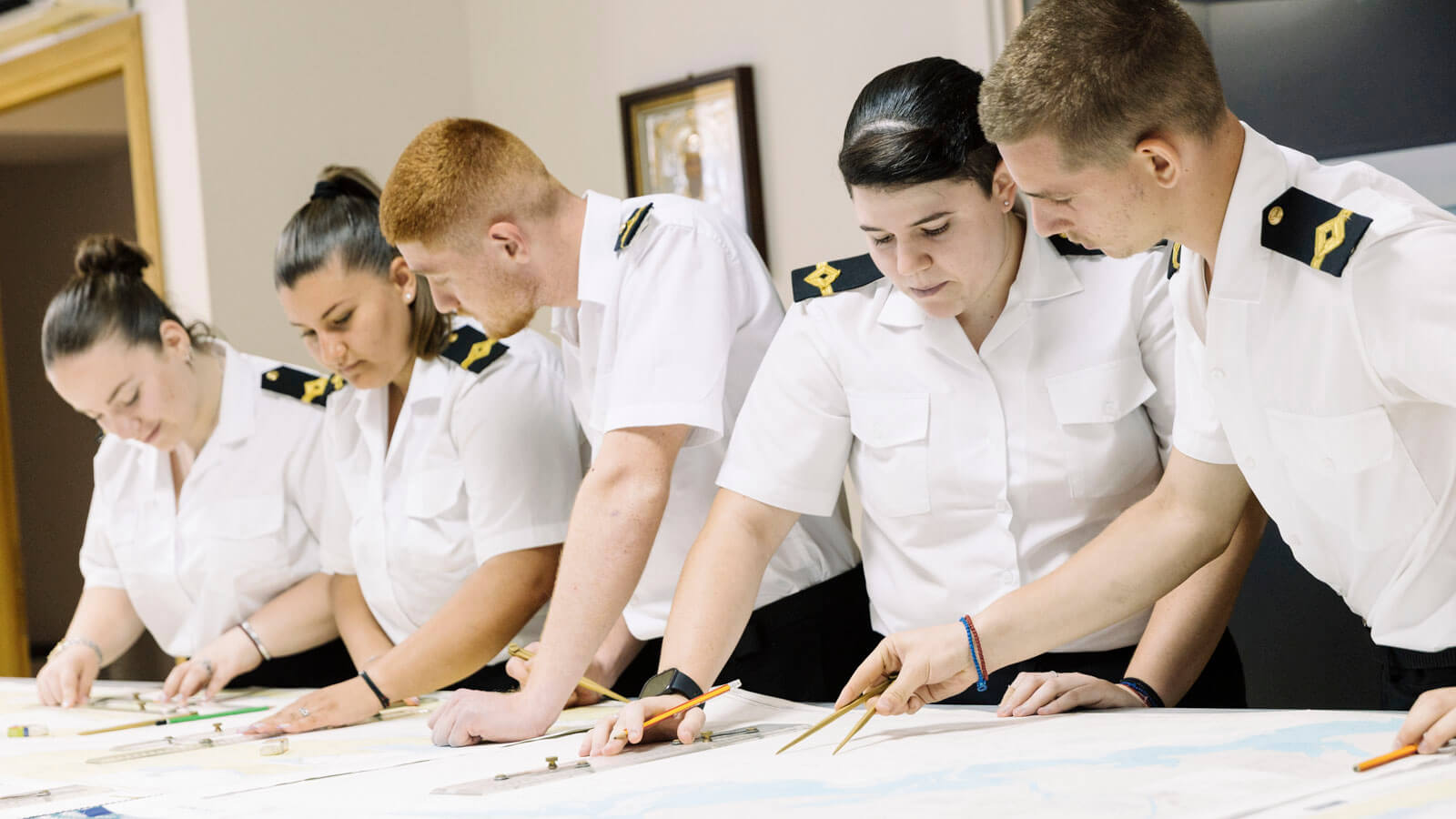
Photographically, Oinousses became the core of the project. I focused on repetition, structure, and presence—corridors, uniforms, gestures, and small details that reveal how individuals evolve through training. There is a quiet concentration in the way cadets interact, already adapting to the expectations of a maritime career.
A phrase often heard locally—“from sheep to ship”—captures the transformation of the island’s identity. Within the academy, this transformation is ongoing. Students from diverse backgrounds gradually integrate into a system that reflects the precision and demands of the global maritime and shipping industry.
Across all locations, my focus remained on how space shapes behavior. These are environments built on discipline, repetition, and responsibility—qualities essential not only in education but also in corporate and maritime contexts. The images reflect this approach: structured, observational, and grounded in real moments.
This work is part of my broader practice as a photographer based in Athens, Greece, specializing in corporate and maritime photography projects. It explores how identity is formed within working environments—especially those connected to the sea, where tradition meets modern industry.
In Chios and Oinousses, everything is interconnected: people, places, and purpose. The sea may not always be visible—but within the world of shipping, maritime training and cadet life, it is always present.
The research and main text made by the editor Giannis Papadimitriou.
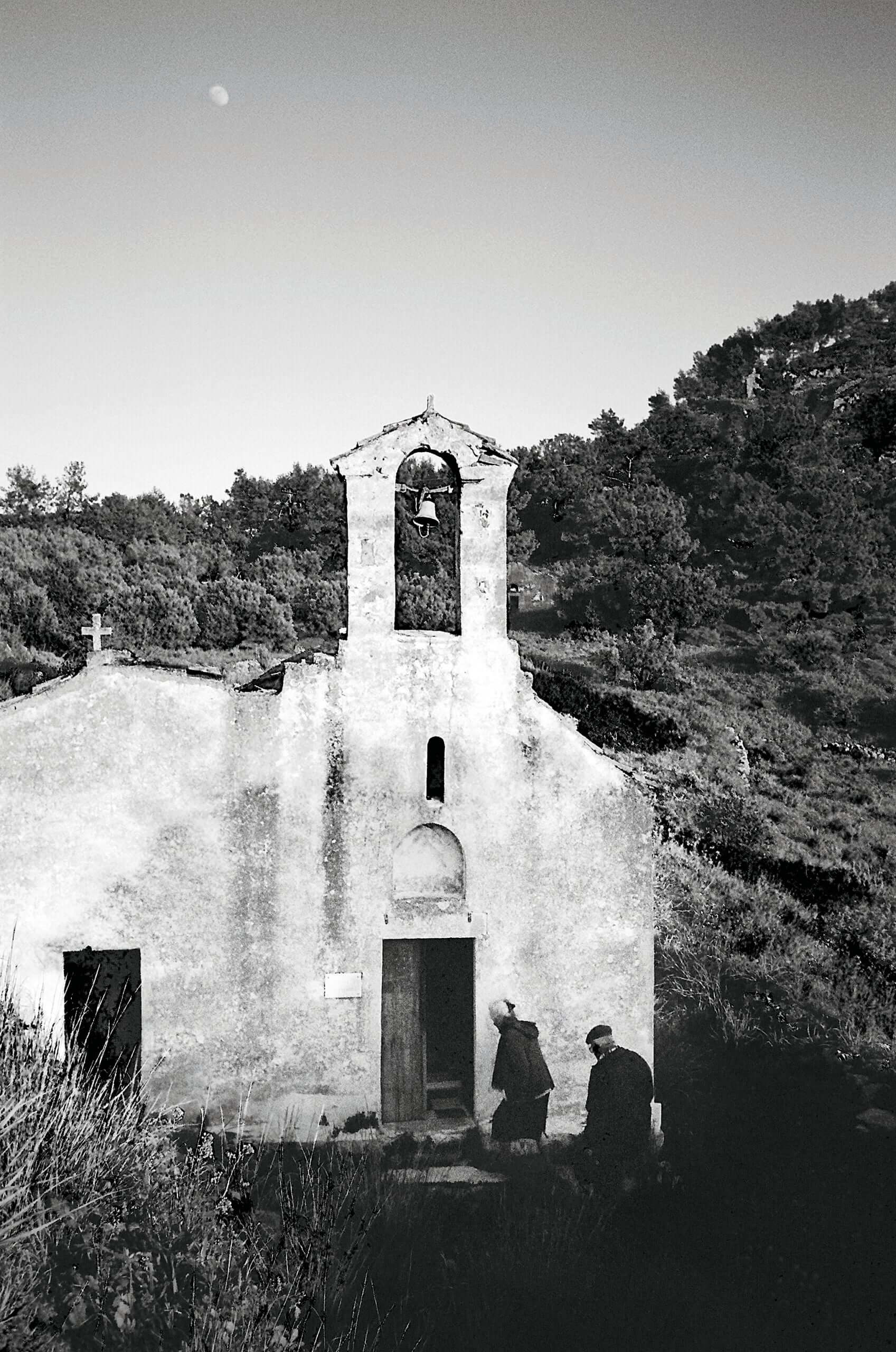
An Image of Quiet Resurrection
When I first captured this photograph, I wasn’t thinking about publication, let alone seeing it featured in Kathimerini. It was simply a moment—one of those fleeting instances where light, place, and feeling align almost without permission. Yet, within the context of the article “Easter Brought an Inner Resurrection,” the image found a deeper voice.
The photograph, originally published in the Myrmidones book and in landscapes collection, carries with it a quiet narrative: a pilgrimage not just across landscape, but inward. The scene, an elderly couple moving toward a small rural church of Agios Charalampos in Palaia Chora of Aegina, echoes a timeless rhythm of faith and continuity. Their presence feels almost symbolic, embodying a lived spirituality that is neither dramatic nor performative, but deeply rooted in everyday gestures.
This image is also part of a broader exploration within my artistic practice—an ongoing series that reflects on faith, not as doctrine, but as lived experience. Through my work, I return often to questions of belief, ritual, and the subtle ways spirituality manifests in ordinary life. I’m drawn to moments where the sacred quietly intersects with the everyday: a gesture, a pause, a shared silence. These fragments, though small, hold a profound emotional and symbolic weight.
What struck me most, seeing the image reframed within this article, was how it resonated with the idea of “inner resurrection.” Not the loud celebration often associated with Easter, but the subtle transformation that unfolds in silence. The kind that happens in shared glances, in slow steps, in the weight of memory carried gently forward.
Photography, at its best, does not explain—it reveals. In this case, the image became part of a broader conversation about sacredness, touch, and human connection. It aligned with reflections on how the spiritual is often encountered not in grand declarations, but in moments of attention and care.
To see my work included in this narrative is both humbling and affirming. It reminds me that images live multiple lives: first as personal encounters, then as shared experiences. And sometimes, unexpectedly, they become part of something larger—a collective reflection on what it means to pause, to feel, and perhaps, to begin again.
Light & Honey - The World of B LOUIS
On the island of Aegina, where thyme grows wild under the intense Greek sun and the scent of Mediterranean herbs travels through the hills with the wind, a young couple has chosen to follow a demanding but deeply rewarding path: the creation of exceptional organic honey. Their brand, B LOUIS, is still relatively young, yet it has already earned recognition in the world of Greek gastronomy. Their honey has been honored at the Great Taste Awards and selected as a finalist in the honey tasting of Gastronomos magazine—an important distinction in a country where honey production has deep historical roots.
B LOUIS represents a new generation of Greek producers who combine respect for traditional beekeeping with a contemporary vision of quality, sustainability, and careful branding. Their honey is certified organic, produced with great attention to environmental balance and the natural rhythms of the island ecosystem. The bees forage among thyme and other aromatic Mediterranean herbs that grow naturally on the slopes of Aegina, giving the honey its distinctive character.
Aegina’s landscape plays a central role in the story. The island’s dry terrain, rocky hills, and scattered vegetation form a unique environment where aromatic herbs flourish under the strong Aegean sunlight.
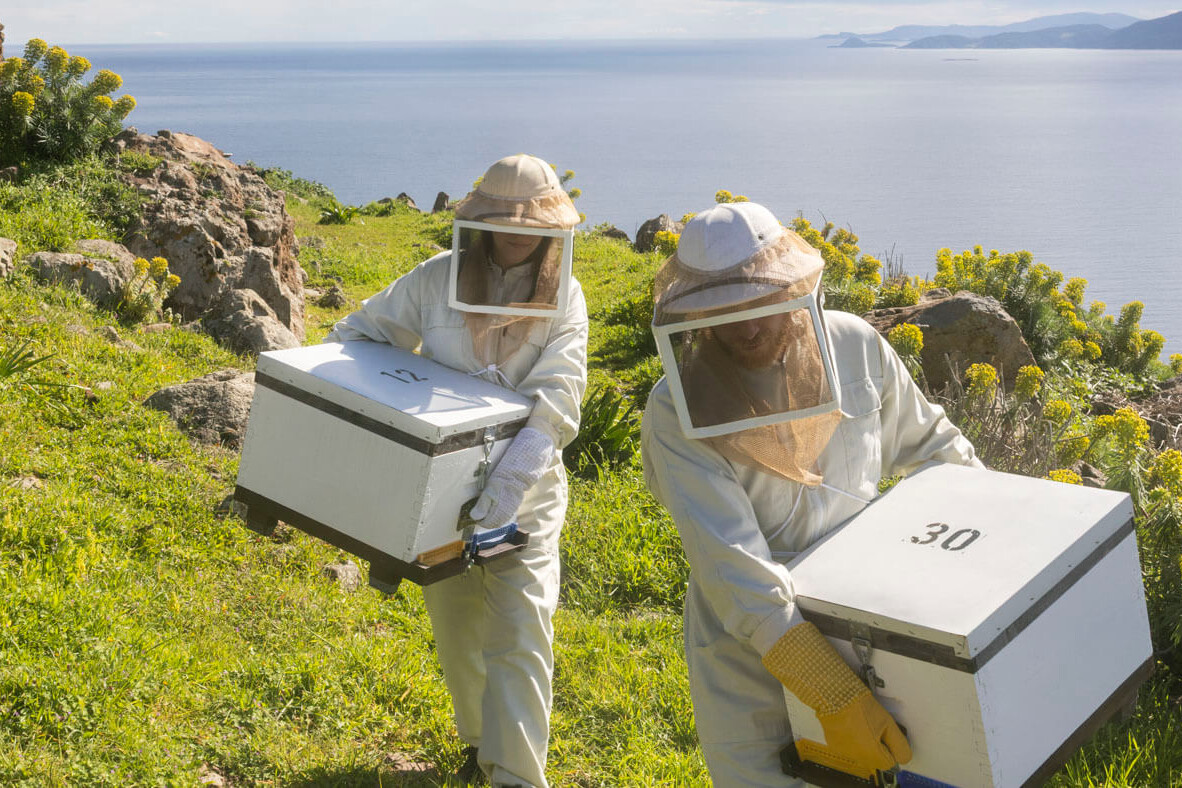
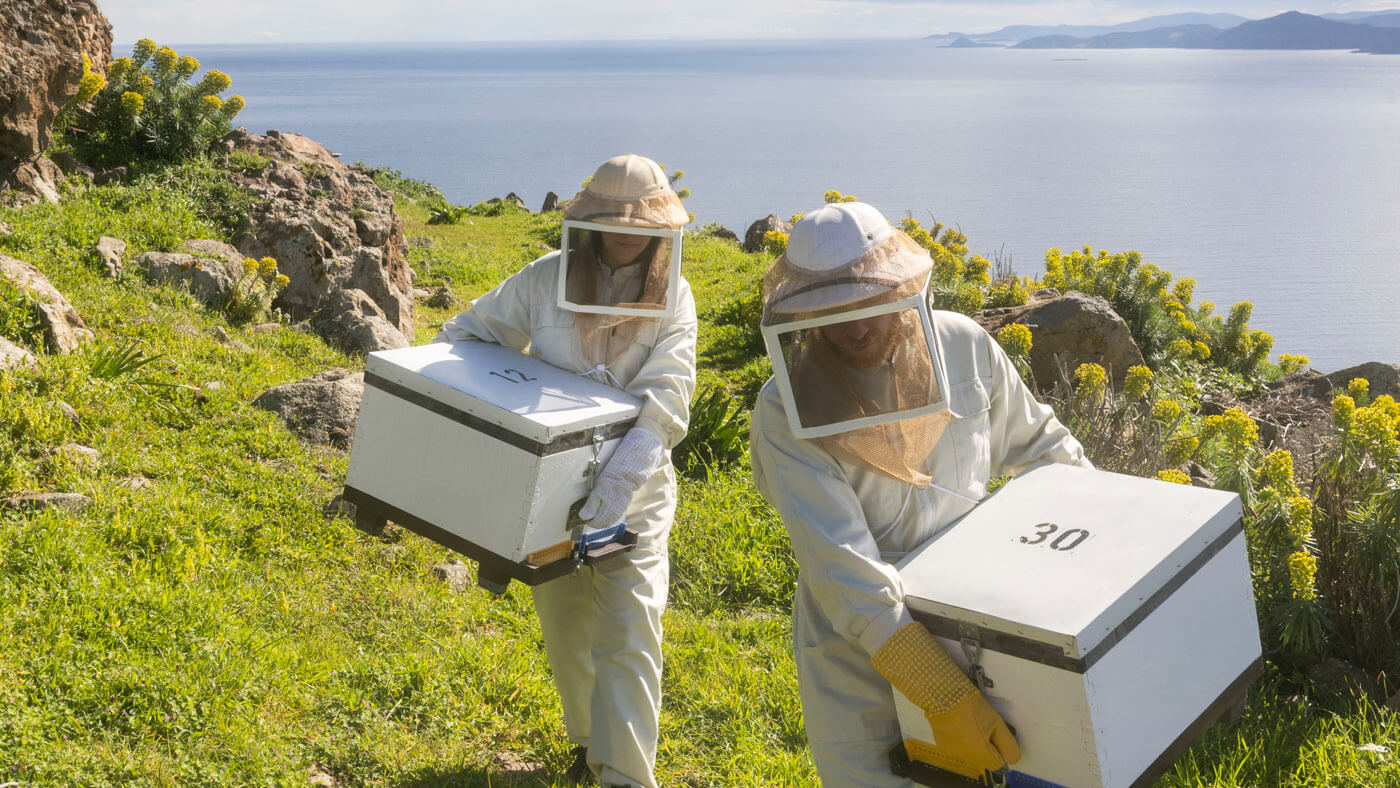
My recent commercial photography project with BLOUIS was designed to capture not only the product but also the entire world that surrounds it. The intention was to create a visual narrative that moves beyond conventional product photography and instead explores the relationship between landscape, people, and craft. The photography reflects this deep connection between product and place. Blends three main elements: space, portrait, and action. Wide environmental photographs introduce the geography of Aegina: open hillsides covered with herbs, dusty paths leading through the vegetation, and distant views of the sea shimmering on the horizon. These landscapes are not simply decorative settings. They are essential ingredients in the story of the honey itself. Within these landscapes, the young beekeepers appear as natural participants in their environment. The portrait photographs aim to capture moments of quiet concentration and dedication. We see them inspecting the hives, preparing the smoker, or carefully examining frames filled with honeycomb. These portraits are intentionally simple and honest, reflecting the calm patience required by beekeeping.
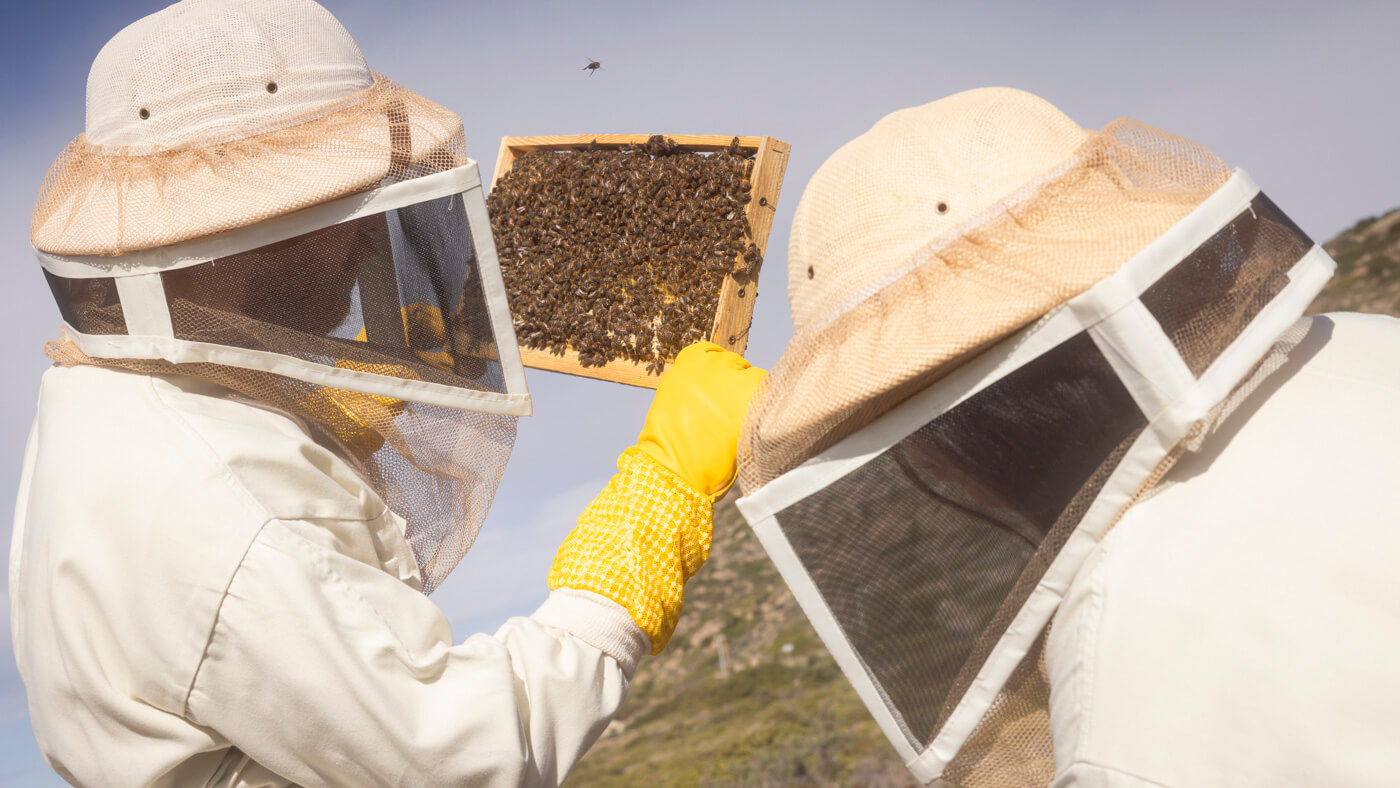
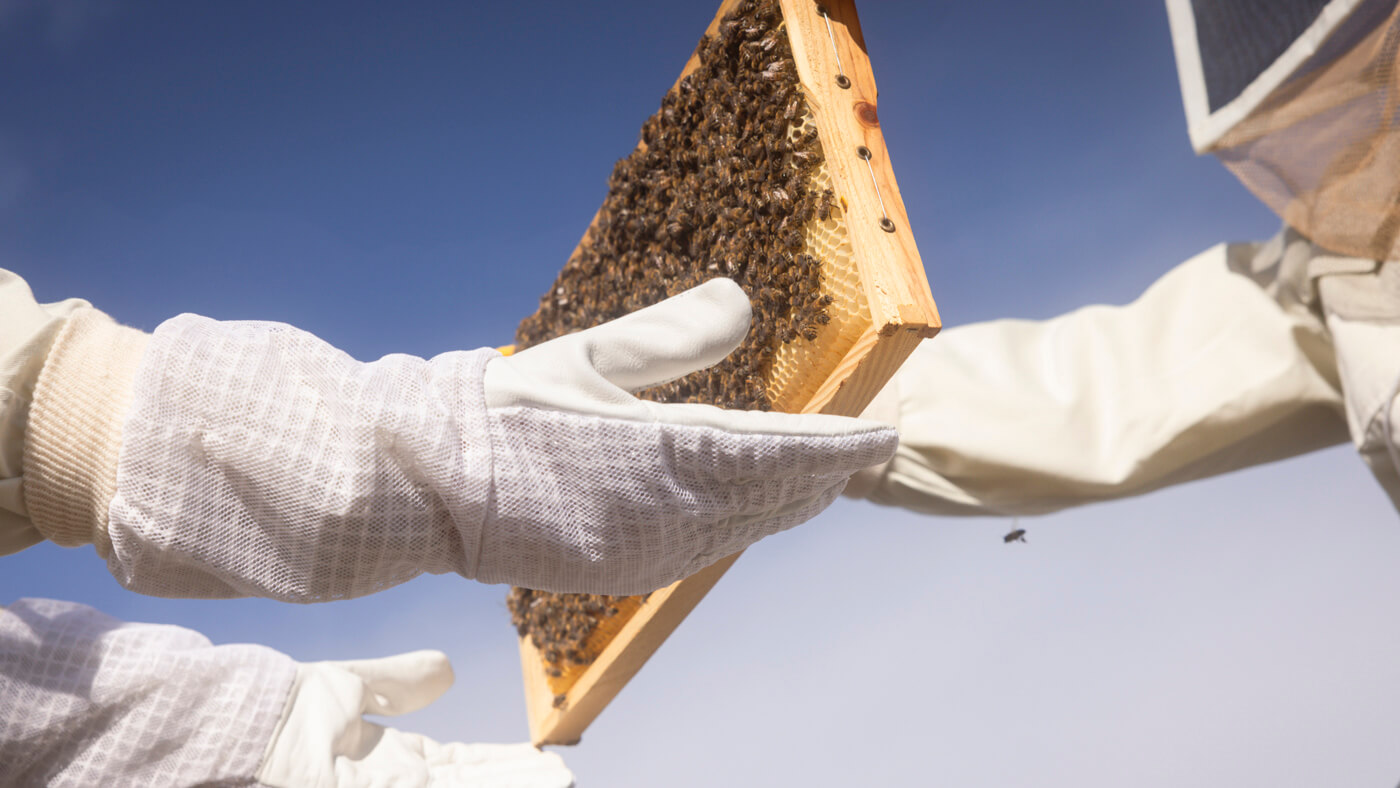
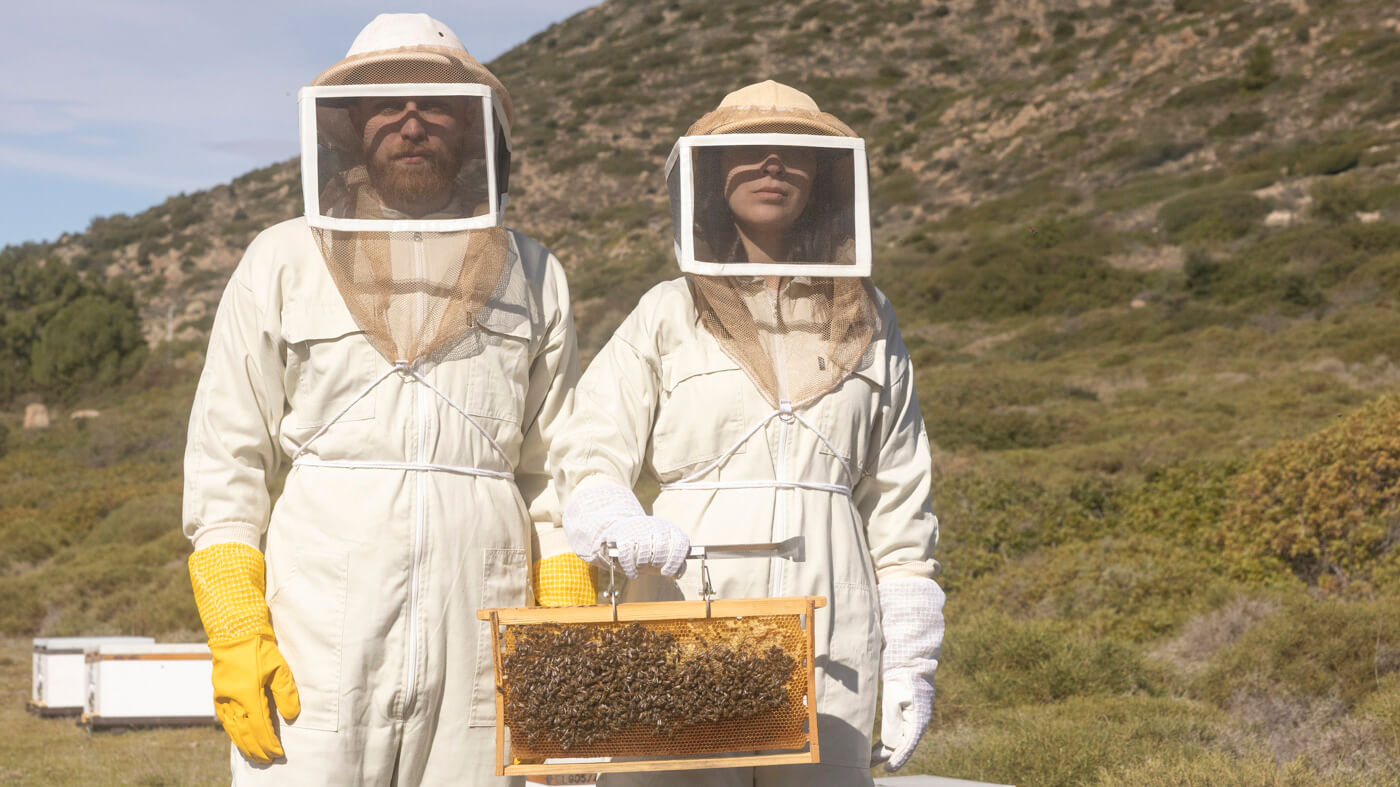
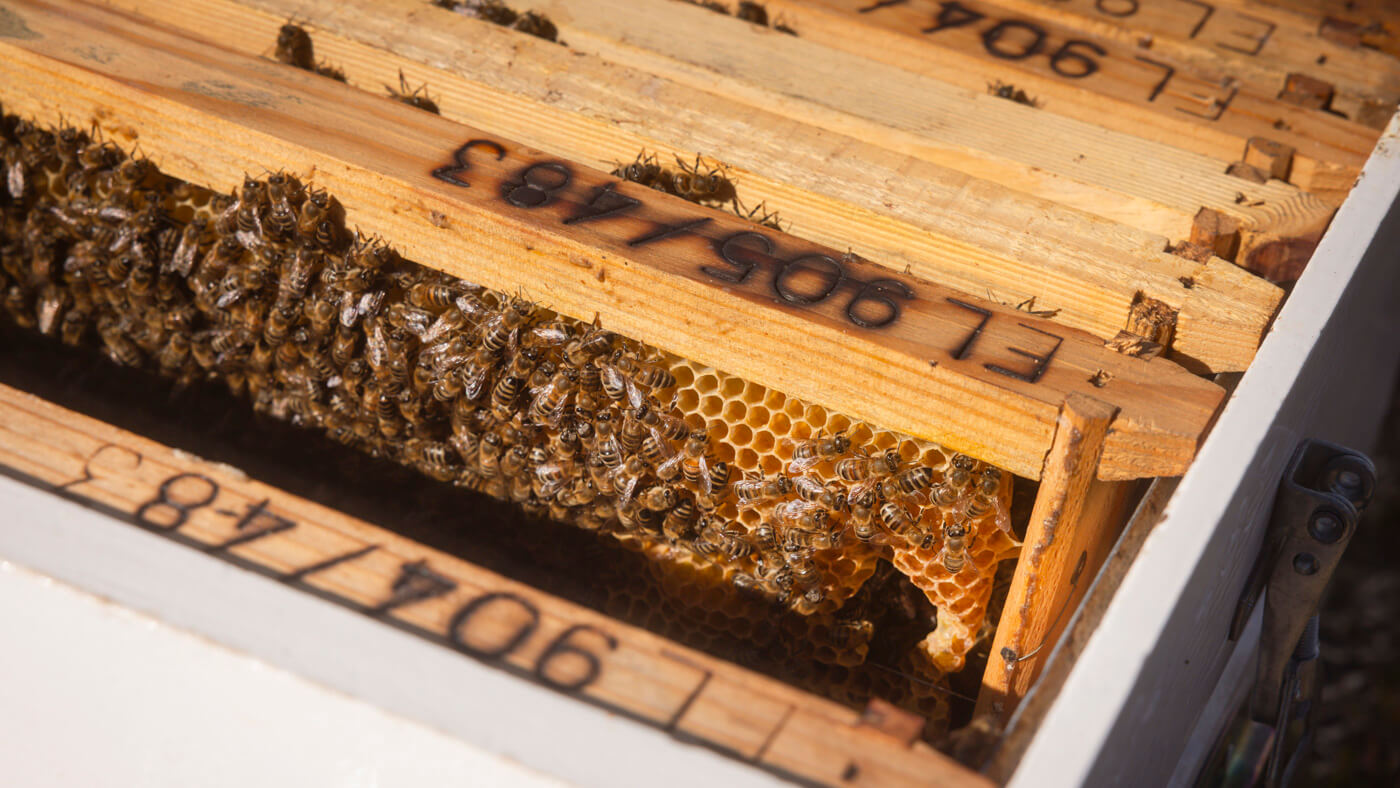
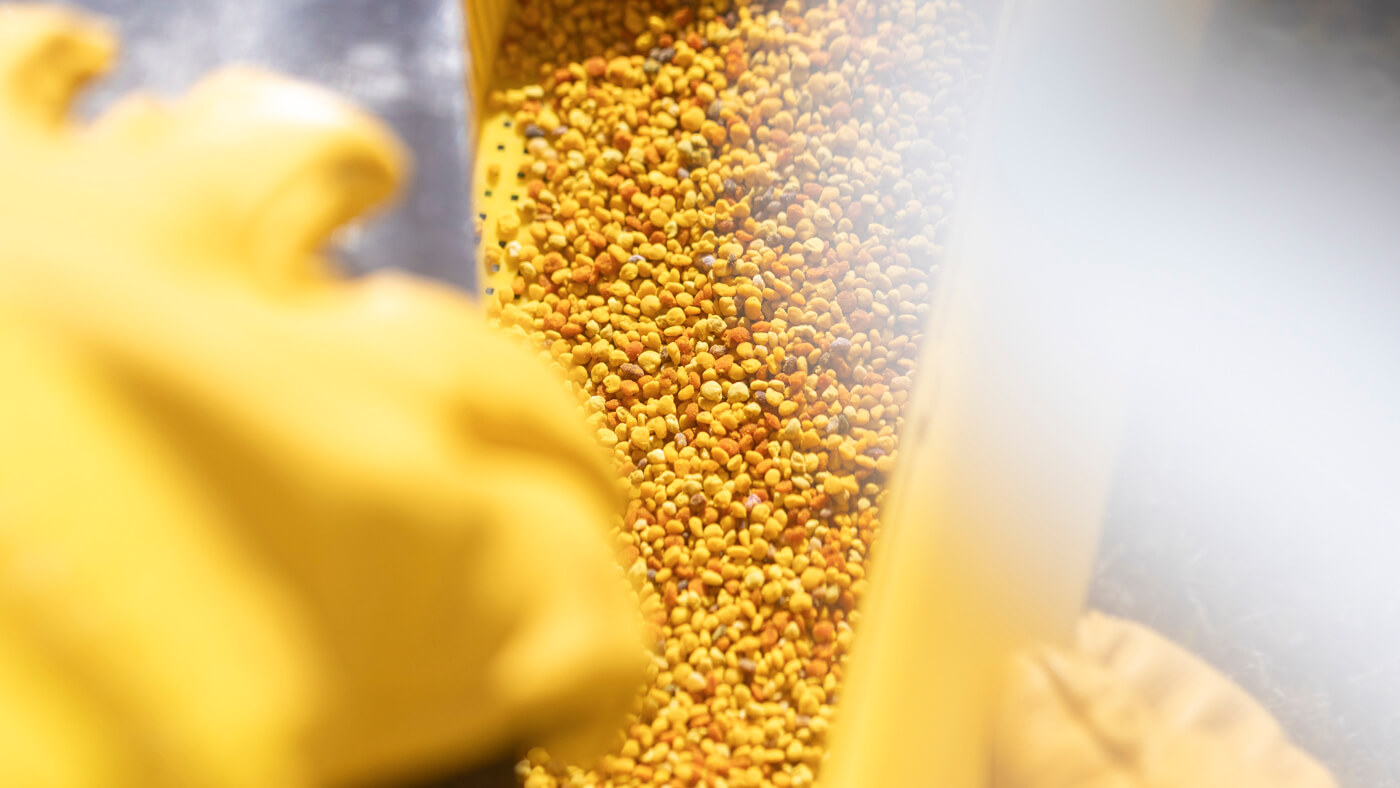
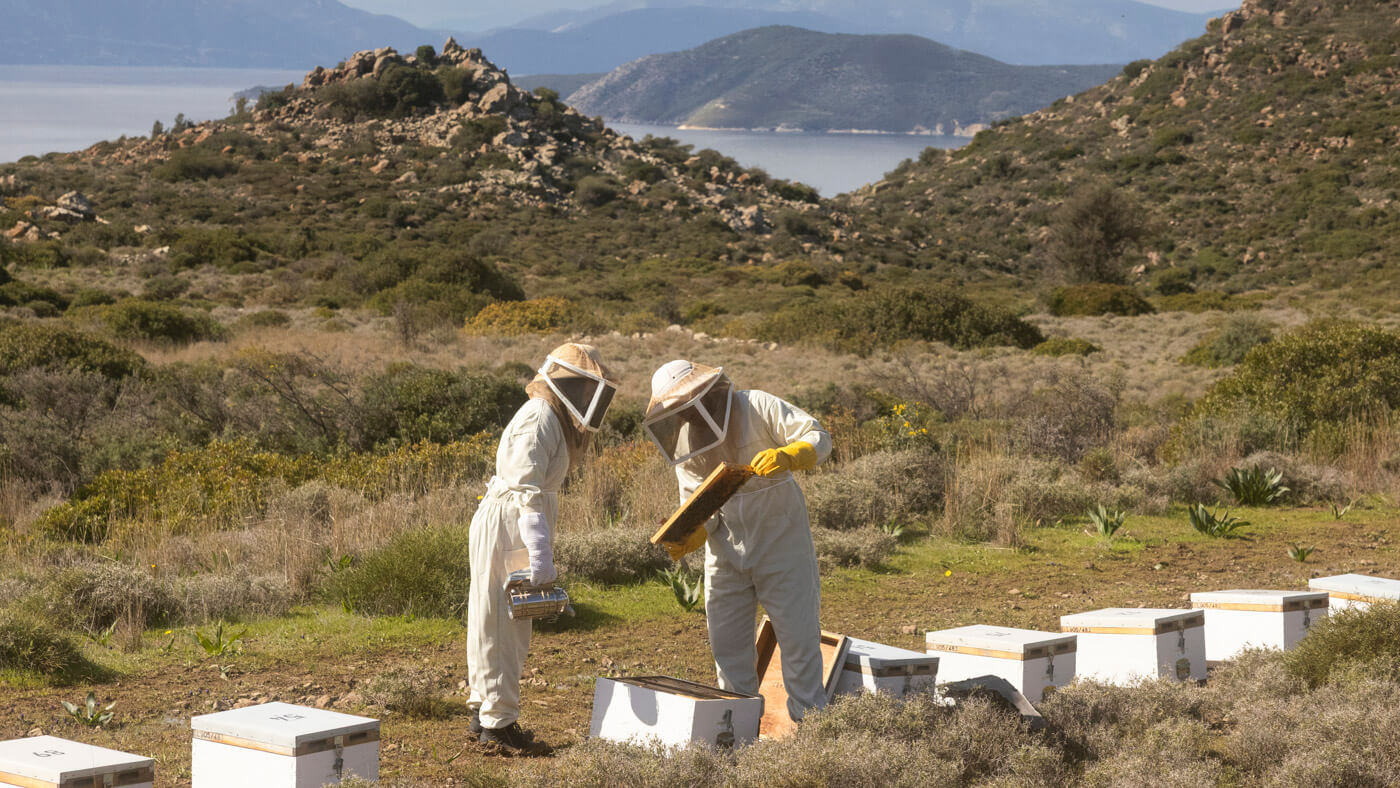
Stella and Leonidas, the couple behind BLOUIS, represents a new generation of producers emerging in Greece today. Young, passionate, and deeply connected to the land, they combine traditional beekeeping knowledge with modern awareness of sustainability and quality. Their work is guided by respect for biodiversity and organic production practices, ensuring that both bees and environment remain healthy.
Despite its small-scale and artisanal nature, Blouis honey has already begun to travel beyond the island. Part of the production reaches gourmet shops in Athens, where it is appreciated by chefs and food enthusiasts who seek authentic Greek ingredients. Another part is exported to Germany, introducing international audiences to the unique flavors of Aegina’s thyme honey.
Through their online presence, including their active pages on Instagram and Facebook, the producers also share glimpses of their daily work with a broader audience.
In this context, the photography project aims to position Blouis not simply as a food product but as a premium artisanal brand deeply rooted in place. The visual approach avoids heavy staging or artificial setups. Instead, the images rely on real moments, natural gestures, and the genuine atmosphere of the landscape.
At the same time, the commercial campaign photographs highlight the human dimension behind the honey. In a world where many food products become anonymous commodities, BLOUIS reminds us that exceptional taste often begins with personal commitment. The images reveal the quiet determination of two young producers investing time, care, and energy into their craft.

Dinning with History at the Royal Suit of Grande Bretagne Athens
The story of Grande Bretagne is a story of precision, ritual, and enduring elegance at the heart of Athens, Greece. It opens in the Royal Suite, where every detail of a formal dinner is arranged with almost ceremonial care: chairs aligned by eye, cutlery measured by fingers, and historic golden sets placed with exacting symmetry. This obsessive attention to detail is not mere formality, but a reflection of a deeper philosophy—one that defines the hotel’s identity as a symbol of luxury and refinement. This carefully staged scene also formed the concept of a special photoshoot designed for the anniversary edition of GB Magazine, celebrating 150 years of the hotel’s legacy, with images created for the magazine editorial and communication use.
Behind the scenes, a full team moves into action: florists, stewards, assistants, and wine experts prepare the setting using hand-painted Limoges porcelain, silverware, and rare bottles transferred to a private cellar. At the center of this orchestration stands Executive Chef Asterios Koustoudis, whose arrival with his team marks the transition from preparation to creation. The image of the chefs in white aprons and tall hats feels almost timeless—perfect material for food photography and a striking group chef photo that connects past and present and a visual language ideally suited to communicate the Grande Bretagne’s heritage in both magazine print and social media.
The menu itself is rooted in historical research. Inspired by a rare cookbook from the 1950s by Georgios Dimostheniadis, the team reconstructs dishes that once represented the height of cosmopolitan dining. These recipes—ranging from refined soups and delicate fish dishes to elaborate lobster preparations—demonstrate how cuisine at the Grande Bretagne has always balanced technique, seasonality, and visual beauty. The philosophy is clear: food should look as exquisite as it tastes, blurring the line between gastronomy and art.
This recreated seven-course dinner is more than a meal, it is a statement about continuity. It highlights how the hotel has contributed to the evolution of Greek gastronomy over more than a century, while staying faithful to European culinary traditions. From the late 19th century onward, the Grande Bretagne earned its reputation as a benchmark of luxury, attracting royalty, diplomats, and elite society. French cuisine once dominated its menus, but over time Greek ingredients and dishes claimed their place, reflecting broader changes in taste and identity.
The narrative also traces how the hotel’s prestige shaped supply networks, supported Greek producers, and set standards for service and presentation. Even details such as uniforms, languages spoken by staff, and the choreography of service reveal a world where hospitality is treated as a craft. Celebrations, gala evenings, and long festive dinners became part of the social fabric of Athens, reinforcing the hotel’s role as a cultural landmark in Greece.
Today, that legacy continues. From the Winter Garden’s brunch and Afternoon Tea to the GB Roof Garden’s contemporary cuisine, the spirit of innovation remains alive. Under the guidance of Asterios Koustoudis, the kitchen still focuses on seasonal ingredients, refined technique, and strong visual identity—making every plate a potential subject for food photography and every service a continuation of a long historical tradition.
In essence, the Grande Bretagne is not just a hotel, but a living archive of taste, ceremony, and craftsmanship—where the Royal Suite,, the formal dinner, and the pursuit of luxury come together in a visual and culinary narrative created for the 150-year anniversary of the hotel, and expressed through imagery used both editorially and for the hotel’s advertising, deeply rooted in Athens, Greece, and still evolving today.
Executive Chef Asterios Koustoudis
Article, research and interviews and by the food editor Nena Demetriou.
Head Sommelier Evangelos Psofidis


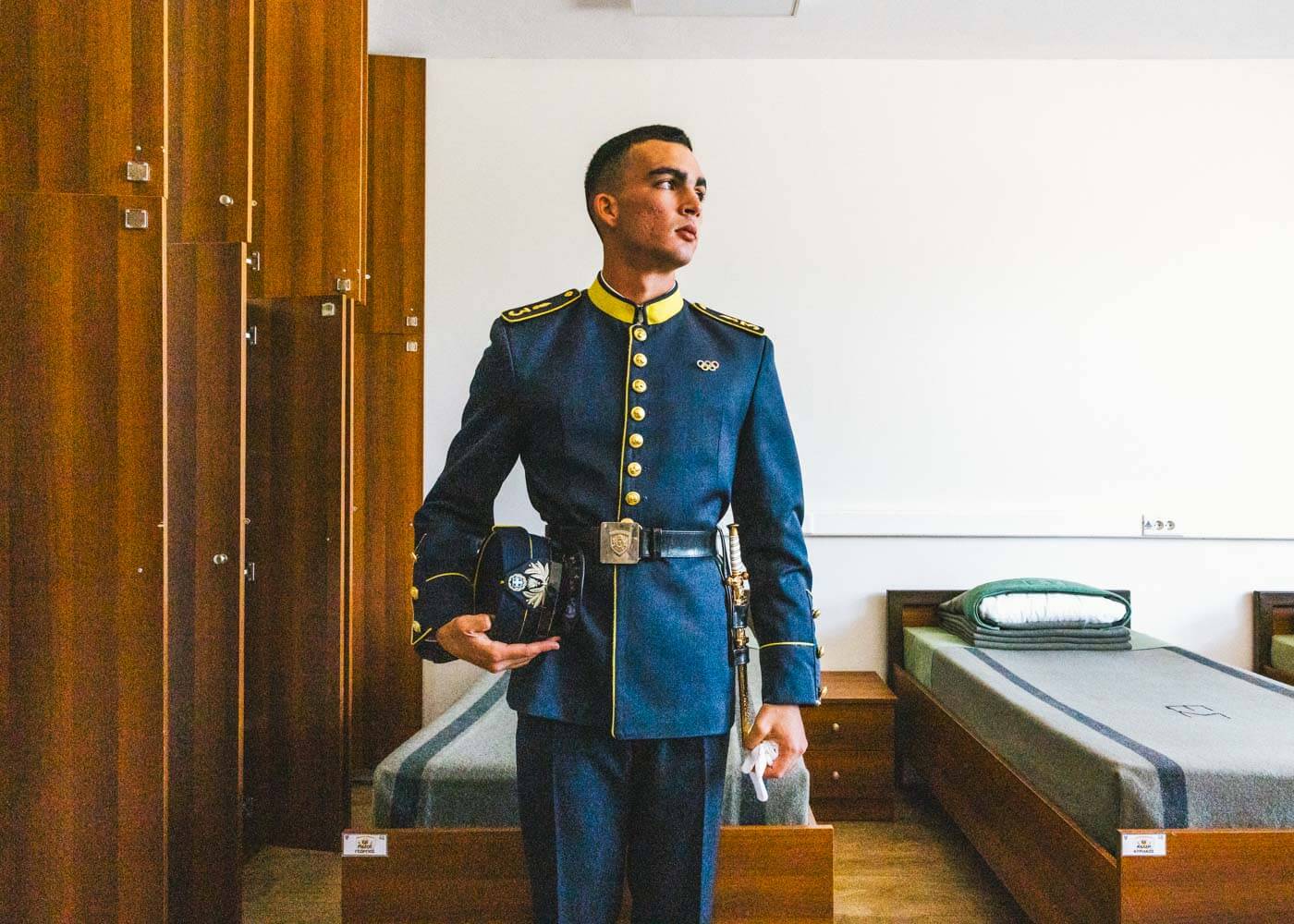
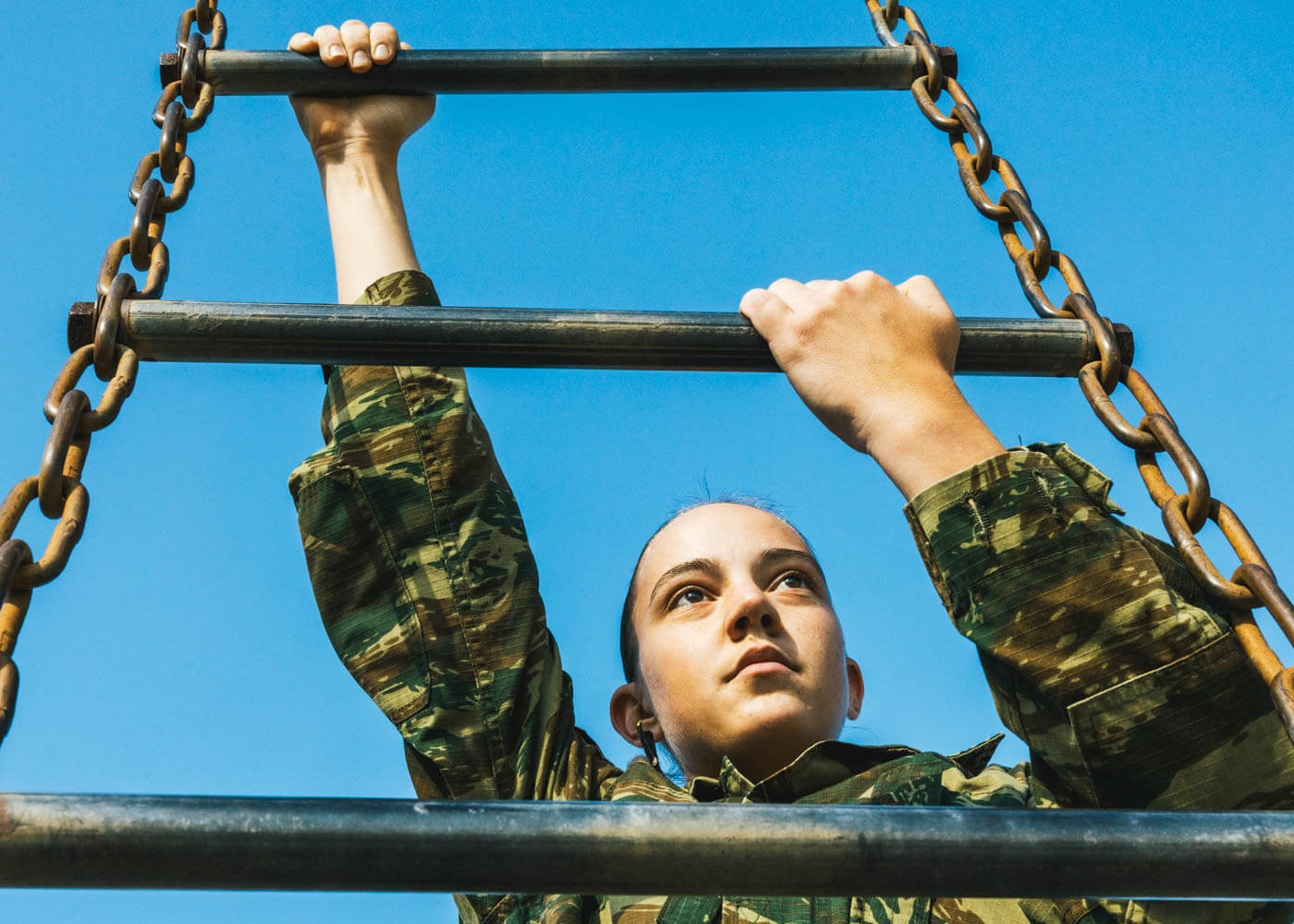
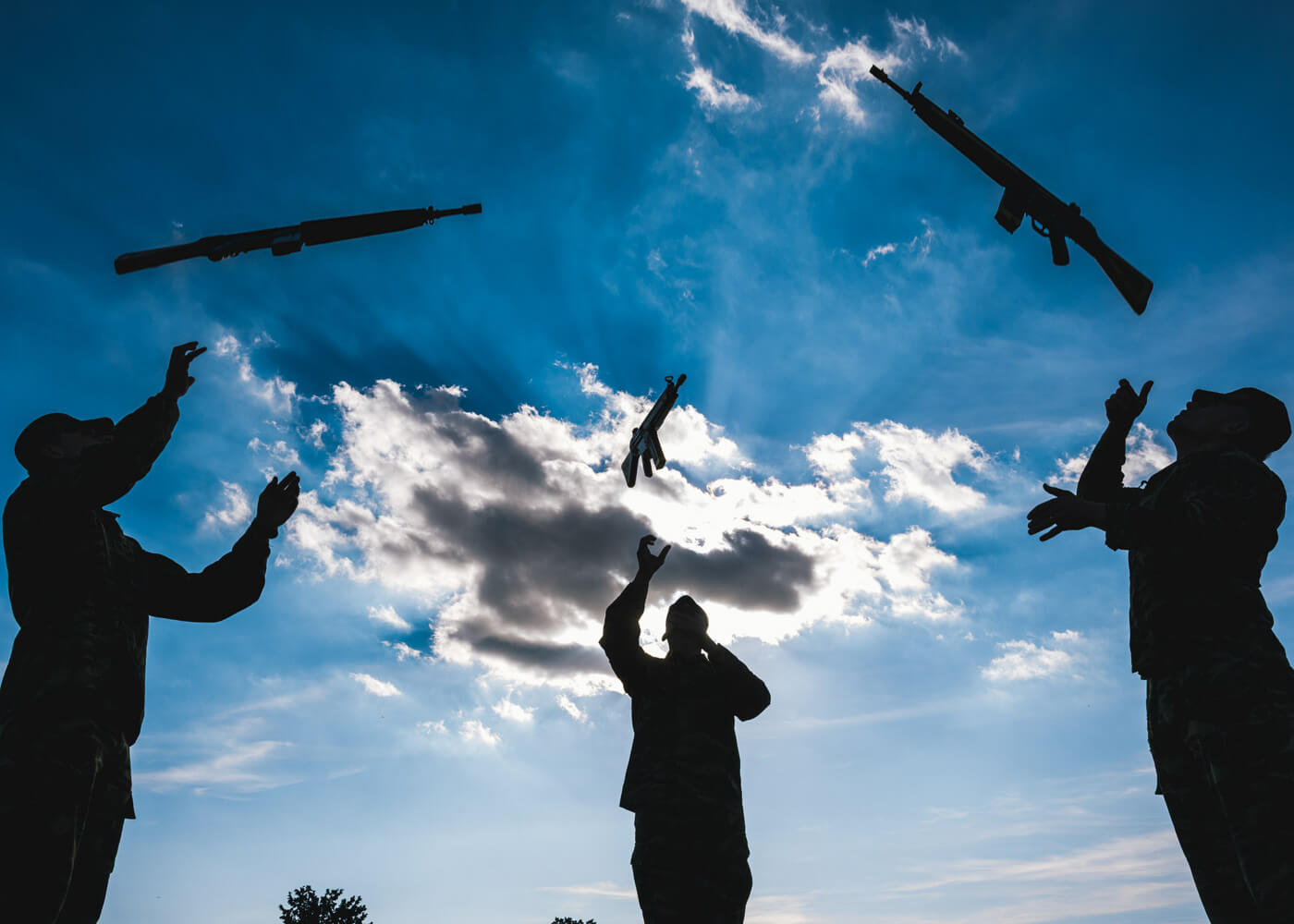
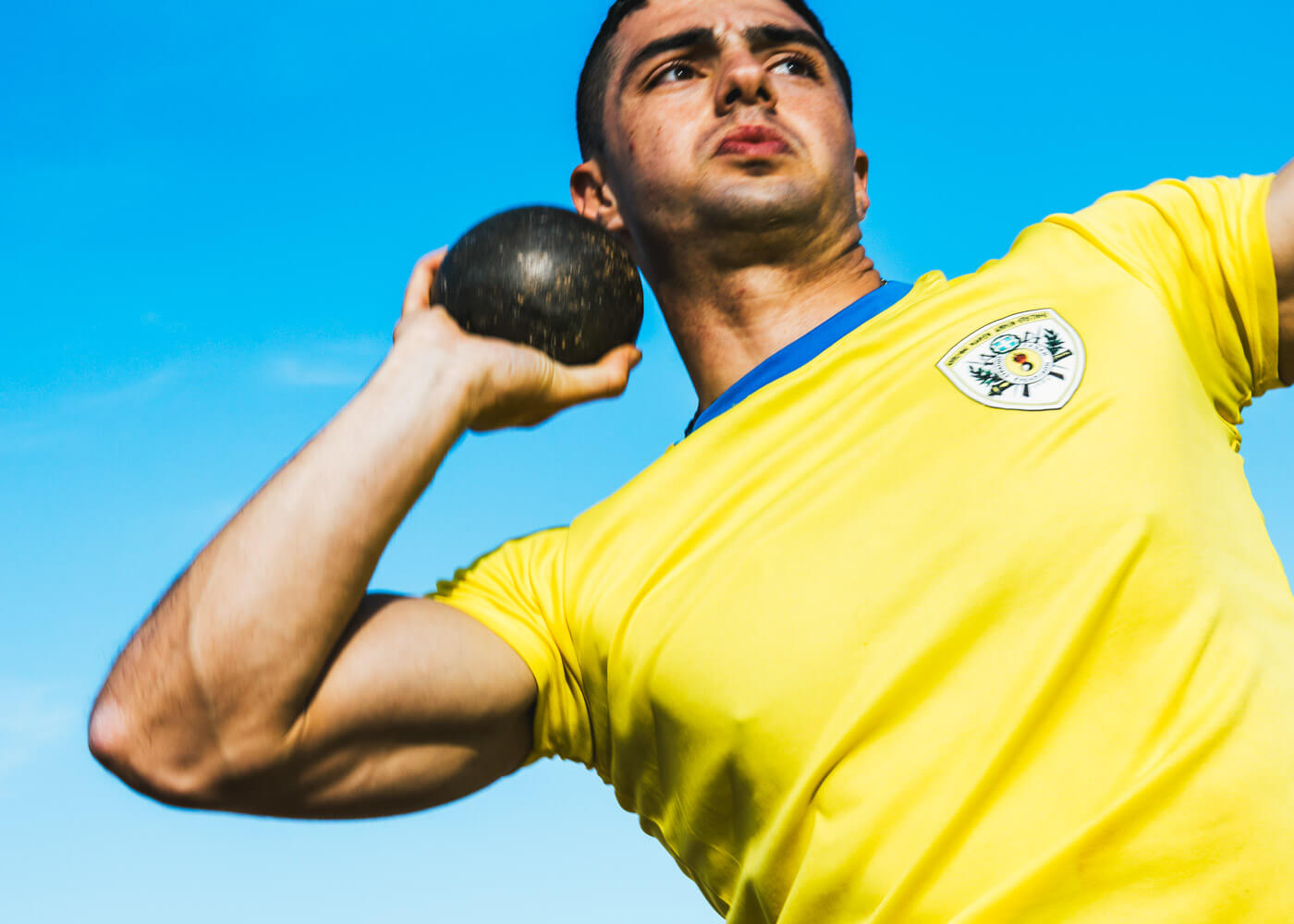
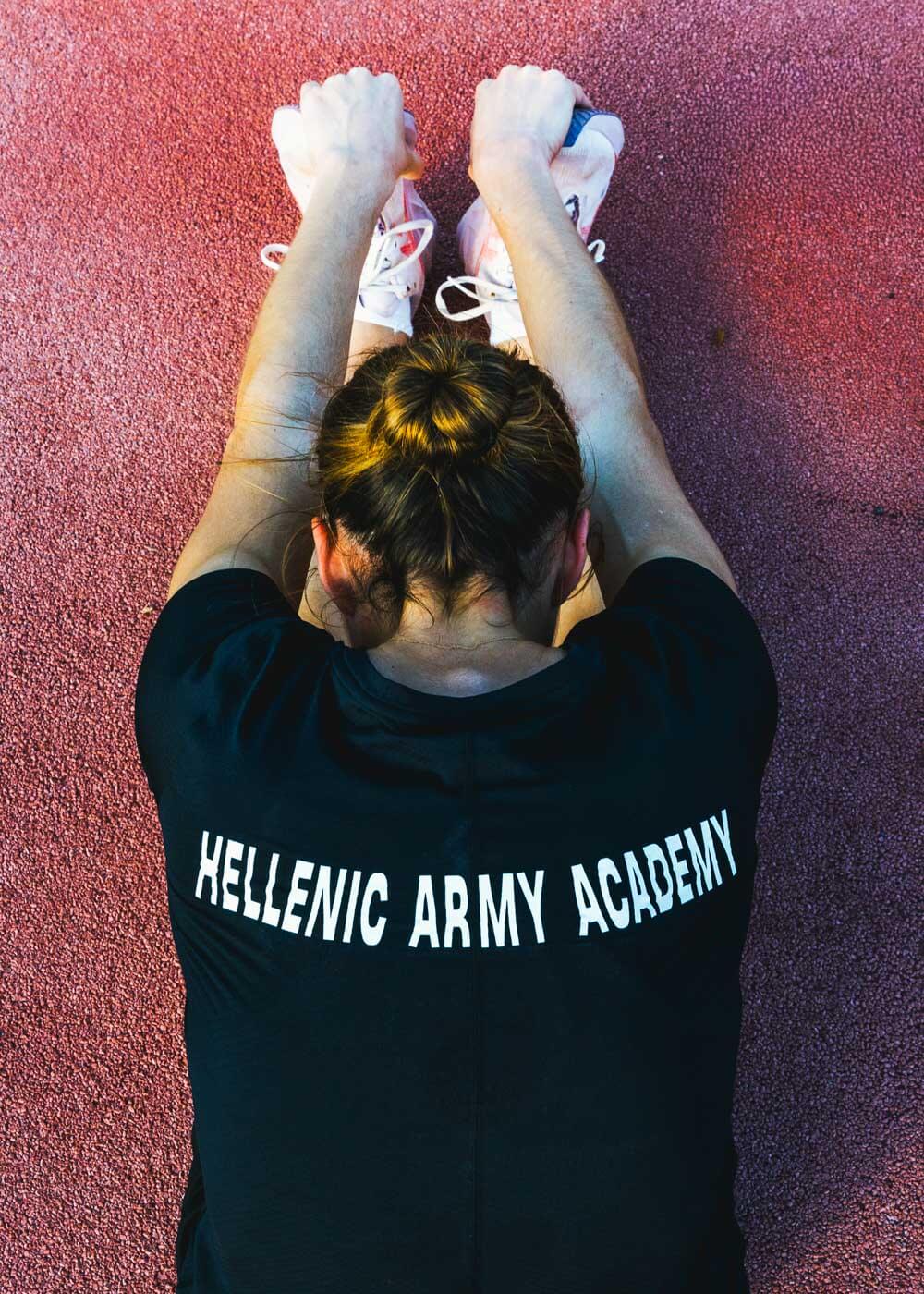
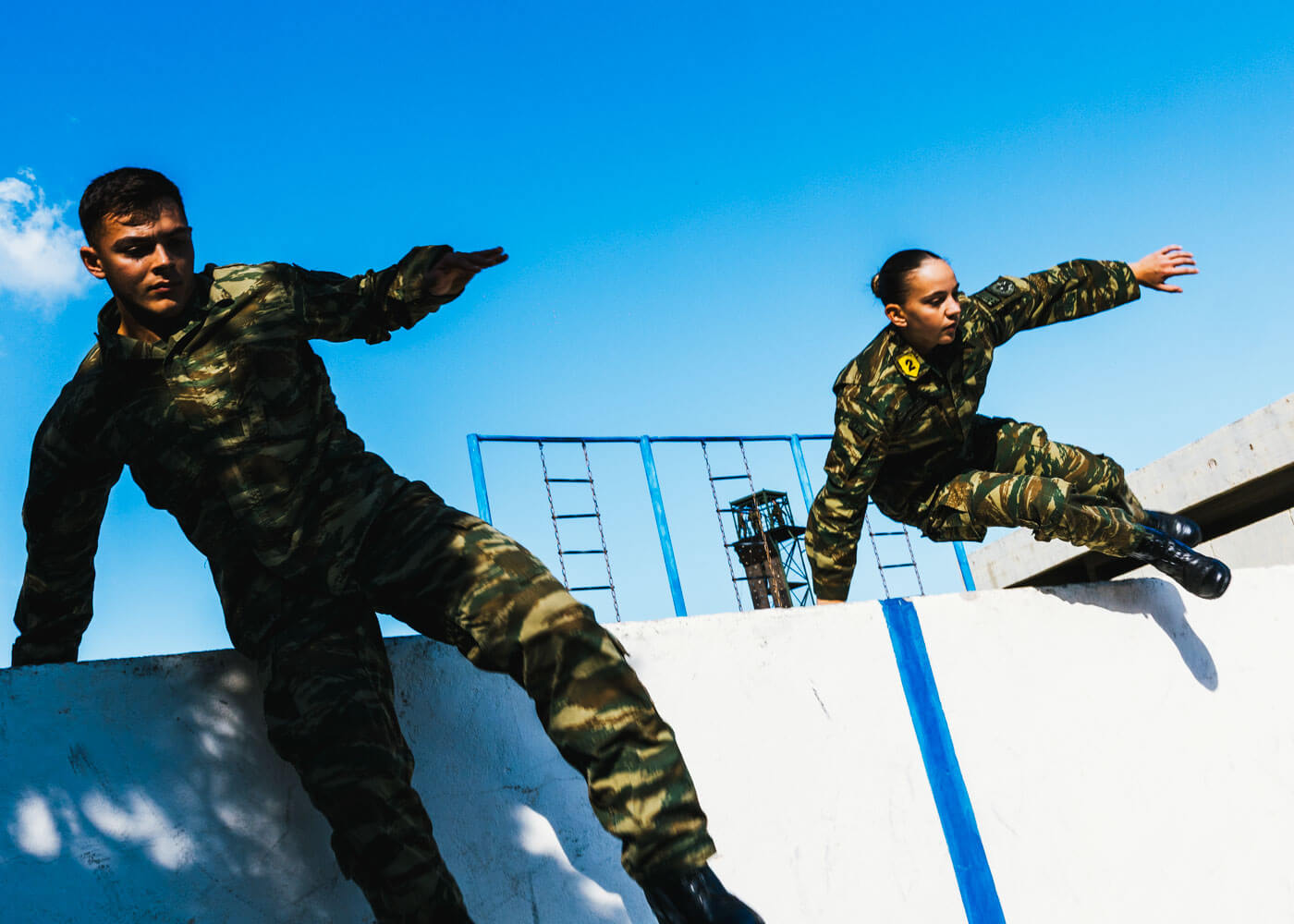
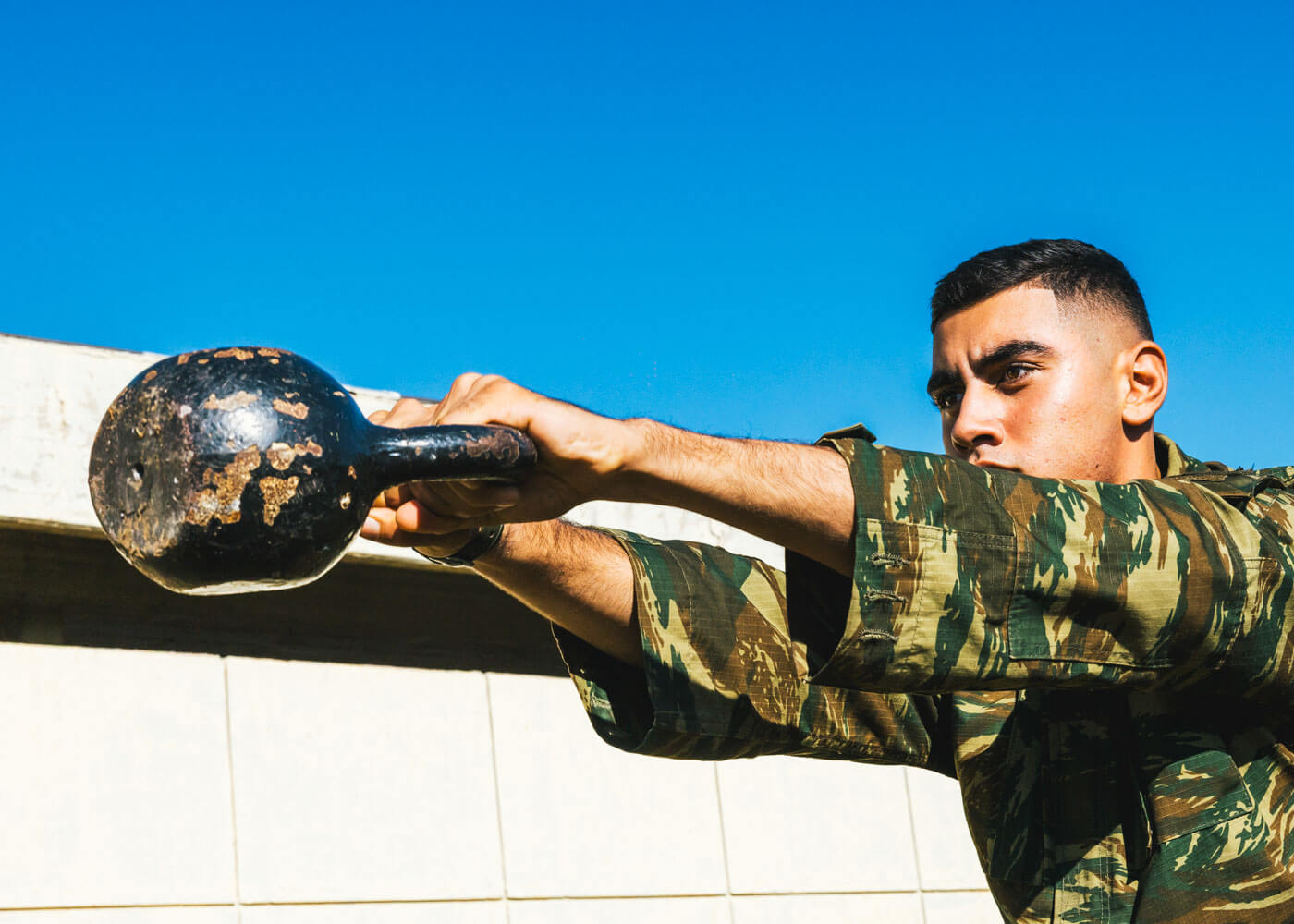
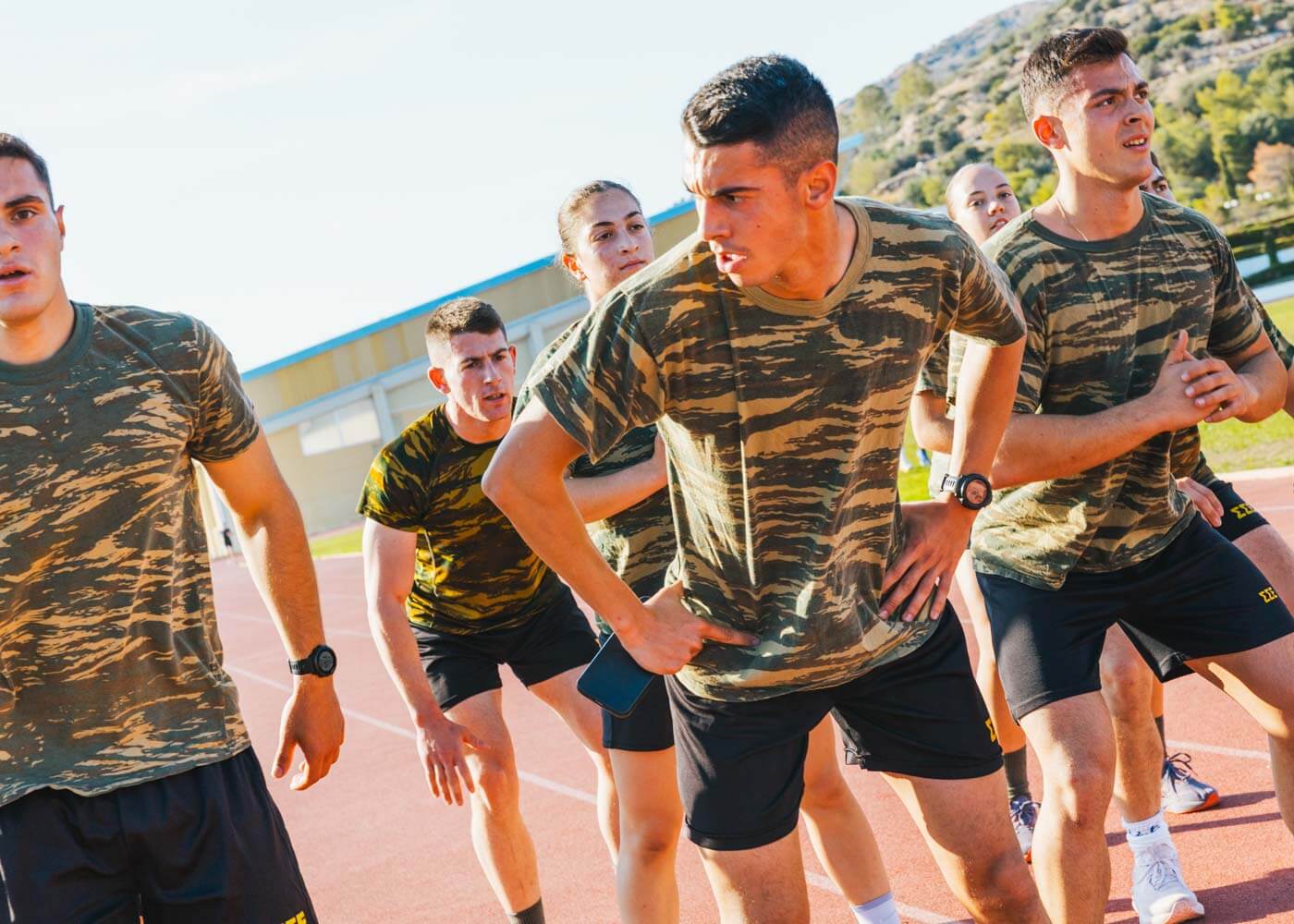
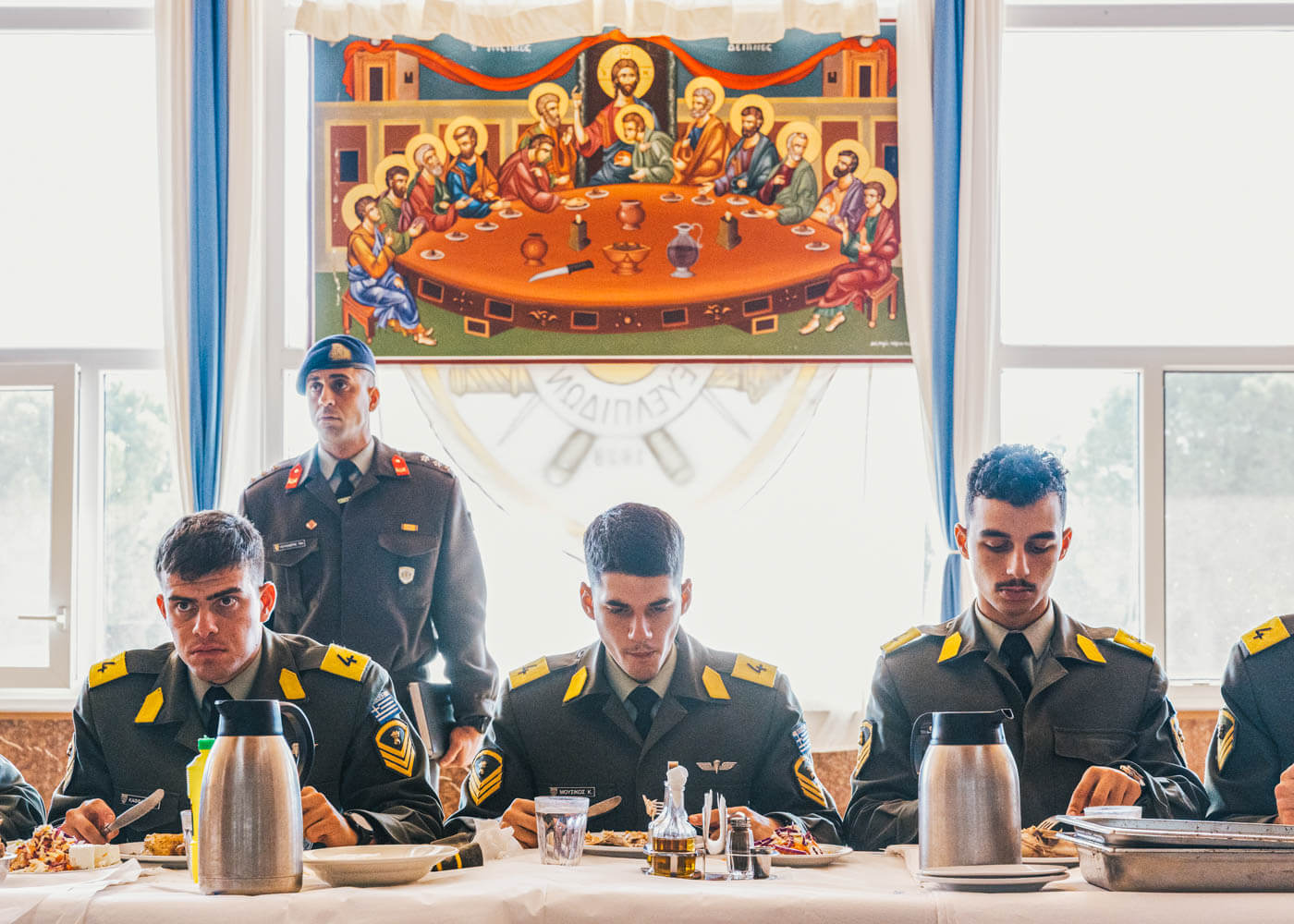
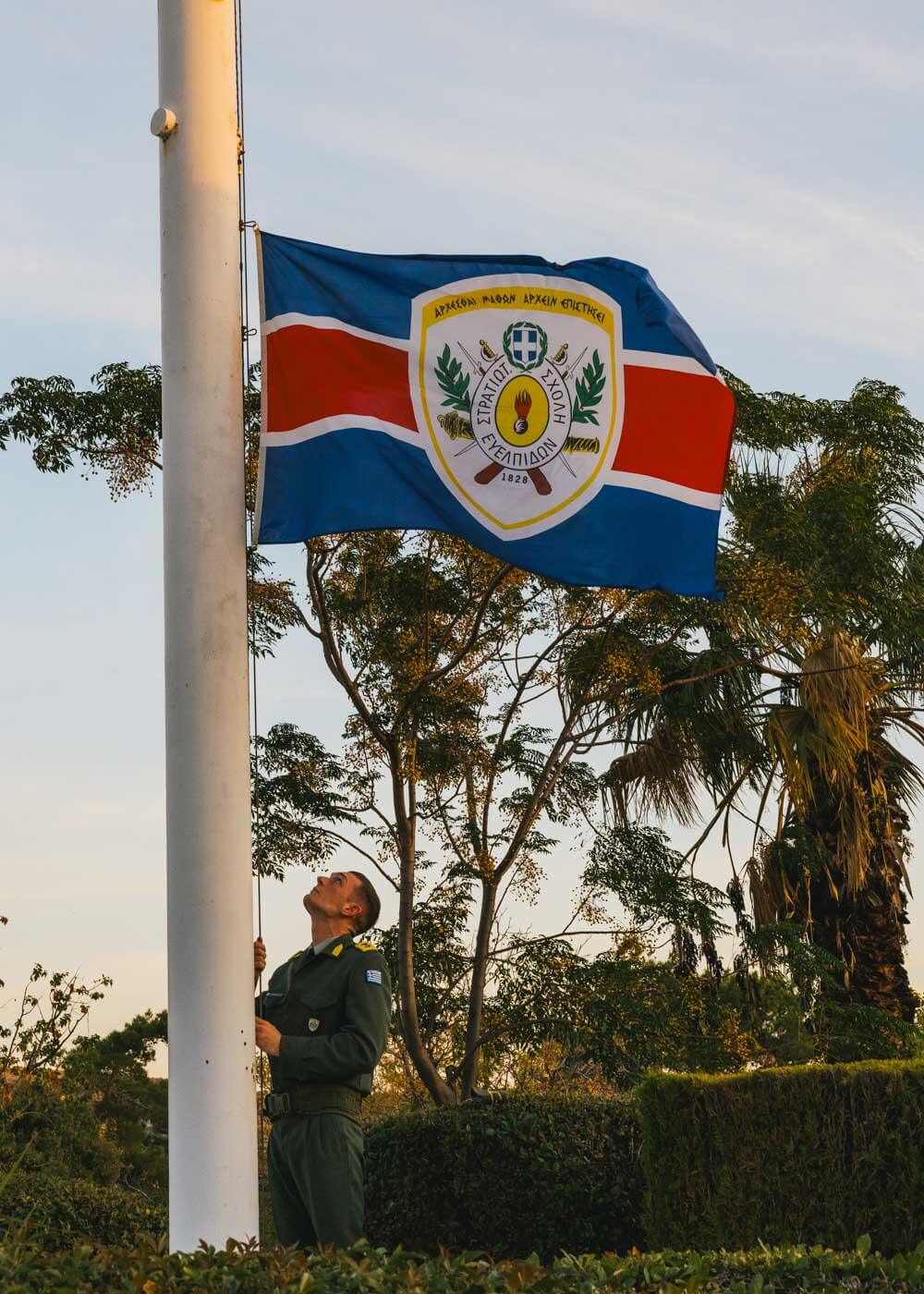
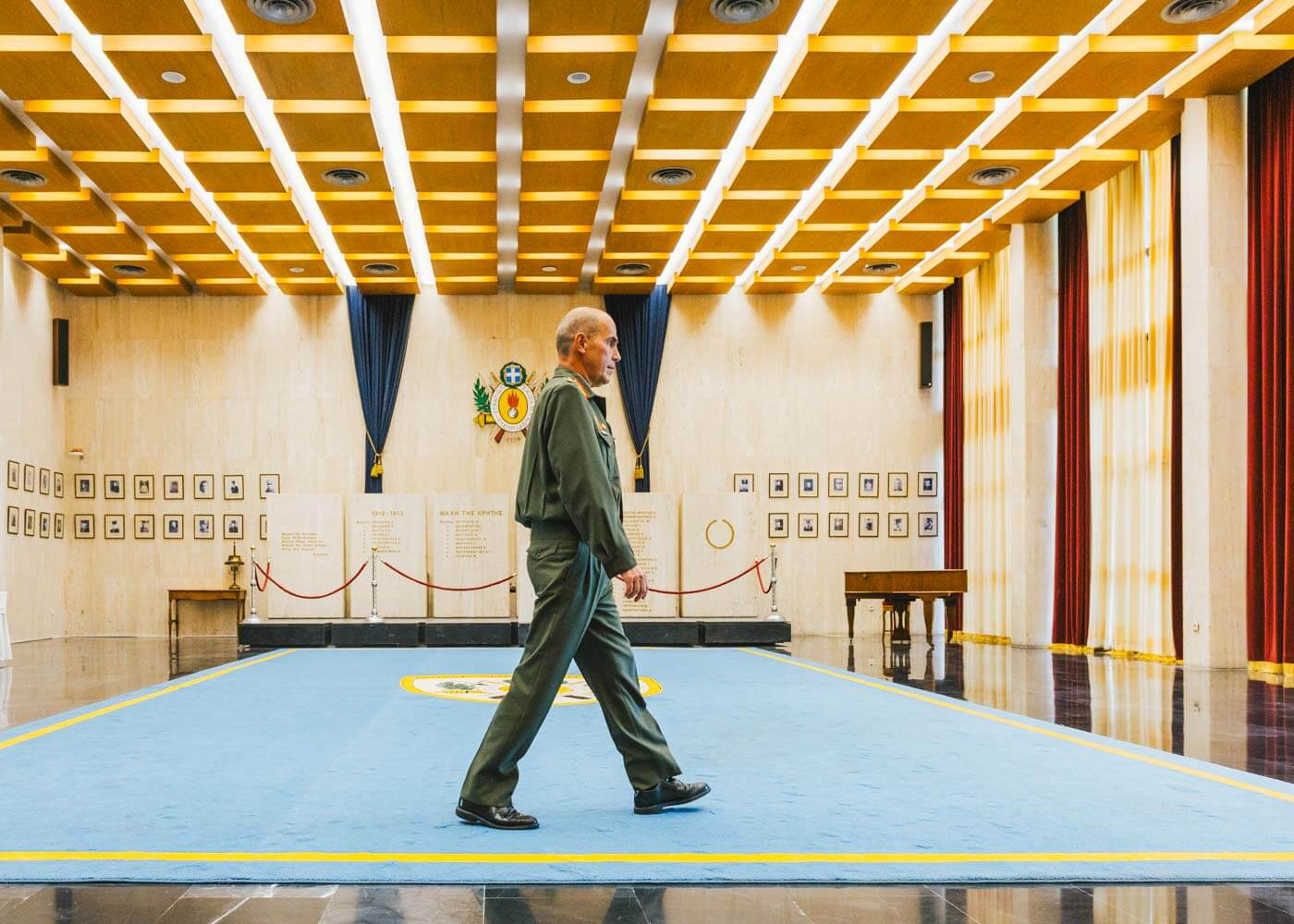
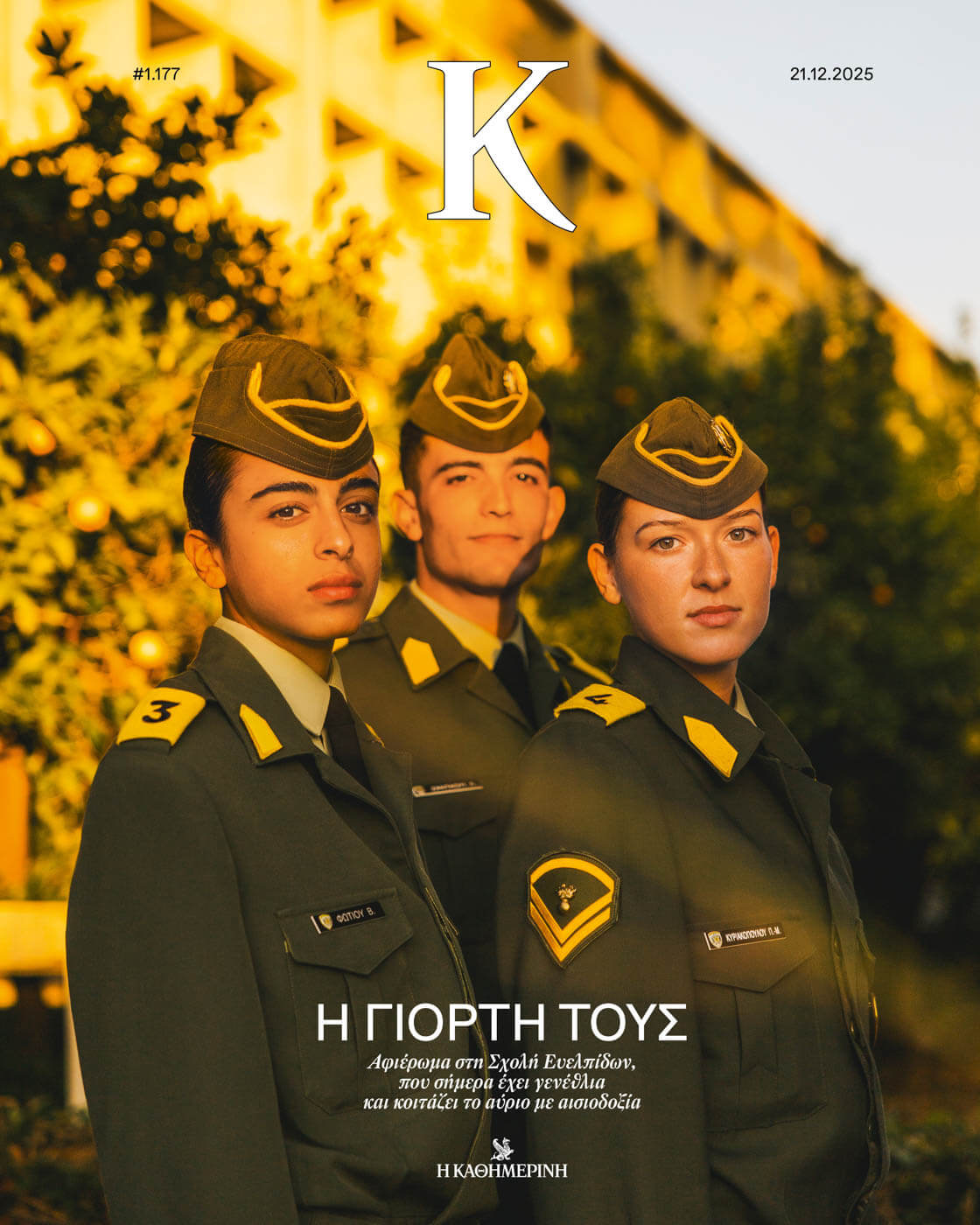
Hellenic Army Academy Evelpidon for Kappa Magazine
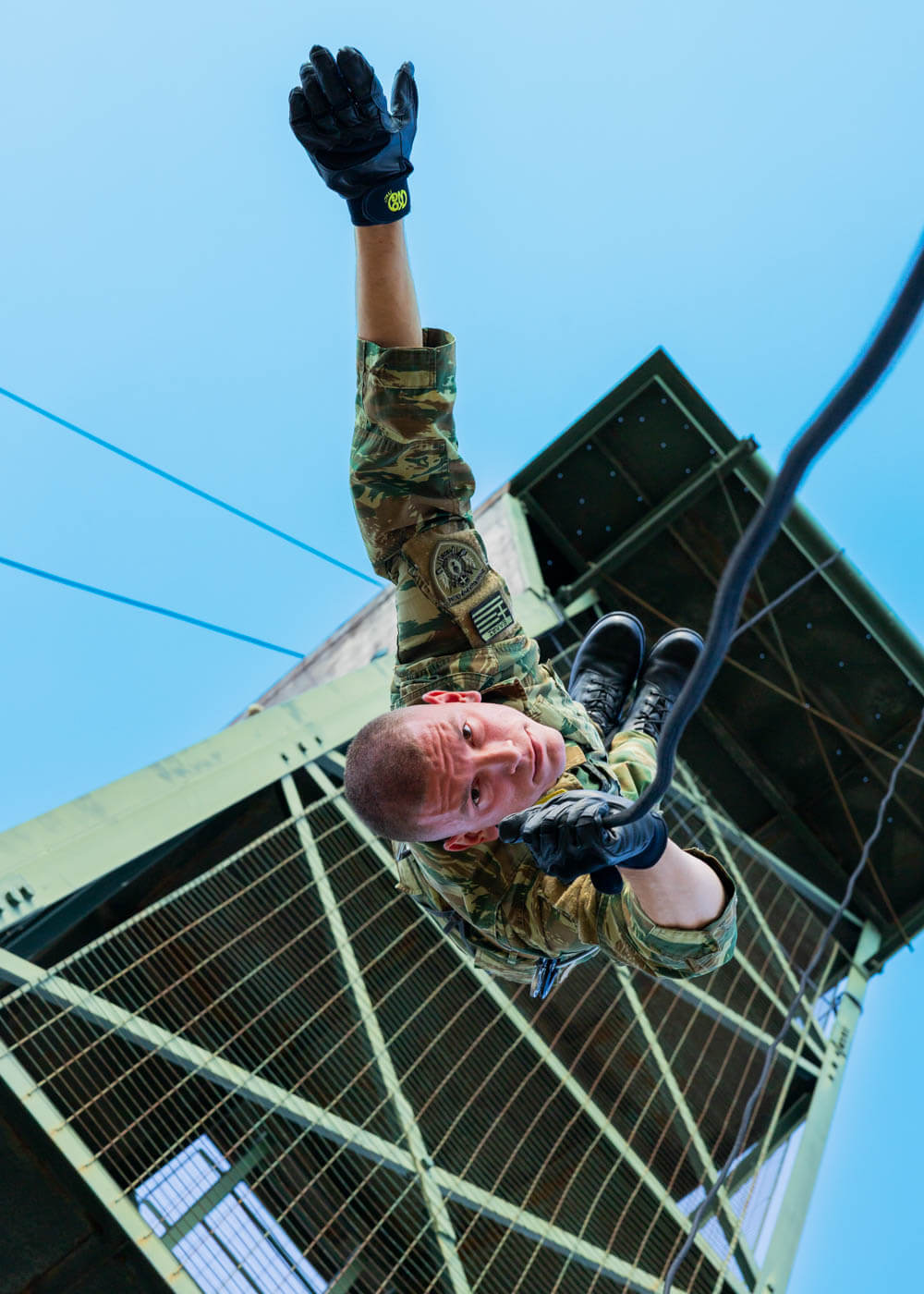
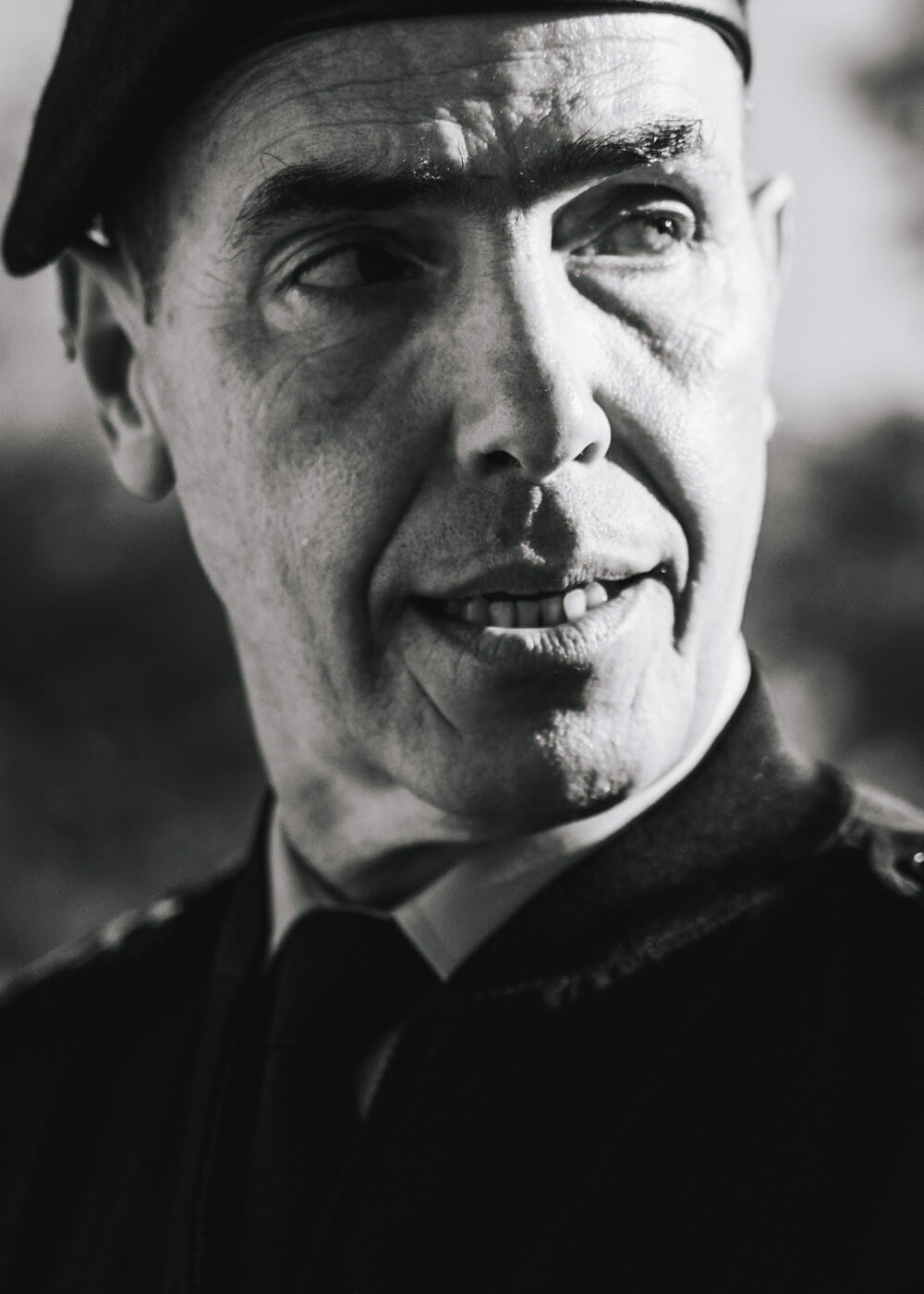
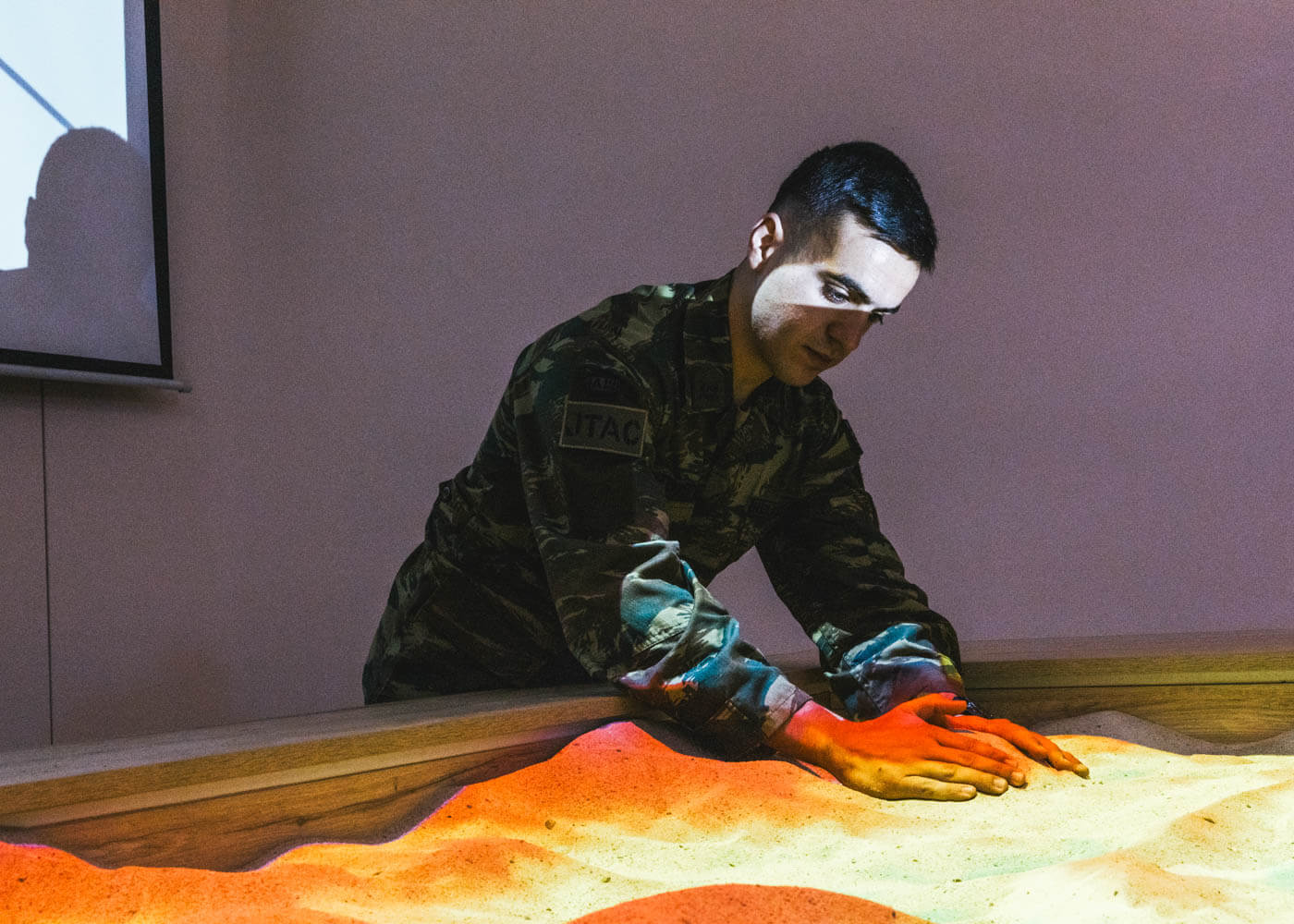
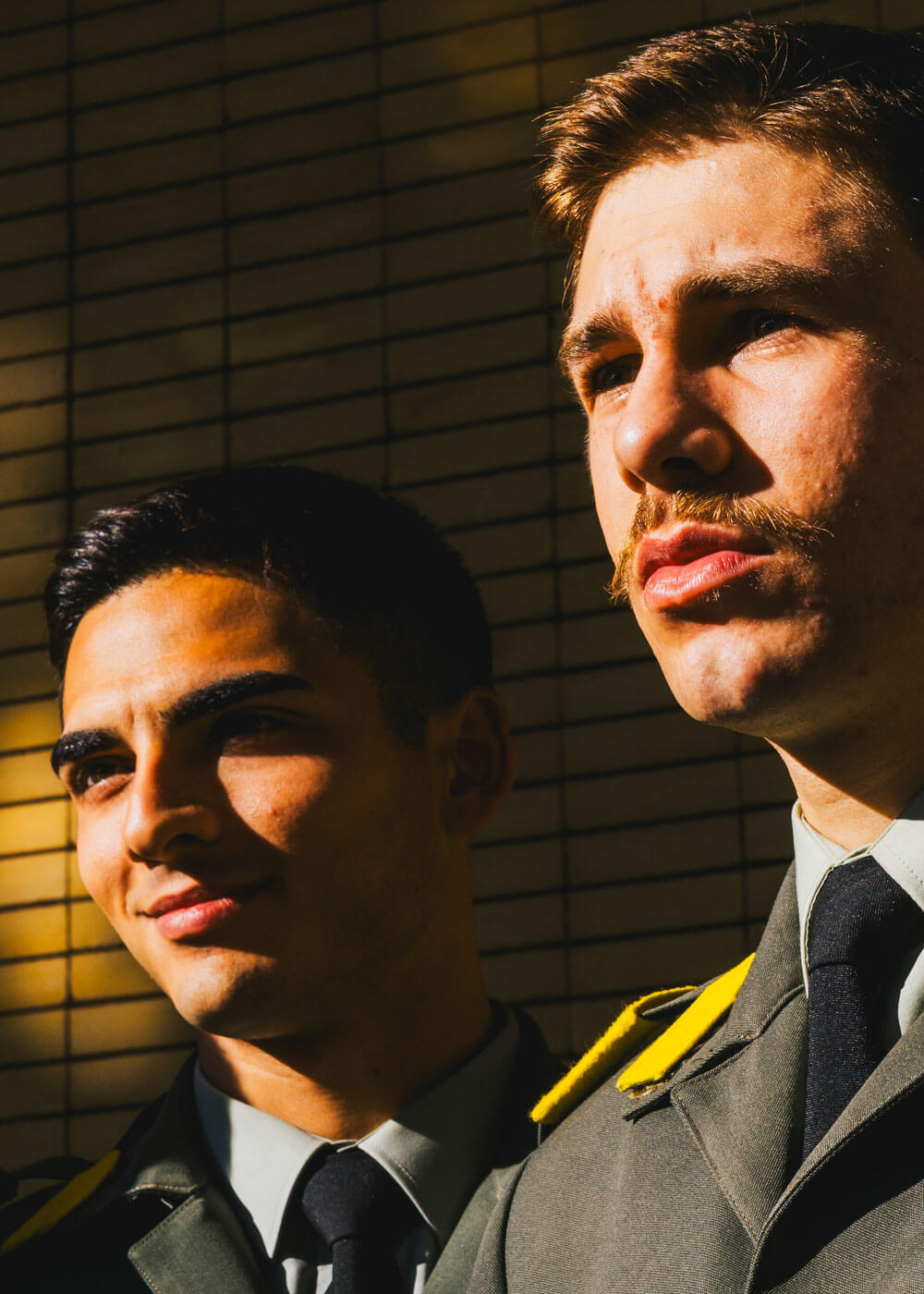
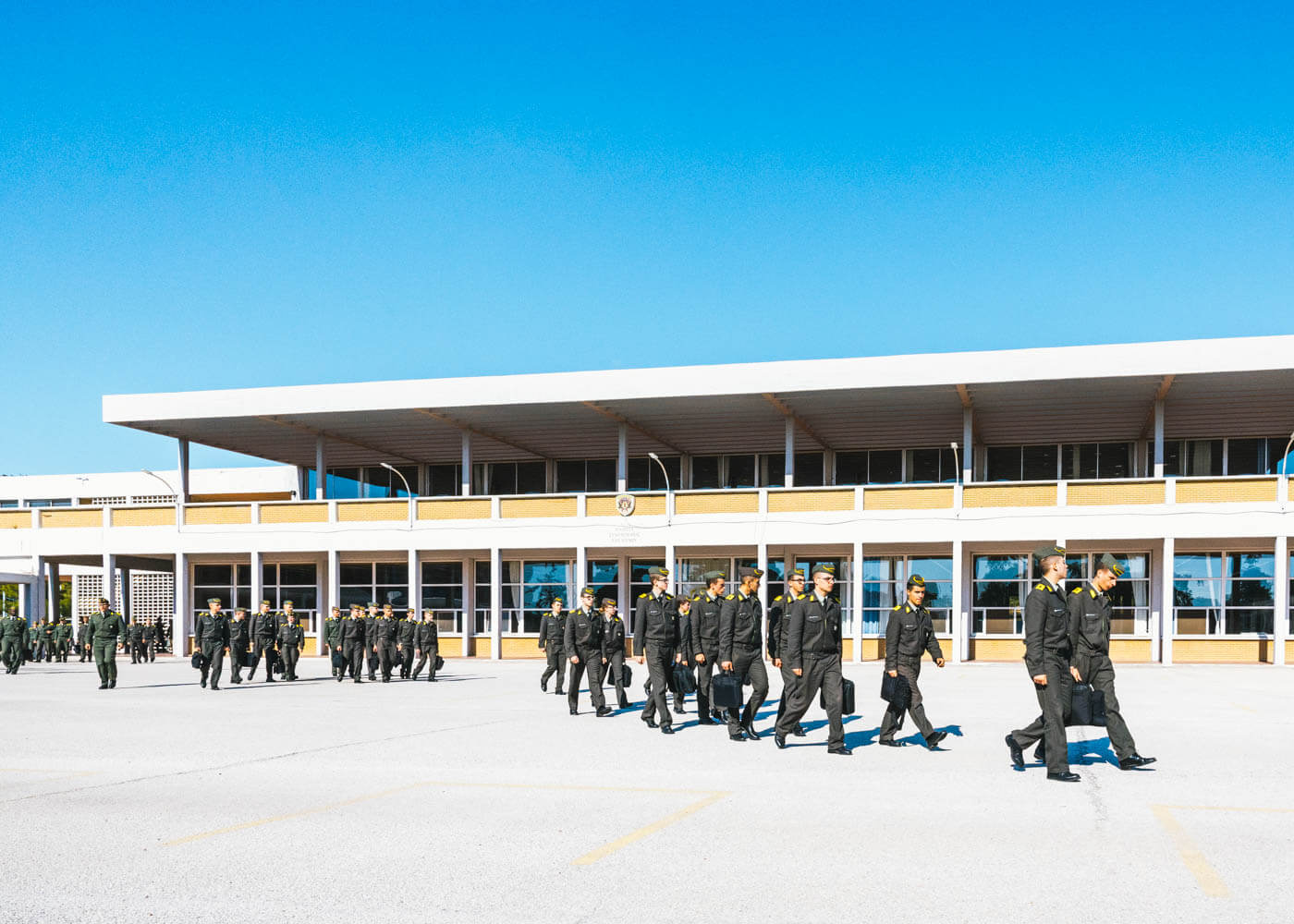
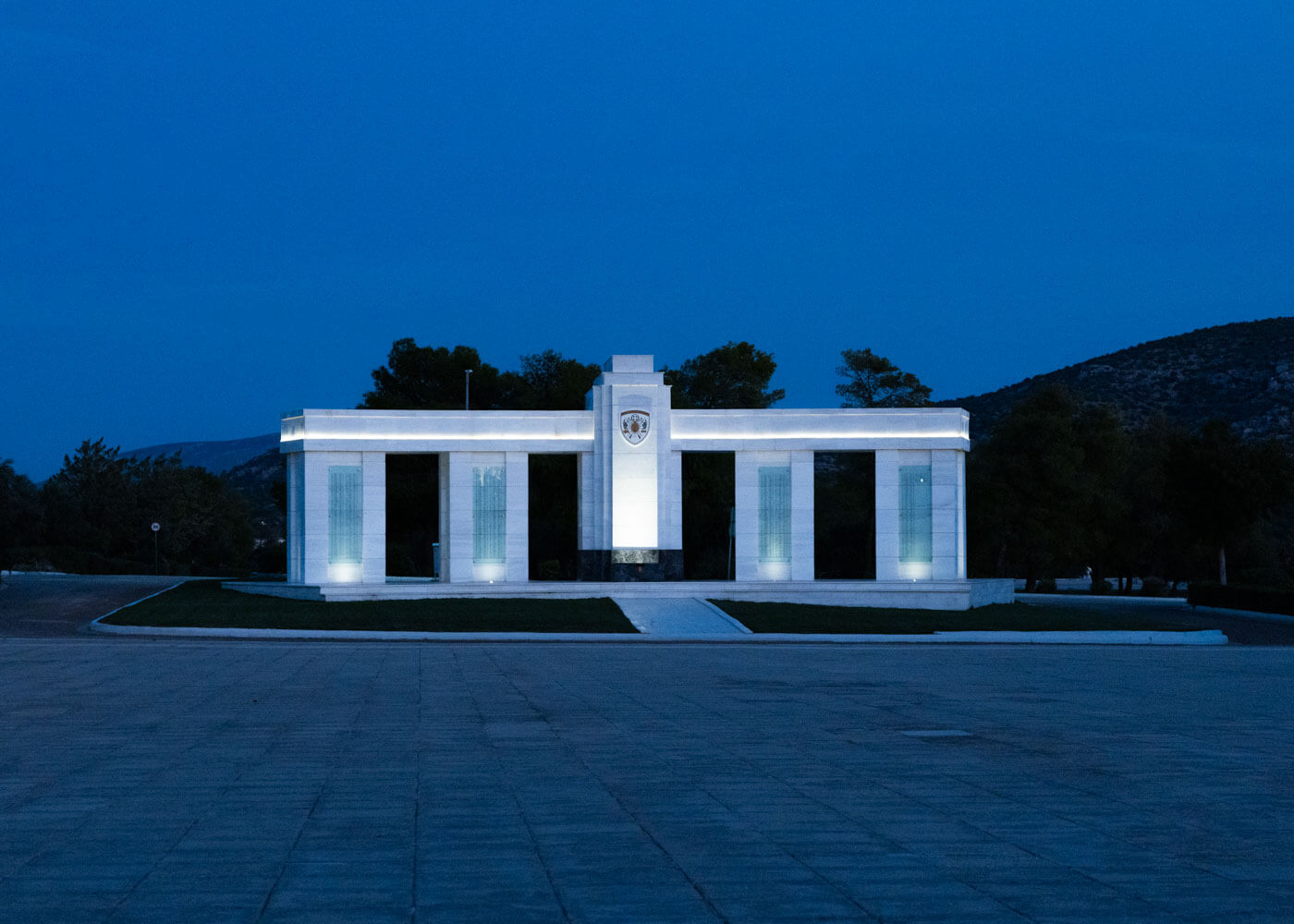
For this documentary photography assignment for the Greek magazine "Kappa" of Kathimerini News, I spent a full day inside the Hellenic Military Academy "Scholi Evelpidon" in Vari, Athens, on the occasion of its anniversary founded on December 21, 1828. The visit offered a rare opportunity to look beyond the institution’s formal image and vissually explore how one of Greece’s oldest military schools is redefining itself for the future.
What becomes clear almost immediately is that today’s Evelpidon is no longer an isolated, inward-looking military environment. According to the Academy’s Commandant, Major General Anastasios Polychronos, openness and international engagement are now central pillars of its philosophy. Cadets participate in international exchange programs, including Erasmus initiatives and visits to European and NATO institutions, allowing them to train alongside peers from abroad and develop a shared professional mindset within a global framework.
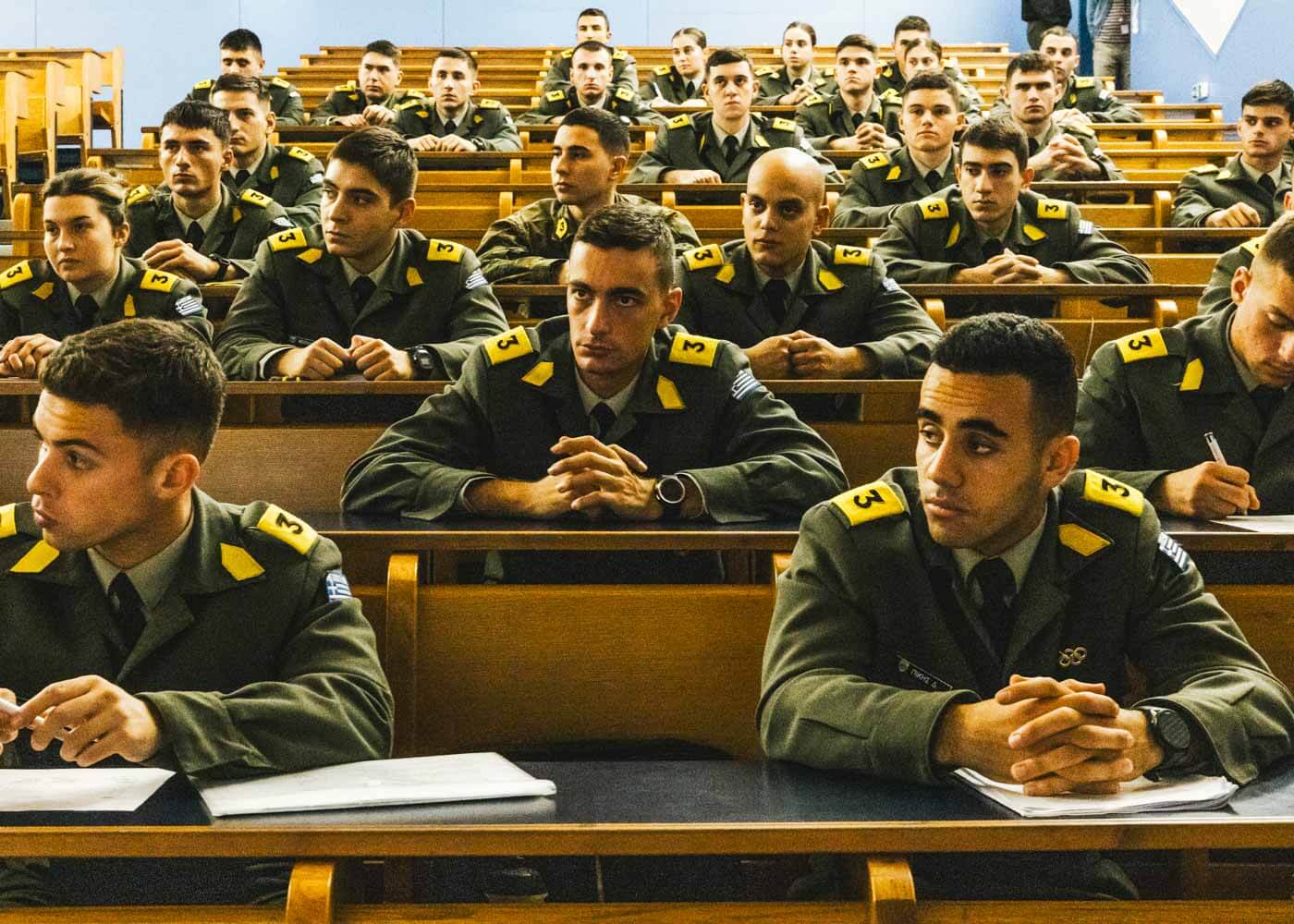
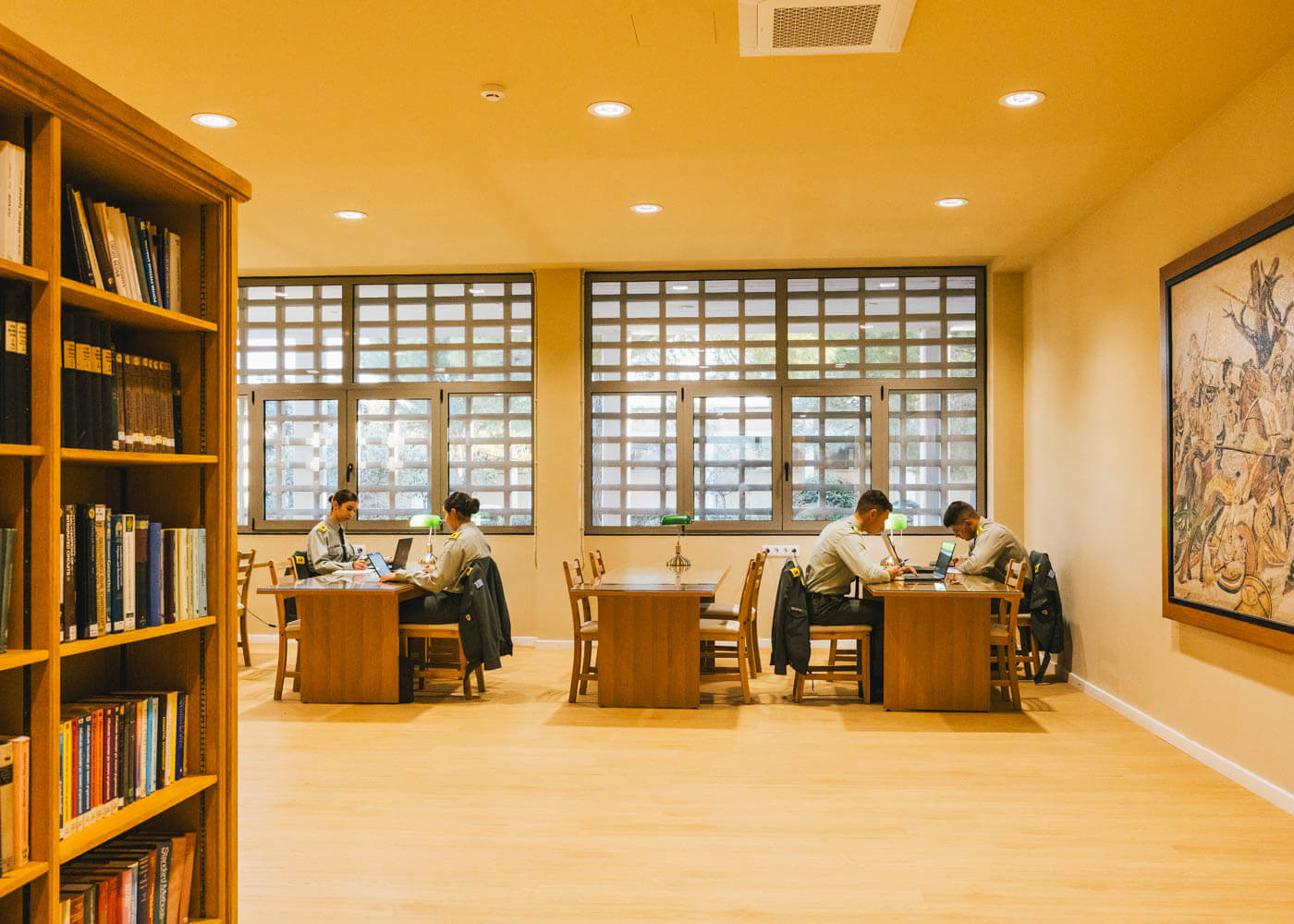
The Academy now operates as both a military and academic institution. Its modern campus—spanning approximately 68,000 square meters—resembles a contemporary university more than a traditional barracks. Lecture halls, laboratories, and research facilities support a demanding curriculum that ranges from humanities and engineering to artificial intelligence and emerging technologies.
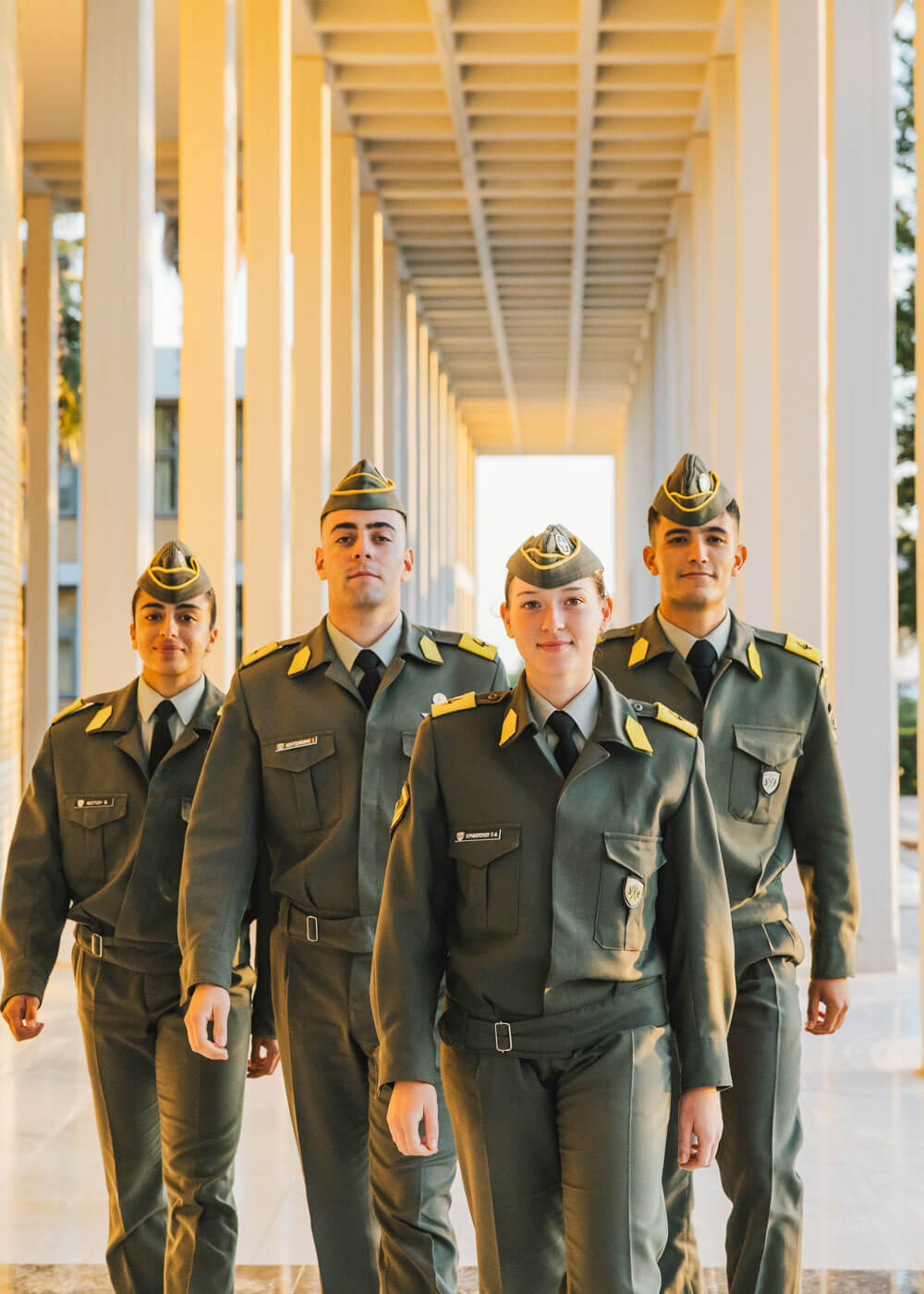
Most of the Cadets that taking the decision to get in to Evelpidon is driven by personal motivation rather than career certainty alone. Some others by their family tradition in military career. Cadets describe the experience transformative, equipping them with skills that extend far beyond military service. Female cadets emphasize that while expectations are high, opportunities are equal, and progress is based on merit rather than gender—reflecting the Academy’s evolving culture.
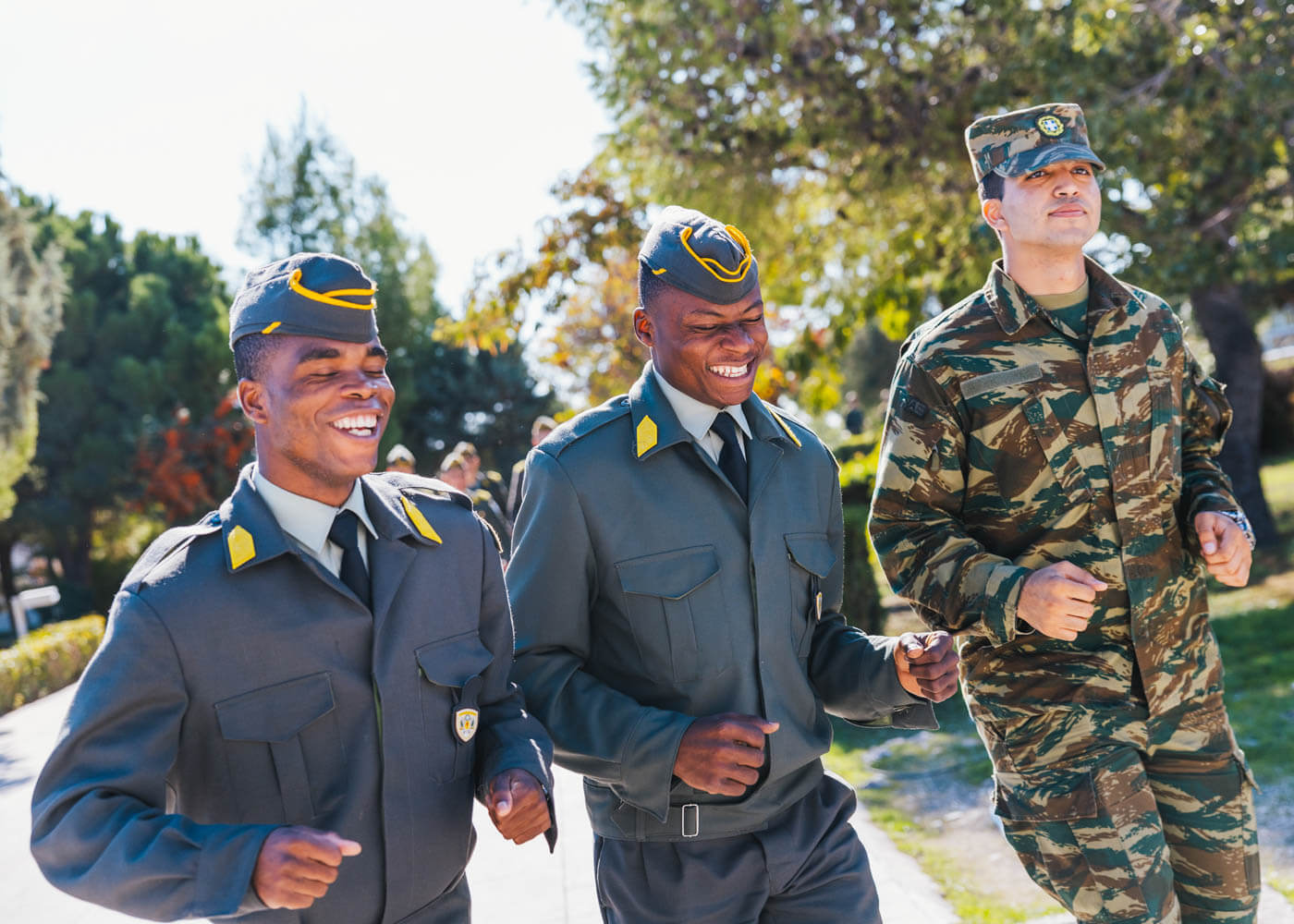
One of the most striking aspects of the Academy today is its multicultural character. Students from Greece and countries such as Armenia, Tunisia, and various African nations train and study together. International cadets highlighting Greece’s history and culture as key reasons they chose Evelpidon. The Academy becomes a meeting point of different backgrounds united by shared discipline and ambition. Physical training remains a core component of daily life. From obstacle courses and climbing exercises to long-distance running. Cadets training has evolved as well. Programs are now designed using scientific methods with personalized exercise routines and nutritional planning tailored to each individual’s needs and performance.
Between history and innovation, national tradition and international outlook, discipline and education. The Hellenic Military Academy stands as an institution that honors its past while actively shaping the officers of tomorrow.
A summary from the original article and cover story printed and published in 21 Dec 2025 written by George Robollas.

Maximilian Riedel for Oinochoos
It’s not every day that you get to photograph a visionary whose family name has become synonymous with wine culture. In my lenses is Max Riedel, CEO of RIEDEL—the legendary Austrian glassware company, a moment where tradition, innovation, and personality meet in a frame.
The assignment was for Oinochoos, the wine magazine of Kathimerini. The interview focused on Max Riedel's philosophy and what defines success in a competitive industry. His quote—"Success is defined by how many people copy you"—became a striking centerpiece, and I wanted the portraits to match that level of clarity and confidence.
The portrait photoshoot took place in Athens, in a setting that reflected both Riedel's precision and his charismatic presence. I focused on creating portraits that balanced formality with a sense of spontaneity. The light was sculpted to echo the transparency and finesse of the glassware his family is famous for. Subtle reflections and quiet contrasts helped build a visual rhythm, echoing the elegance that RIEDEL brings to wine tasting.
The words of the interview are written by the chief editor Nena Dimitriou.


Will Dubai save the pistachio trees?
Two weeks ago, I was invited to photograph a feature story for Kathimerini that touched me deeply—not just as a photographer, but as someone who has spent years working with Greek landscapes and specially in Aegina Island which is my homeland.
Written by Alexia Kalaitzi, the article explores a question: “Will Dubai save Aegina’s pistachios?”
“Getting off the ship at the port of Aegina, one of the first images you see is the queues of visitors forming in front of the kiosks selling the famous Aegina pistachios. The frenzy with Dubai chocolate – a chocolate bar with a filling made of kadayif/kataifi and pistachio – has not left the Saronic island, which has given its name to the most famous variety of pistachio in Greece, unaffected.”
“You have to love the pistachio tree, the other person will not love them as much as you do. He will not be as interested,” said Eleni Kypraiou. The 88-year-old moved permanently to Aegina in 2006, just after completing her career in journalism, and since then she has been dedicated and passionate about her pistachio estate”. I photographed in one of the most emotional moments of the assignment—arms wrapped around a tree she’s tended for decades.” said grower Eleni Kypraiou, who I photographed in one of the most emotional moments of the assignment—arms wrapped around a tree she’s tended for decades.
Nikos Kounadis, supervisor of the Aegina Agricultural Cooperative of Pistachio Producers, was in an empty cold storage room when he told me, “We have nothing left for this year.” He explained that milder winters in recent years—with decreased rainfall and fewer cold days, but more warm and sunny days—have caused the buds of the trees to fall prematurely.
“However, climatic conditions are not the only issue,” said Kostas Peppas, president of the cooperative. He shared that it has been years since a new pistachio tree was planted on the island. “In Aegina, pistachio trees no longer grow – houses do,” the 81-year-old noted, adding that not only is there no longer any room to plant new trees, but existing ones are also being uprooted to build holiday homes, many of which are rented out as Airbnbs.
According to the cooperative’s estimate, since 1980—when the last assessment was made—approximately 30,000 trees have been lost, corresponding to 247 acres of land.
In one of the last images from the story, a building’s concrete frame rises from within a pistachio grove. Construction driven by tourism has led to a significant decline in pistachio trees on Aegina.


Johanna Korantzopoulou Goyal
Johanna Korantzopoulou Goyal is a yoga teacher whose practice embodies the perfect balance of strength, grace and inner power. Through this photography series of yoga portraits, my artistic goal was to go beyond documenting physical poses — I wanted to visually express the quiet force, resilience and feminine energy that define Johanna’s presence on and off the mat.
I believe that that yoga photography must capture not just movement, but emotion. Johanna moved with a seamless flow, demonstrating how each posture is not merely a shape, but a living expression of breath, intention and self-awareness. With each image, I sought to translate the subtle connection between body, mind and spirit into an artistic narrative that celebrates the transformative power of yoga.
A central element of this project was highlighting female power in yoga — the way feminine strength expresses itself through both softness and intensity, through vulnerability and discipline. Johanna’s energy in front of the camera is magnetic: strong yet fluid and confident. This duality is something I strive to bring out in all this yoga photography work, crafting portraits that honour not only physical form but also personal journey and inner resilience.
The setting we chose was intentionally minimal, allowing nature, morning light and movement to shape the atmosphere. Every detail, from the gesture of the hand to the curve of the spine was composed to reflect the discipline and beauty inherent in yoga practice. As a photographer, I am always drawn to projects where I can merge technical precision with emotional depth.


Maria Papadopoulou
This photoshoot with Maria Papadopoulou took place at the modern offices of Ant1 Group in Athens. The project was created for ACCA’s AB Magazine, accompanying an inspiring feature about women in business and leadership. Maria Papadopoulou’s story, published under the title Leaning In, highlights her role in the media and finance world, and the valuable perspective she brings to both fields.
Authentic and professional portraits of a woman in her natural working environment. The Ant1 Group offices offered a bright and structured backdrop that reflected both modern business culture and the personal strength of the subject. Through careful use of natural light and thoughtful composition, the portraits aimed to balance a sense of authority with a human, approachable tone — the same balance that defines women leaders like Maria.
Photographing women in business roles is always an opportunity to create portrait photography that moves beyond the surface. In this commercial woman photoshoot, the focus was on Maria’s presence and personality as much as on her professional identity. Every detail — from the background to the lighting and her expression — was chosen to highlight her role as a decision-maker in a competitive and evolving industry.
You can see the full feature article and read more about her professional journey in AB Magazine’s February 2025 issue here.
This woman corporate photoshoot was designed to capture not only the face of modern leadership but also the essence of women shaping the future of business.


